
Last updated November 23, 2026
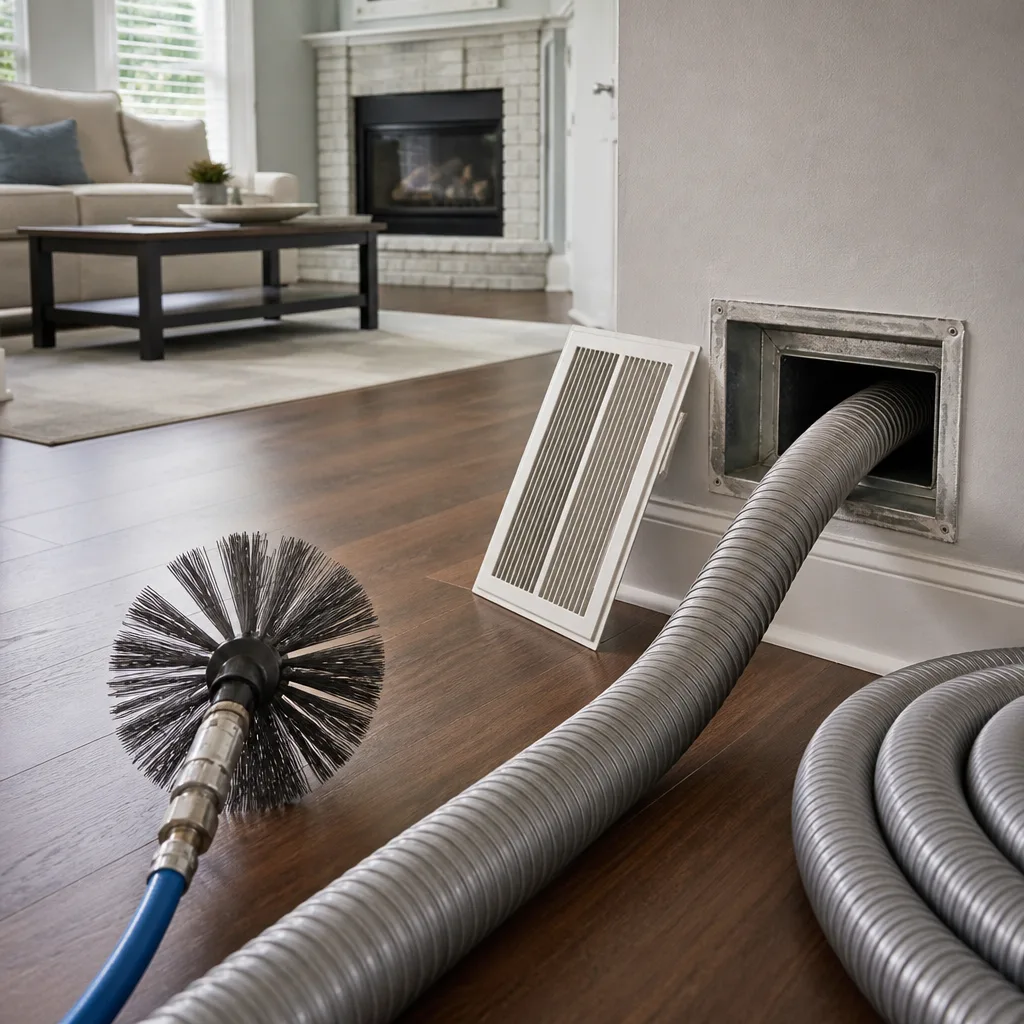 Whole-home duct cleaning
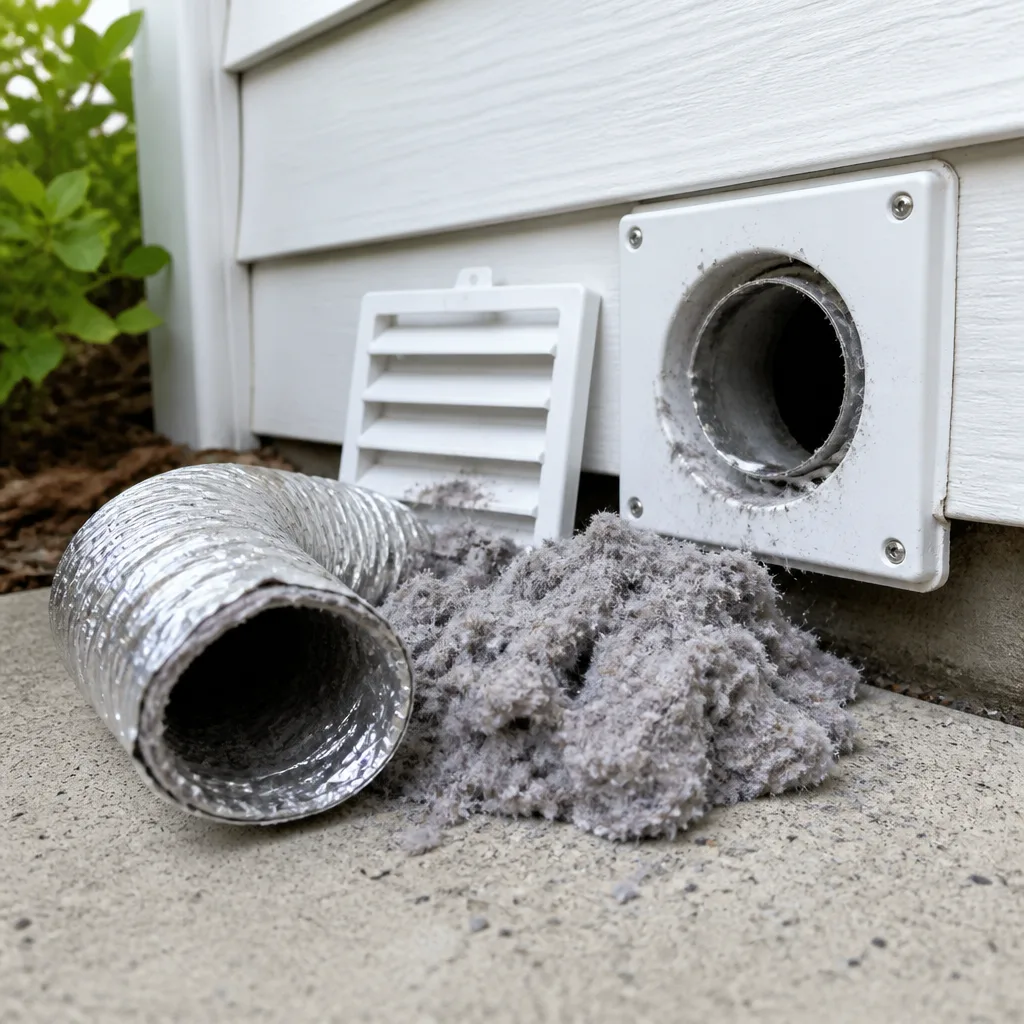 Dryer vent cleaning
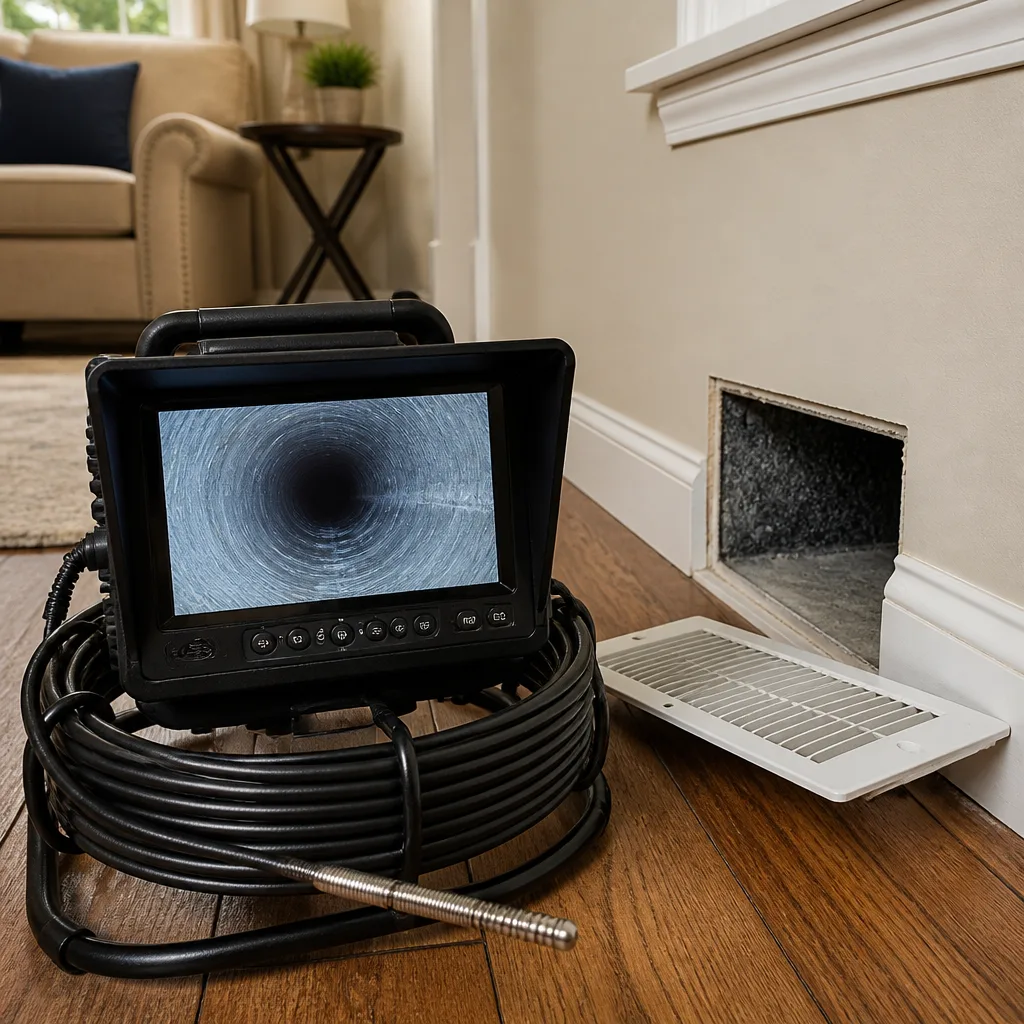 Camera inspection
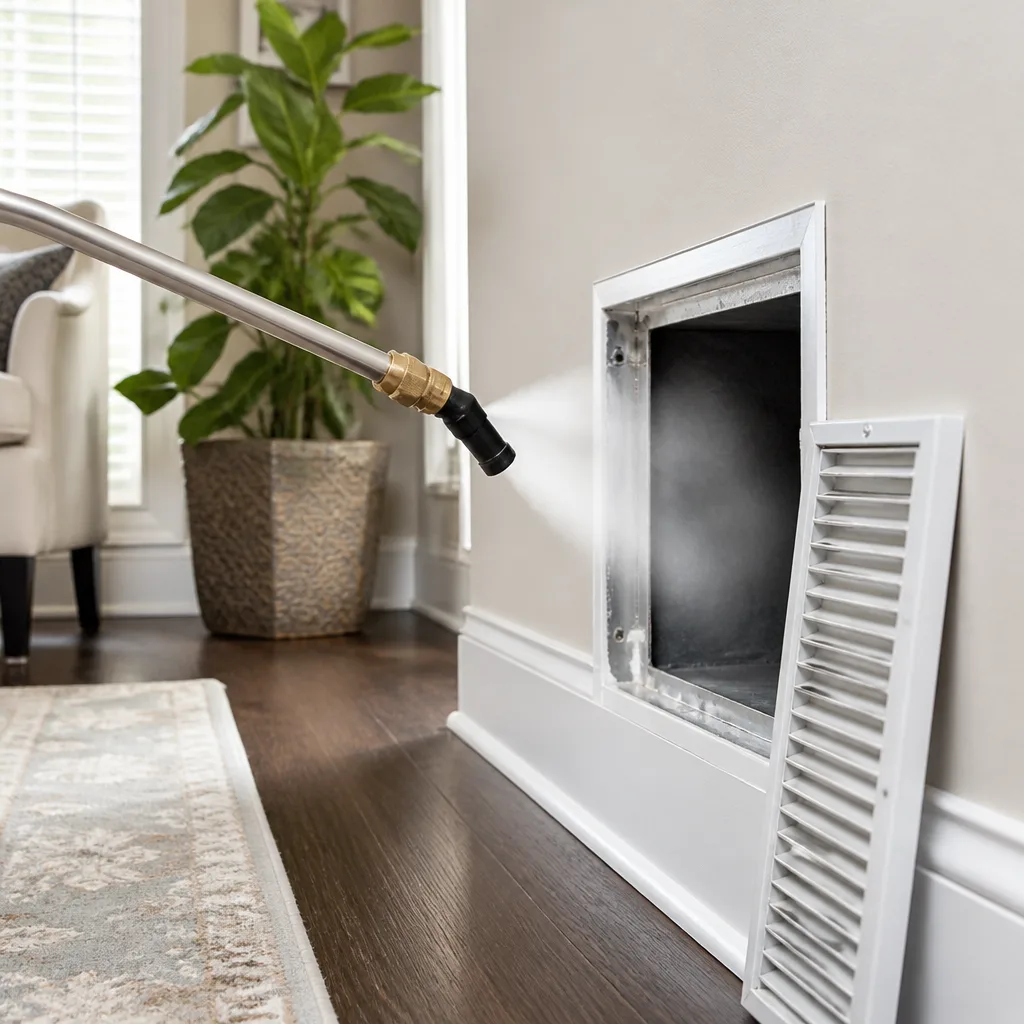 Sanitizing & deodorizing
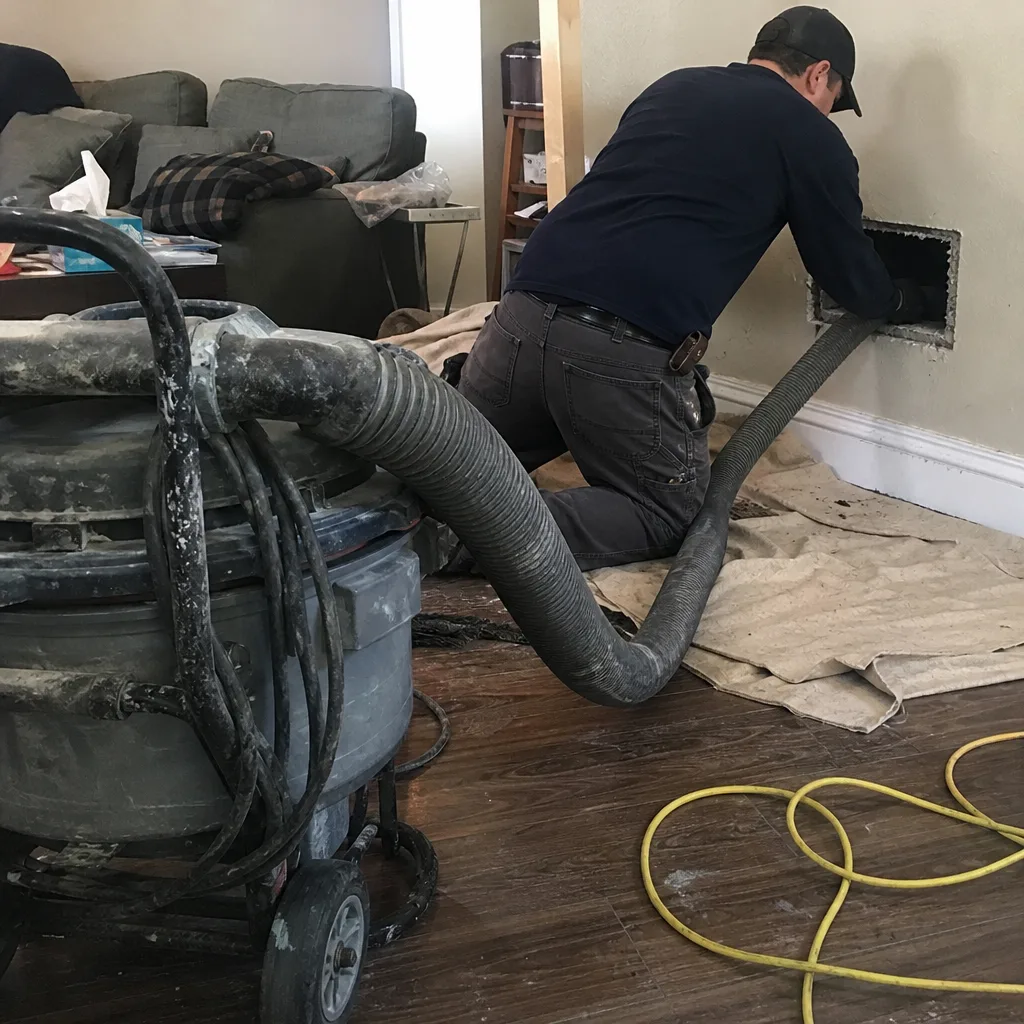
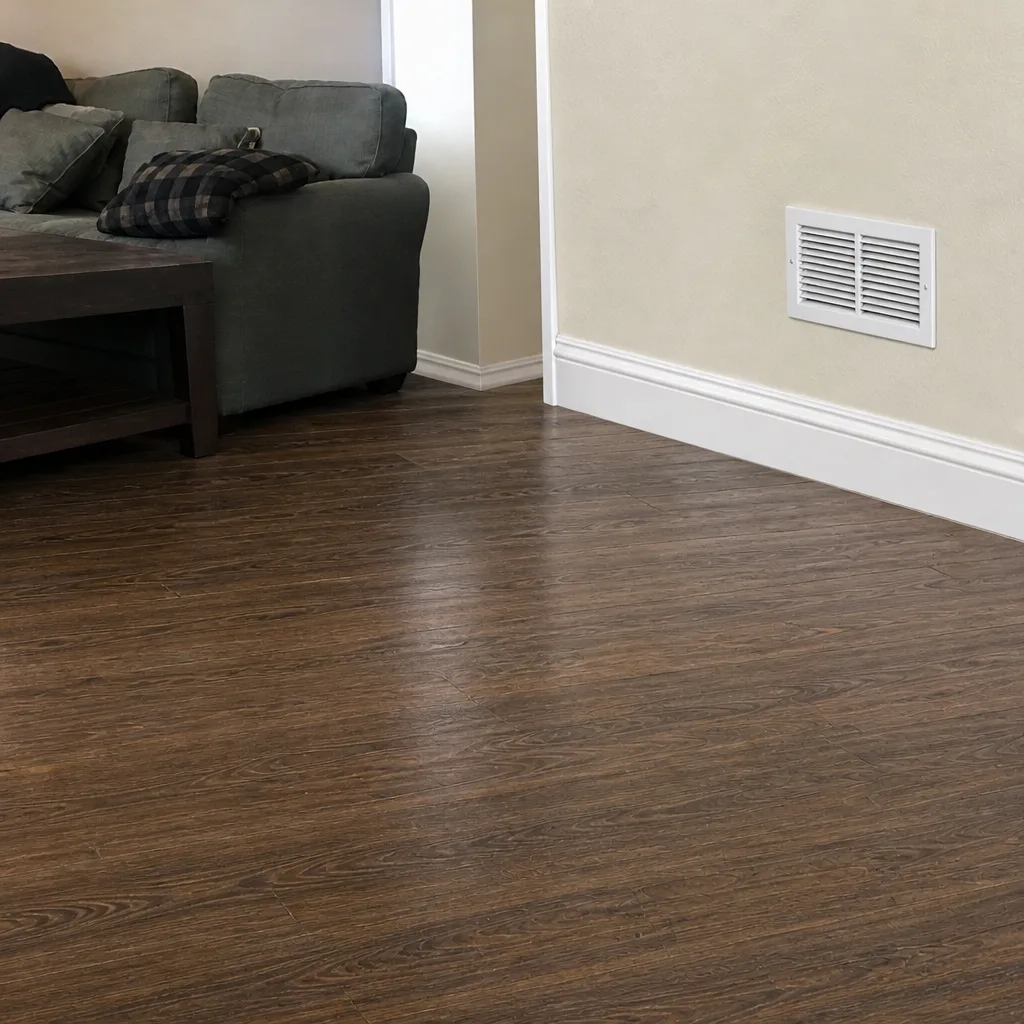
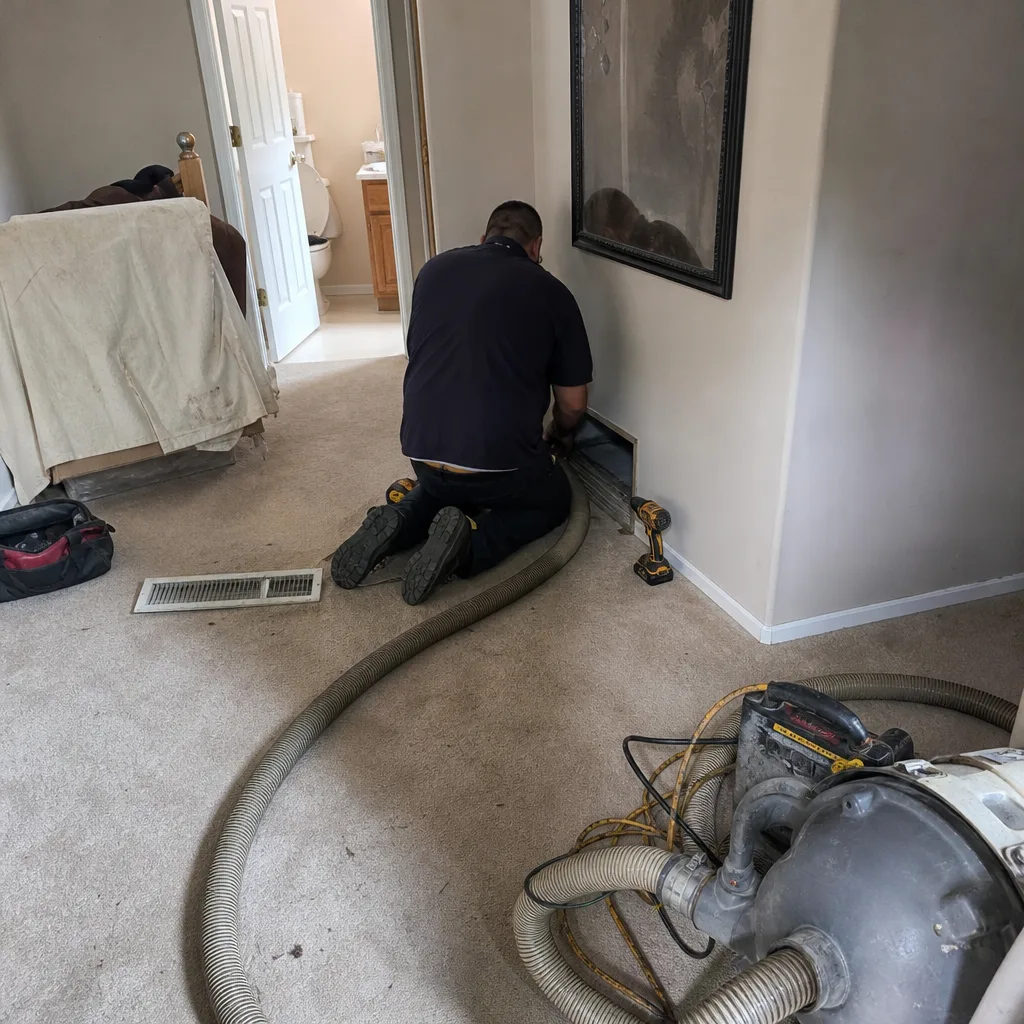
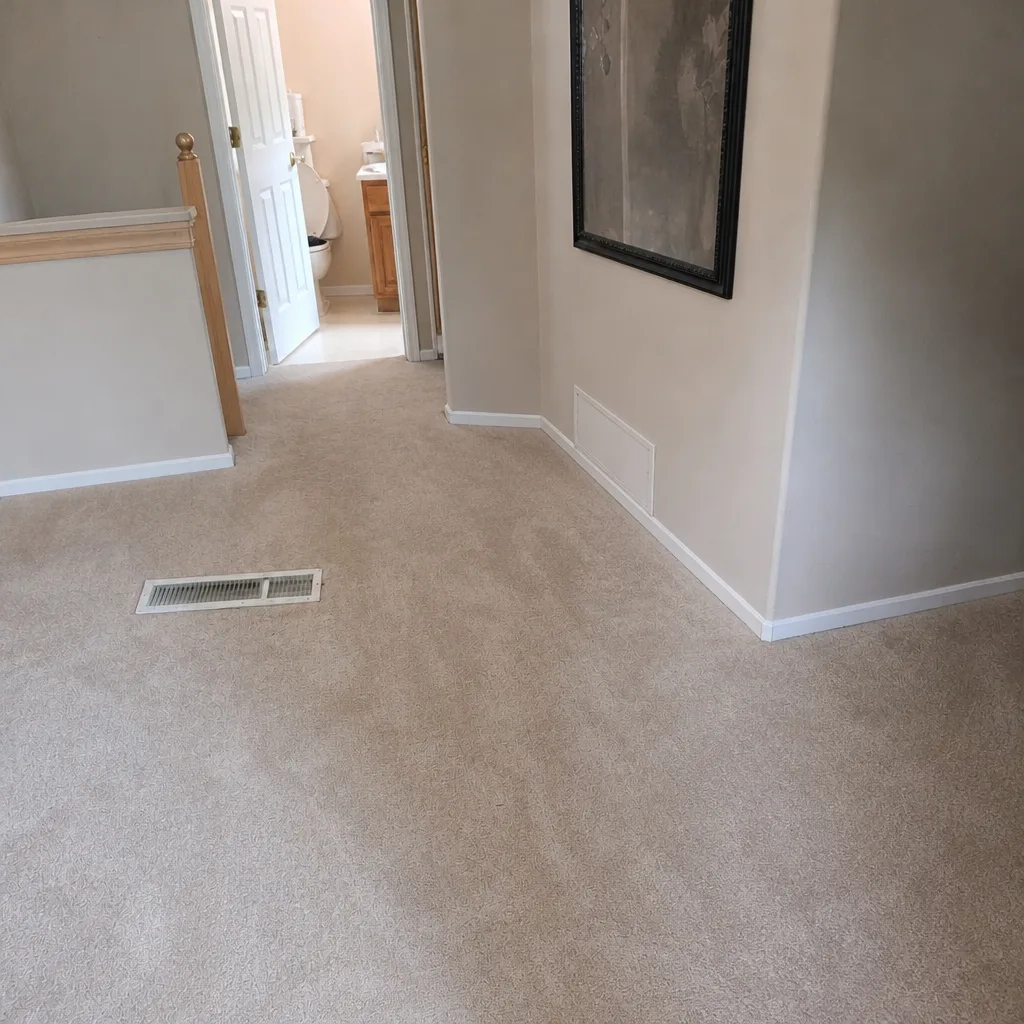
Whole-system duct and dryer vent check with before-and-after photos - you see exactly what came out of your vents
That "$99 whole-house special" is a bait ad - the real number appears once they are in your hallway, or the "clean" is a shop-vac at the register. We photograph the inside of your ducts before and after instead.
Air Duct Cleaning Cost Breakdown: The Centennial Homeowner’s Reference for 2026
A $99 whole-home duct cleaning quote and a $650 quote can both be fair, because they’re often describing completely different jobs with completely different equipment. That five-fold spread in Centennial isn’t profit margin dressed up as service. It’s scope and machinery. One price might cover a quick compressed-air pass through the main trunk lines. The other might cover contact cleaning of every branch, HEPA extraction, sanitizing, and a sealed system when it’s done. This guide decodes each line item so you can compare quotes on what’s actually delivered, calculate a rough cost-per-vent benchmark, and spot the outliers on both ends. We’ll walk through what Centennial’s housing stock does to pricing, what belongs in a base price versus what’s a legitimate add-on, and where the real return on duct cleaning shows up during our long heating season.
Quick Answer
Air duct cleaning in Centennial typically runs $350 to $650 for a standard single-family home, with larger two-story homes and homes with multiple HVAC zones landing between $550 and $900. The final price depends on the number of vents and returns, system accessibility, the level of contamination, and whether you add dryer vent cleaning, sanitizing, or duct sealing. A written per-job estimate should set the final number before any work begins.
Styles & brands we work with
- Whole-home duct cleaning
- Dryer vent cleaning
- Camera inspection
- Sanitizing & deodorizing
Table of Contents
- What Drives Air Duct Cleaning Cost in Centennial?
- How Centennial’s Housing Stock Shapes the Price
- What’s in a Base Price and What’s a Legitimate Add-On
- Why Equipment Drives the Price Gap
- The Cost-Per-Vent Benchmark
- The ROI Question: Duct Cleaning and HVAC Efficiency
- How to Compare Two Quotes Line by Line
- What to Look For in a Centennial Duct Cleaning Company
What Drives Air Duct Cleaning Cost in Centennial?
The price of air duct cleaning in Centennial is set by five moving parts: system size, contamination level, accessibility, equipment class, and add-on services. Understand those five and you can explain almost any quote you receive, from the low-bid $99 flyer to the $900 full-system proposal.
System size is the biggest lever. A 1,400-square-foot ranch with six supply registers and two returns is a different job from a 3,200-square-foot two-story with fourteen supplies and four returns across two zones. More registers means more branch runs, more cleaning time, and more vacuum hose to route through the house.
Contamination level matters even more than most homeowners expect. A home that’s been cleaned before and has had filters changed faithfully is a lighter job than a home that’s never been done and has visible dust plumes at the registers. Pet dander, construction dust from a recent remodel, and long-unserviced systems all add cleaning passes.
Accessibility is the quiet cost driver. Flexible duct in an unfinished basement is quick to reach. Rigid duct buried behind drywall or routed through tight attic spaces takes longer. A system that’s been partly altered by a previous contractor can add time to every step.
Equipment class is where the real spread lives, and we’ll cover it in detail below. Add-ons like dryer vent cleaning, sanitizing, and duct sealing are separate line items on a transparent quote.
How Centennial’s Housing Stock Shapes the Price
Centennial sits on a mix of housing that spans several decades of construction, and the build era of your home is a reliable predictor of what the duct job will look like. Homes built in the 1970s and 1980s often have rigid sheet-metal duct with fewer, larger registers and simpler routing. Homes built through the 1990s and 2000s tend to have more registers, more complex zoning, and longer branch runs, which pushes up cost. Newer construction, especially in the last decade, often uses flex duct in tighter chases, which can be faster to clean but harder to seal properly if the joints weren’t well-taped.
Square footage ranges matter too. Much of Centennial’s housing inventory falls between about 1,500 and 3,000 finished square feet. At the lower end, you’re typically looking at a 6 to 8 register system. At the upper end, a two-story with a finished basement can easily hit 12 to 16 registers plus returns.
The Centennial climate adds a wrinkle. Our heating season runs long, and furnaces in older homes here often run at high duty cycles from fall through spring. That means dust and debris get circulated more often, and it means airflow restrictions show up faster on the energy bill. Homes near Willow Creek and along the Cherry Creek corridor sometimes pull in more fine outdoor dust through return intakes on the lower level, which shows up as a heavier cleaning job on the first service.
Ranch homes and two-story homes get priced differently for a reason. A ranch is a single horizontal run. A two-story has vertical stack runs, often more returns, and sometimes a second air handler. That’s more labor, more hose, and more time. Expect the two-story to sit in the higher band on any honest quote.
What’s in a Base Price and What’s a Legitimate Add-On
A fair base quote for air duct cleaning should include source removal of debris from all supply and return runs, register and grille removal and cleaning, and negative-pressure containment to keep dislodged dust out of your living space. Anything beyond that is a legitimate add-on and should be priced separately and transparently. If a company lumps everything into one number and can’t break it down, that’s a warning sign.
Here’s how a transparent quote typically breaks out on a standard Centennial home, using estimated ranges:
| Line Item | Estimated Range | Notes |
|---|---|---|
| Base duct cleaning (whole system) | $350 – $650 | All supplies, returns, registers, grilles |
| Air handler / HVAC cleaning | $100 – $250 | Often quoted separately or bundled |
| Dryer vent cleaning | $125 – $200 | Fire-safety service, per vent run |
| Sanitizing (misting or fogging) | $100 – $250 | Priced by square footage and product |
| Duct sealing | $250 – $600 | Depends on linear footage and accessibility |
| Camera inspection | $75 – $150 | Often waived when work is booked |
Dryer vent cleaning deserves special attention. It’s a leading cause of residential fires and most air-duct-only shops skip it entirely. We treat it as a core service because it’s a safety job, not an air-quality afterthought. Duct sealing is the other add-on worth knowing: in Centennial’s long heating season, leaks in the duct system let warm air escape into the attic or crawlspace, and sealing pays for itself in efficiency over time.
Why Equipment Drives the Price Gap
The single biggest reason a $99 quote and a $650 quote can coexist is equipment. A compressed-air “blow-out” is cheap to deliver. Contact cleaning with mechanical brush systems and HEPA-rated extraction is not. That gap isn’t margin, it’s machinery.
Contact-based cleaning uses a mechanical brush that physically dislodges debris from duct walls. Rotobrush systems are the standard for this, and we run them on every job. Without contact cleaning, dust that’s stuck to the duct wall stays stuck. Compressed air just moves the looser debris around.
Extraction is the other half. Once debris is dislodged, it has to be captured before it re-enters living space. We use Nikro HEPA-rated vacuum equipment for that capture. A cheap quote often skips this step, which is why some homeowners find a fine dust film on their furniture the day after a low-bid cleaning.
Truck-mounted negative-pressure systems push the price further up because they cost more to buy, run, and maintain. What they buy you is stronger, steadier containment across a whole-home job. For homes with more severe contamination, or for HVAC cleaning that includes the coil and air handler, the extra power matters.
For sanitation and remediation-level work, Abatement Technologies air scrubbers bring a class of filtration that most residential duct cleaners don’t carry. That capability is genuinely industrial-grade. In homes with allergy sufferers or after a water event or remodel, it’s the difference between a cleaner duct and genuinely cleaner air.
The Cost-Per-Vent Benchmark
To spot pricing outliers on both ends of the spectrum, divide the base cleaning price by the number of supply registers and returns. On a fair Centennial quote, that number typically lands somewhere between $35 and $55 per vent for a standard job using mechanical cleaning and HEPA extraction. Anything dramatically higher or lower deserves a question.
Here’s how to calculate it:
- Count every supply register and every return grille in the home.
- Take the base cleaning line item on the quote (exclude add-ons).
- Divide the base number by the vent count.
- Compare to $35 – $55 per vent. Below $20 usually means a blow-out, not contact cleaning. Above $75 usually means either severe contamination or overpricing.
- Ask the company to walk you through what’s included in their figure. The number alone tells you less than the answer to that question.
Per-vent pricing is a useful benchmark, not a pricing model. A per-vent quote that adds up to a suspiciously low total is almost always a sign that the “cleaning” won’t include contact brushing or HEPA capture. A per-vent quote on the high end may be entirely fair if the system is heavily soiled or has a lot of rigid duct in tight chases. The benchmark helps you ask better questions, not replace the quote.
The ROI Question: Duct Cleaning and HVAC Efficiency
Duct cleaning isn’t a guaranteed utility-bill reduction. What it does deliver, reliably, is better airflow through an unrestricted system and less strain on the blower motor and coil. In Centennial’s long, cold heating season, that translates to an HVAC system that runs closer to its designed efficiency instead of fighting a dust-clogged return path.
Where the return on investment really shows up is on the efficiency side of the equation, not from cleaning alone. Three factors compound:
- Airflow: A clean return path lets the blower move the air volume it was designed for. Restricted returns make the system work harder.
- Duct sealing: Sealing leaky duct joints keeps conditioned air in the ducts rather than leaking into unconditioned space. In our heating season, that’s a measurable efficiency difference.
- Filtration: A clean system running with a quality filter (and Aprilaire or Honeywell filtration upgrades where appropriate) stays cleaner longer, which stretches the interval between cleanings.
Where filtering and air quality upgrades are part of the plan, working with Aprilaire and Honeywell systems extends the value of a cleaning. A whole-home media filter or a better MERV filter does the ongoing work between professional cleanings. That’s why we recommend and install those systems: cleaning gets the ducts back to baseline, and filtration keeps them there.
The honest answer on ROI: a duct cleaning alone rarely shows up as a dramatic drop on the utility bill. But cleaning plus sealing plus proper filtration together do produce a home that heats more efficiently, especially in a Centennial winter.
How to Compare Two Quotes Line by Line
When you have two or three quotes in hand, compare them on deliverables rather than headline price. Here’s the checklist we recommend, and it’s the same one we’d want a homeowner to run on our own estimate:
- Does the quote list all supply and return runs, or just “the system”? A blank line is a red flag.
- Is contact cleaning specified? Look for words like “mechanical brush,” “Rotobrush,” or “contact cleaning.” If it just says “clean,” ask how.
- Is HEPA extraction or negative pressure specified? If not, some of what’s loosened will end up in the room.
- Are registers and grilles removed and cleaned, or just vacuumed in place?
- Is the air handler and coil in scope? Sometimes it’s quoted separately, and that’s fine as long as you know.
- Are add-ons priced separately? Dryer vent, sanitizing, sealing, and camera should each have their own line.
- Will you get before-and-after photos of your own ducts? Any honest company should be happy to provide them.
- Is the estimate in writing, with the final price set before work starts?
Note that we don’t promise that documents will look identical from company to company. They won’t. But a good quote lets you say, “Here’s exactly what’s covered,” and a bad quote doesn’t. If a company can’t answer these questions, the price difference between them and a transparent shop is mostly about what’s missing from the scope.
What to Look For in a Centennial Duct Cleaning Company
Centennial has a healthy market of duct cleaners, and that’s a good thing. It also means you need a way to separate full-system specialists from the low-bid operators. Here’s what to check before you book:
- Equipment: Ask what mechanical brush system and what vacuum extraction they use. Rotobrush and Nikro HEPA systems are industry standards. If they can’t name equipment, they may not have any.
- Scope: Do they clean the whole system, including the air handler and coil? Do they offer duct sealing and dryer vent cleaning in the same visit, or refer it out?
- Documentation: Will you get before-and-after photos of your own ducts? That’s the proof the work happened.
- Written estimate: The price should be set per job, in writing, before work starts. One flat price per system, no per-vent door-knock surprise at the end.
- Licensing and insurance: The local pro should be licensed and insured as their state requires.
- Air quality follow-through: If a shop only cleans and walks away, ask whether they can help with filtration (Aprilaire, Honeywell) so the system stays cleaner between visits.
We bring professional-grade equipment to every job and use Centennial Air Duct Cleaning Pros as our anchor point for the whole service lineup: cleaning, sealing, HVAC cleaning, and dryer vent work. Our technicians have up to 13 years of experience with this equipment, and we work with Aprilaire and Honeywell indoor air quality systems when a home needs more than a cleaning.
Common Mistakes to Avoid
- Buying on the coupon headline. A $99 teaser that becomes a $500 invoice on site is a bait-and-switch. Ask for the written per-job estimate first, before any truck shows up.
- Assuming “cleaned” means contact-cleaned. If the company uses compressed air only, they’re moving debris around, not removing it. Ask specifically about mechanical brush systems.
- Skipping the dryer vent. In Centennial, many homes have the dryer vent running through a long chase to the exterior. That vent is a leading fire risk, and most duct-only shops don’t touch it. Book it at the same time.
- Treating duct cleaning as a substitute for sealing. Cleaning without sealing in a leaky system means the ducts get dirty again faster. The two services work together.
- Comparing quotes without line items. A one-number quote can’t be compared to a detailed quote. Make sure every proposal lists base cleaning, add-ons, and the air handler separately.
- Not asking for photos. Before-and-after photos of your own ducts are the single best proof the work was done. If a company won’t provide them, that’s the answer.
- Filter neglect after cleaning. A fresh cleaning with a clogged filter goes to waste. Replace filters right after the service and check them through the heating season.
See the difference
 Before
 After
 Before
 After
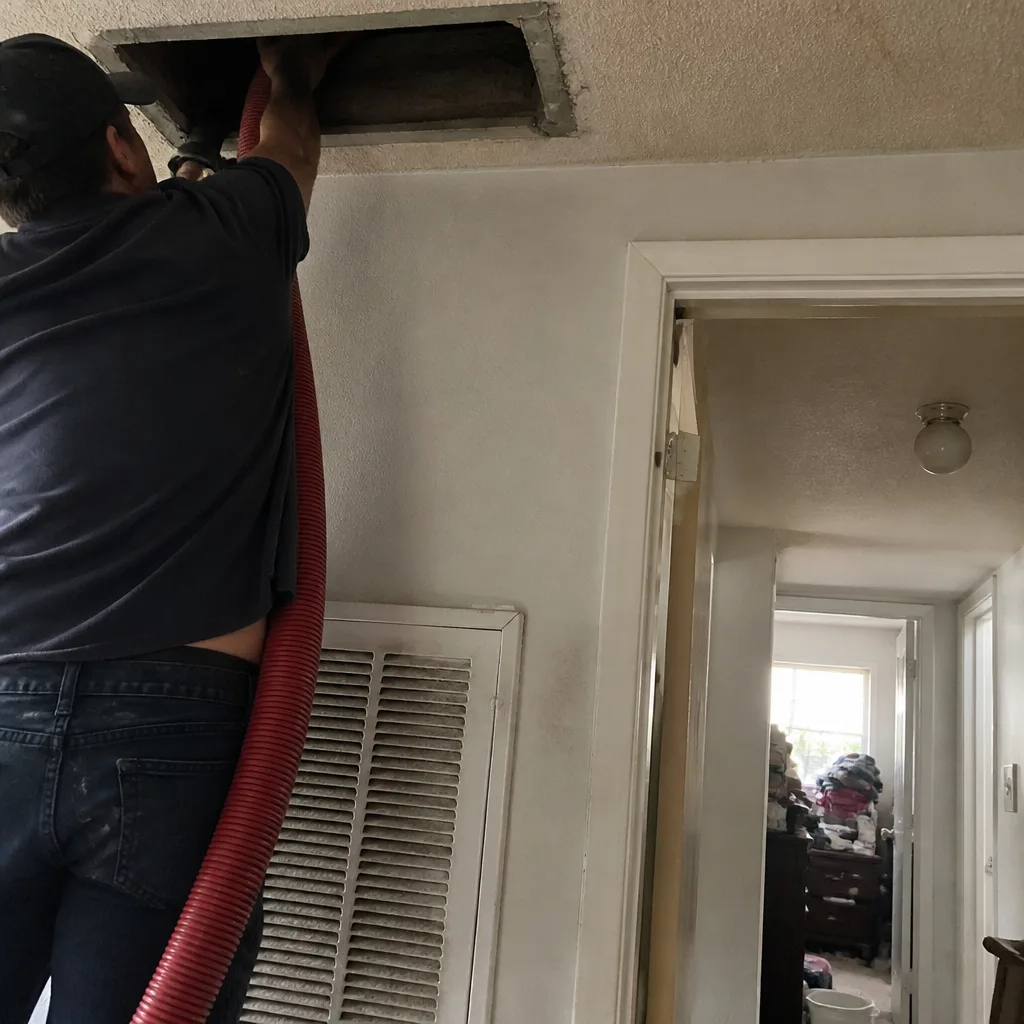 Before
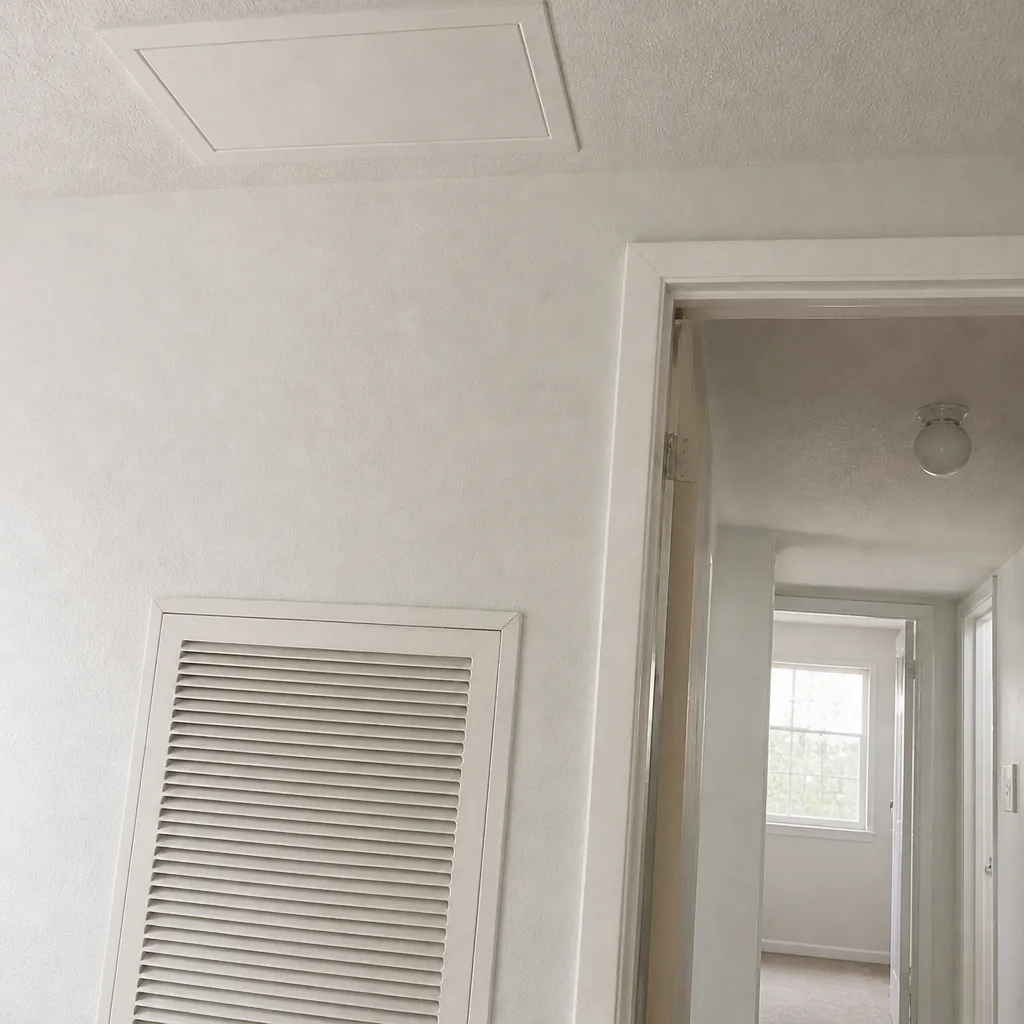 After
When to Call a Professional
Not every home needs duct cleaning on a set schedule, but several situations do warrant a professional visit. If you’ve got visible dust plumes at the registers when the system kicks on, that’s a sign the ducts need attention. If someone in the home has persistent allergy symptoms that improve when they’re away, contaminated ducts may be part of the picture. If you’ve just bought an older Centennial home and don’t know the service history, a first cleaning is a sensible baseline. And if the furnace blower is straining or the system isn’t moving air the way it used to, call before the winter cycle starts. Centennial Air Duct Cleaning Pros offers free estimates in Centennial: call (877) 820-8053.
Frequently Asked Questions
Air duct cleaning in Centennial typically costs $350 to $650 for a standard single-family home, with larger two-story homes ranging from $550 to $900. The written estimate sets the final price once the system is verified. Call (877) 820-8053 for an exact quote. Estimates are free.
Cheaper quotes almost always reflect a smaller scope: compressed-air blow-outs instead of mechanical brush cleaning, no HEPA extraction, and no register removal. They’re not necessarily dishonest, but they’re a different job. Ask each company to specify the equipment they use and what’s included. Call (877) 820-8053 and we’ll walk you through our quote line by line. Estimates are free.
Before-and-after photos of your own ducts are the proof. A full-system specialist should also be able to tell you exactly which registers and returns were cleaned, and what they found when they opened the air handler. If the work was contact-cleaned with a mechanical brush and HEPA extraction, the ducts should look visibly different in the photos. Call (877) 820-8053 for a free estimate.
Most Centennial homes do well with duct cleaning every three to five years, and homes with pets, allergy sufferers, or recent remodels often benefit closer to the three-year end. A home that’s never been cleaned, or one with a recent construction project, warrants a first visit sooner. Call (877) 820-8053 for a free estimate and a recommendation for your specific system.
Cleaning by itself rarely produces a dramatic drop on the utility bill. What helps heating efficiency in our long season is a combination: clean ducts, sealed duct joints, and proper filtration. The airflow improvement is real, and sealing leaky joints is where the efficiency gains concentrate. Call (877) 820-8053 to talk through what makes sense for your home. Estimates are free.
Dryer vent cleaning is usually priced separately, typically $125 to $200 per vent run, and it’s a distinct safety service. We treat it as a core part of the system rather than an afterthought because it addresses a leading cause of residential fires. If your dryer takes longer than it used to or the vent has never been cleaned, book it alongside the duct work. Call (877) 820-8053 for a free estimate.
The Bottom Line
The price gap in Centennial duct cleaning isn’t a mystery, and it isn’t margin. It’s scope and equipment, line by line. A $99 quote and a $650 quote can both be fair, but they describe different jobs: one is a compressed-air pass, the other is contact cleaning with mechanical brushes, HEPA extraction, register removal, and a documented before-and-after. Use a cost-per-vent benchmark of roughly $35 to $55 to spot outliers, insist on a written per-job estimate, and check what’s actually covered. Do that, and the quote you choose will be the one that actually cleans the system, not just the headline price.
If you’d like to talk through your specific Centennial home and get an honest number, call Centennial Air Duct Cleaning Pros at (877) 820-8053 for a free estimate. We answer 24/7. Fast dispatch from 7am to 7pm, Sunday through Friday.
Written by the team at Centennial Air Duct Cleaning Pros.