
Last updated November 23, 2026
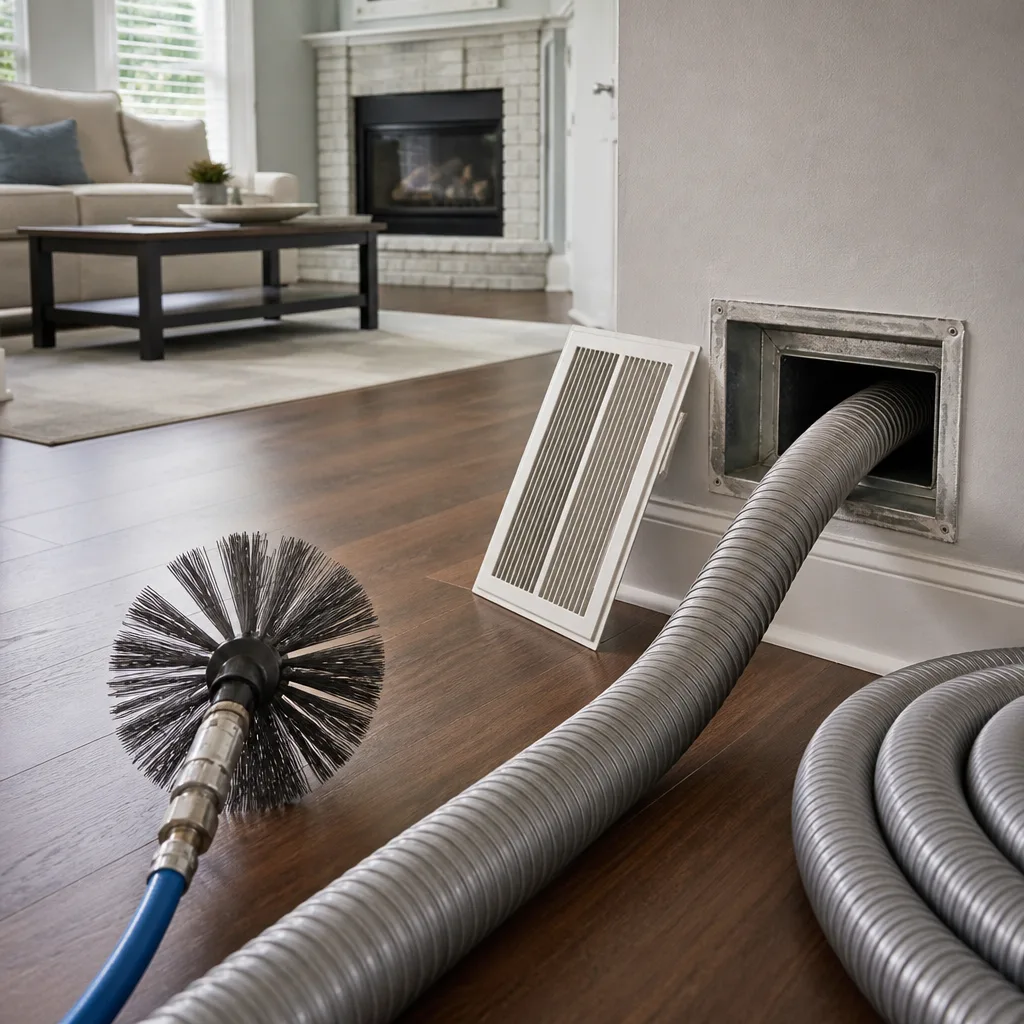 Whole-home duct cleaning
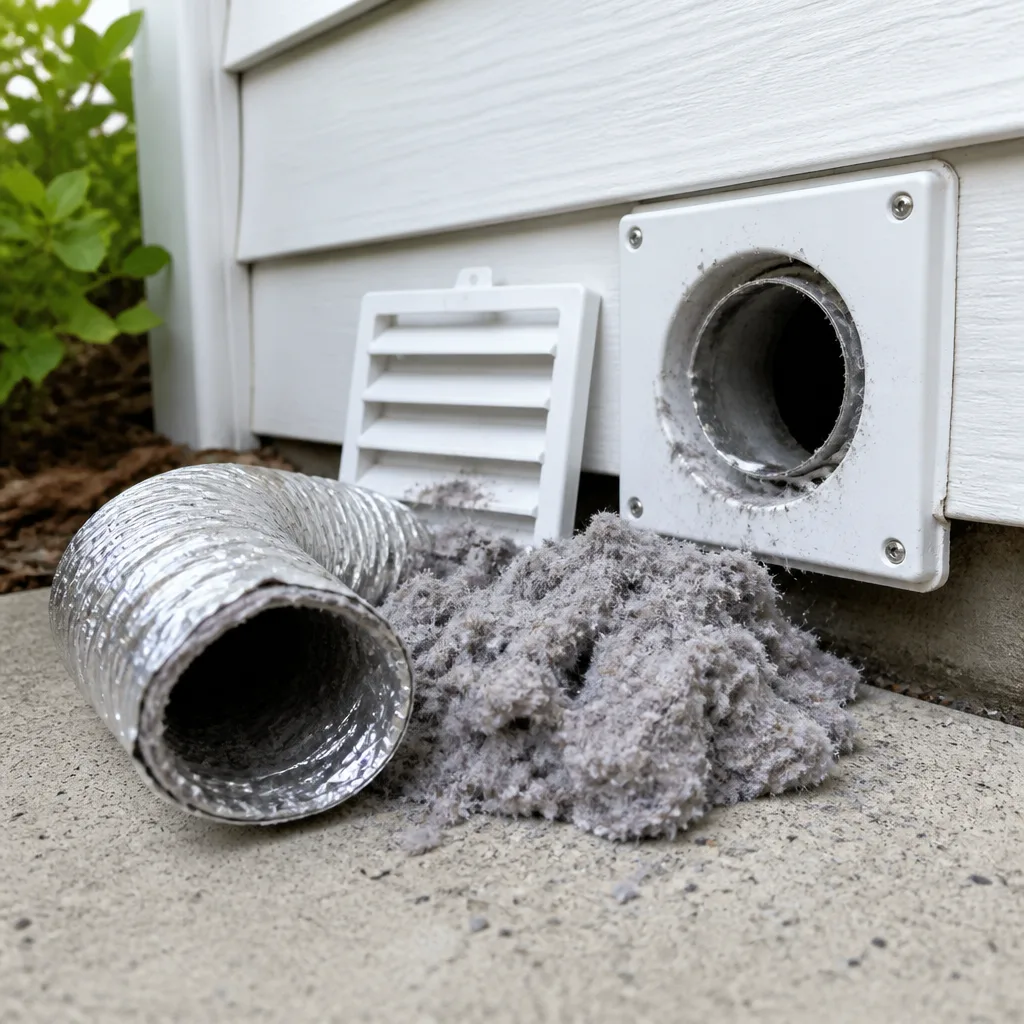 Dryer vent cleaning
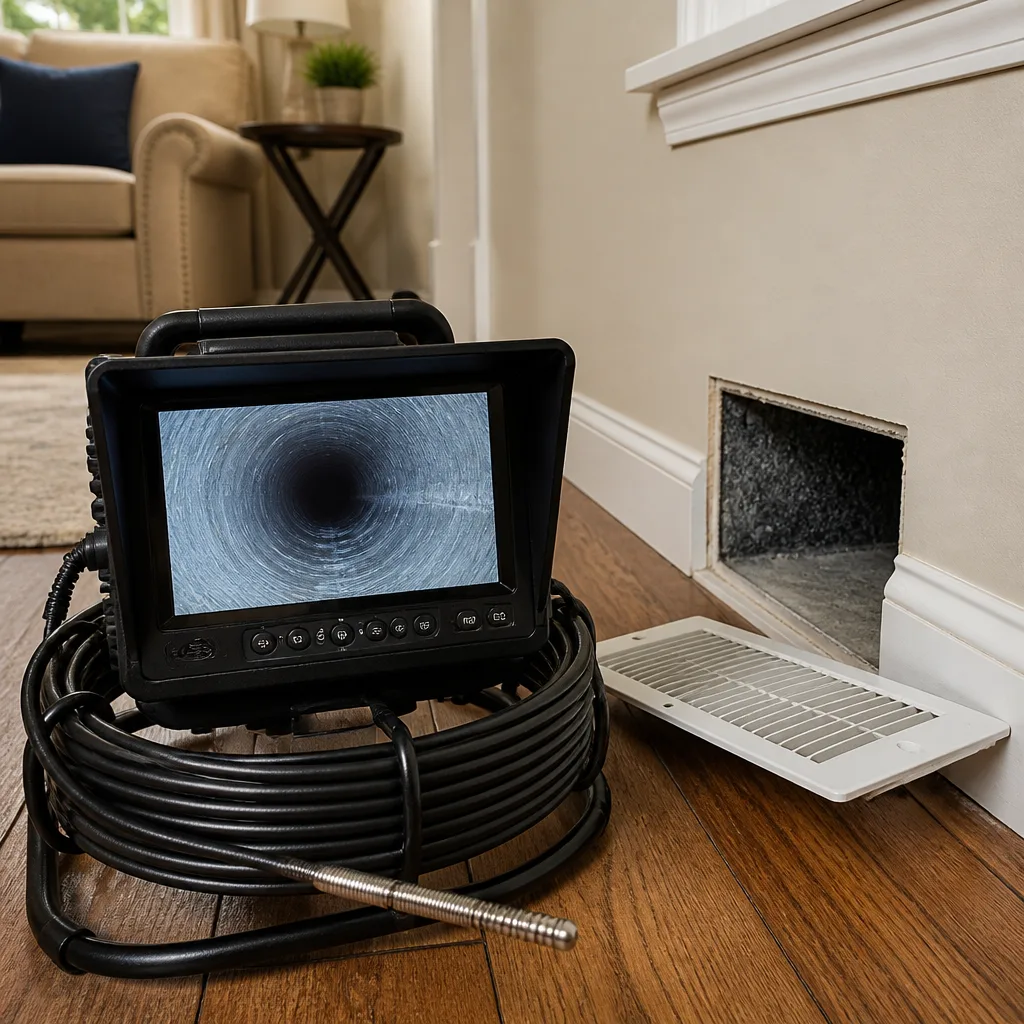 Camera inspection
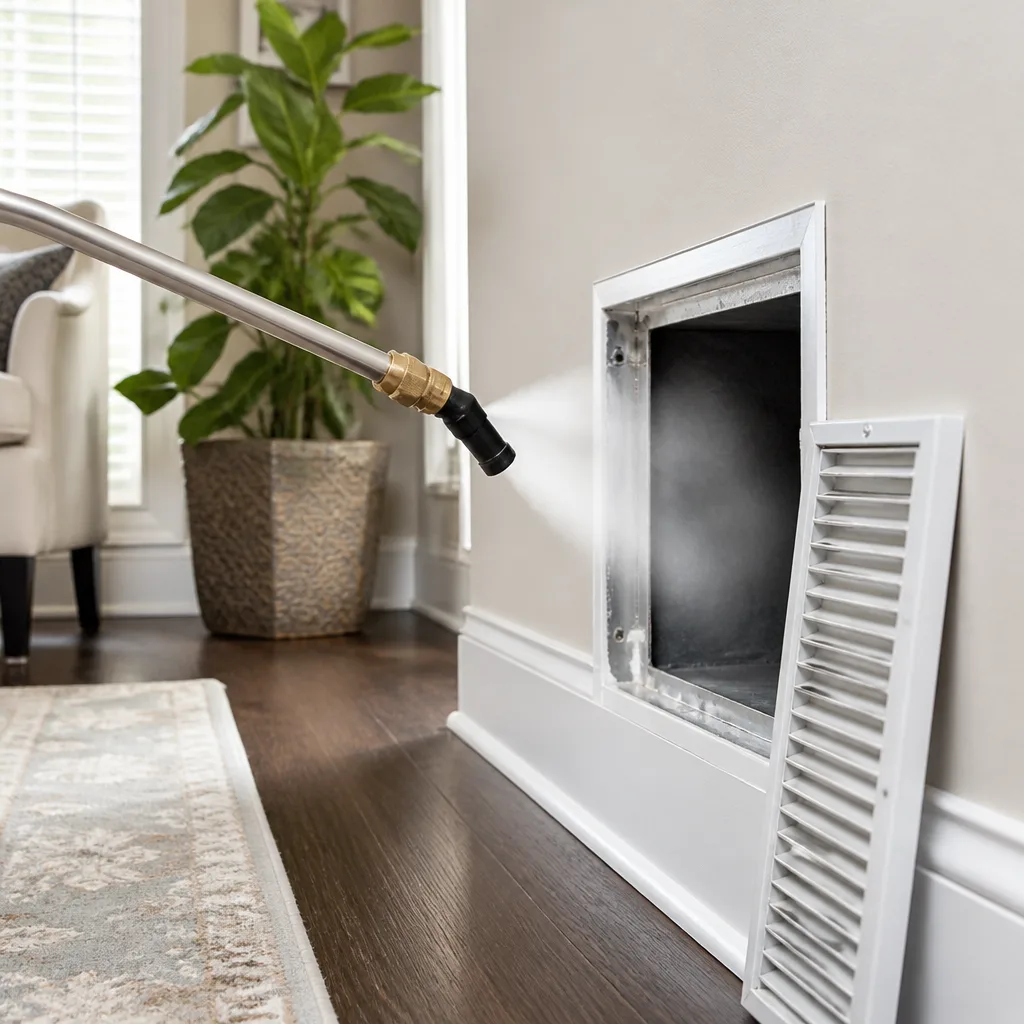 Sanitizing & deodorizing
Whole-system duct and dryer vent check with before-and-after photos - you see exactly what came out of your vents
That "$99 whole-house special" is a bait ad - the real number appears once they are in your hallway, or the "clean" is a shop-vac at the register. We photograph the inside of your ducts before and after instead.
Air Duct Cleaning Permits, Codes & Inspections in Centennial, CO: What You Need to Know
Here’s the part most homeowners get wrong: routine air duct cleaning in Centennial needs no permit at all, but the moment a technician cuts into a duct, patches a disconnected trunk, or replaces a section of flex run, that job can fall under the Colorado Mechanical Code and require a permit from the local building authority. A crew that quietly seals a broken duct without pulling one isn’t saving you paperwork. They’re handing you an open liability that tends to surface years later, usually at a resale inspection when a buyer’s inspector flags unpermitted mechanical work. This guide walks through where the line actually sits, who enforces it in Centennial, how to verify a contractor through the state, and what documents to keep afterward.
Quick Answer
Cleaning air ducts in Centennial, CO does not require a permit. Repairing, replacing, or modifying ductwork generally does, because that work falls under the Colorado Mechanical Code and is typically reviewed by Arapahoe County or the City of Centennial depending on the property’s jurisdiction. If a contractor alters your duct system, ask for the permit record and a written description of the work before you pay.
Styles & brands we work with
- Whole-home duct cleaning
- Dryer vent cleaning
- Camera inspection
- Sanitizing & deodorizing
Table of Contents
- Where the permit line actually falls
- What the Colorado Mechanical Code covers for duct work
- Centennial and Arapahoe County: which authority governs your home
- When duct sealing is DIY-legal and when it needs a licensed contractor
- How to verify a contractor through DORA before any work starts
- What documentation to keep after a duct repair
- What a mechanical inspection actually looks like
- Why this matters at resale in Centennial
Where the permit line actually falls
In our experience, the confusion comes from treating “duct work” as one category. It isn’t. Cleaning is maintenance. Repair and modification are construction. The building department only cares about the second one.
The Colorado Mechanical Code governs the installation, alteration, repair, replacement, and maintenance of mechanical systems, and ductwork is part of that system. Cleaning a duct removes accumulated debris without changing the system. Cutting out a crushed flex run, splicing in new duct board, replacing a rusted trunk section, or relocating a supply register changes the system, and that’s the work a permit is designed to track.
So the practical split looks like this:
- No permit typically needed: source removal cleaning of an existing duct system, dryer vent cleaning of an existing vent run, filter changes, and airflow balancing at the register dampers.
- Permit usually required: replacing a length of duct, adding or removing a supply or return, repairing a disconnected trunk with new material, changing duct size, or rerouting a run.
- Gray area that trips people up: resealing joints and seams with mastic or approved tape on existing duct work. Patching the seal isn’t structural, but if the seal job involves opening the duct or replacing a section to get at the leak, the repair may require one.
None of this means cleaning is unregulated. A proper job is still expected to follow industry standards, and a technician who dislodges debris with a mechanical brush system without sealing the returns first is creating a mess inside your walls, not doing you a favor. But that’s a quality issue, not a permit issue, and it’s worth knowing the difference before you start comparing quotes in Centennial.
What the Colorado Mechanical Code covers for duct work
The Colorado Mechanical Code applies to duct repairs and replacements in existing homes, not just new construction. That’s the detail most homeowners never hear, and it’s the reason a basement remodel done without permits can leave a trail of unresolved duct changes behind it.
The code addresses duct material, sizing, support, sealing at joints, clearances to combustibles, and how the duct system connects to the furnace or air handler. When a contractor replaces a section of duct with a different material or a different size, the code cares, because the change affects airflow, static pressure, and in some cases the safety of the appliance it’s connected to.
Three things in the code matter most for homeowners in Centennial:
- Material and closure requirements. Duct joints and seams are expected to be sealed appropriately for the system type. Taping a trunk with the wrong product, or leaving joints unsealed, is exactly what an inspector looks for.
- Support and routing. Ducts run through ceiling cavities, attics, and crawlspaces need proper support and clearance. In the tight attic cavities common to 1990s and early 2000s construction around Centennial, a poorly supported replacement run can sag and separate over a heating season.
- Connection to the mechanical appliance. Duct work doesn’t sit in isolation. When the duct system is altered, the connection at the furnace or air handler becomes part of the scope, and the code applies to that connection.
If a contractor tells you the code “only applies to new builds,” that’s your cue to keep looking. For a fuller picture of what day-to-day air duct cleaning involves in Centennial homes, that’s a separate conversation from the code question.
Centennial and Arapahoe County: which authority governs your home
Centennial is a relatively young city that contracts with Arapahoe County for building department services, which means two names appear on the paperwork and homeowners often aren’t sure which one applies. In practice, the permit is generally reviewed through the county’s building division under an intergovernmental arrangement, while the City of Centennial remains the governing municipality.
The short version for a homeowner:
- Residential mechanical permits for duct repair or replacement in Centennial are typically applied for through Arapahoe County’s building department, which serves as the city’s building authority.
- Property records and inspection history can live with the county even when the parcel is inside Centennial city limits.
- Homeowners associations add a separate layer. Many Centennial neighborhoods, particularly in planned communities, have HOA rules about exterior penetrations and contractor access that have nothing to do with the building code but can still stop a job in its tracks.
One thing that genuinely matters in a Centennial attic: this is high plains climate at roughly 5,500 feet, with dry air, wide temperature swings, and summer attic temperatures that will cook a duct run that isn’t supported and sealed properly. Duct seal failure here isn’t just about losing a few dollars of conditioned air. It’s about a joint opening up over a few heating seasons and dumping attic dust into your supply vents.
If you aren’t sure which authority holds the permit file for your address, call the county building department with your parcel number. It takes five minutes and it settles the question.
When duct sealing is DIY-legal and when it needs a licensed contractor
Sealing exposed duct joints with mastic or approved foil tape is generally something a homeowner can do without a permit, as long as you’re only touching what you can safely reach and you aren’t altering the system. The moment the job involves cutting, splicing, replacing, or moving duct material, it’s contractor territory.
Where it crosses the line:
- Accessible, intact duct work with a leaking seam. Sealing that seam is a maintenance task. No permit, no contractor needed, though quality still matters.
- A crushed or disconnected flex run behind drywall. Replacing it involves opening the assembly and installing new material. That’s a mechanical alteration.
- Duct board replacement. Cutting out and fitting new duct board changes the assembly. Licensed mechanical contractor, permit required in most cases.
- Anything inside the air handler cabinet or at the plenum. That’s appliance territory. Leave it to a licensed professional.
We’re straightforward about this: for duct repair and sealing, the right tool is a licensed mechanical contractor, not a roll of tape from the hardware store. The tape most homeowners buy at retail is often the wrong rating for the application, and a joint taped with the wrong product can fail within a season. When we work on HVAC cleaning and find compromised duct seal, we’d rather tell you it needs a permit and a licensed repair than quietly patch it and walk away.
One more note on mechanical cleaning. A proper cleaning uses a mechanical brush system to physically dislodge debris and a HEPA-rated vacuum to capture it. We run Rotobrush contact brush systems with Nikro HEPA extraction. That’s the standard to ask any contractor about, and it has nothing to do with permits. It’s about whether the job actually gets the debris out of the house.
How to verify a contractor through DORA before any work starts
The Colorado Department of Regulatory Agencies, or DORA, is where you confirm that a mechanical contractor holds a valid license. Any duct repair or modification in Centennial that requires a permit generally requires a licensed mechanical contractor to pull it, and DORA is the check.
Here’s the sequence, and it takes ten minutes:
- Ask for the company’s legal business name and license number. A legitimate contractor will give both without hesitation.
- Look up the license on DORA’s online verification tool. Confirm the name matches, the license type is appropriate for mechanical work, and the status is active.
- Ask who will hold the permit. The answer should be the licensed contractor, not you.
- Confirm insurance. The licensed contractor should be able to document general liability coverage before stepping onto your property.
- Get the scope in writing. A written scope that describes the specific duct work to be performed is what a permit application is built from, and it’s what you’ll compare against the finished job.
For straight cleaning work, a permit isn’t required, but the license question still tells you a lot about who you’re letting into your attic and your crawlspace. CleANing a dryer vent, which we treat as a dedicated service and not an add-on, is one of those jobs where the person doing it needs to know what a properly routed vent looks like. A vent run with too many elbows or a crushed section is a fire risk regardless of permits, and any technician touching it should be able to tell you what they found. You can read more about that on our dryer vent cleaning page.
What documentation to keep after a duct repair
After any duct repair or modification in Centennial, the paper trail matters more than the invoice. Keep these in your home’s file, and if you don’t have a home file, start one.
- The permit number and final inspection record. If a permit was pulled, the final inspection sign-off is the proof the work closed out properly.
- The contractor’s written scope of work. What was replaced, what was sealed, and which materials were used, in plain language.
- Product documentation for the materials installed. If Aprilaire or Honeywell indoor air quality components were added at the same time, keep their installation documentation separate from the duct repair paperwork.
- Before-and-after photos. Any contractor doing mechanical cleaning or repair should be able to document the condition of the duct system before and after work. We take photos on every job, and you should ask for them regardless of who you hire.
- The written estimate and final invoice, both showing the same scope. One flat price per system, agreed before work starts, is the standard to hold a contractor to.
That file is what you hand a buyer’s inspector in five years. A permit record with a clean final inspection and a scope of work that matches the finished job is what makes an inspector move on to the next item. A duct system with obvious repairs and no paperwork is what makes them start asking questions.
What a mechanical inspection actually looks like
A mechanical inspection for duct work isn’t a full evaluation of your air quality. It’s a code compliance check on the specific work permitted. Knowing what the inspector looks at helps you understand why the paperwork matters.
The inspector typically reviews:
- The installed duct material and sizing against what the permit described.
- Joint and seam sealing at the work performed.
- Support and clearance for any new or replaced run.
- The connection at the mechanical appliance, if that was part of the scope.
What an inspector does not typically check is whether the duct system is clean, whether the return is pulling attic air, or whether the supply register in the nursery is delivering what the HVAC system was designed for. That’s a quality issue, and it’s why a licensed permit and a proper cleaning job are both worth having, but they’re different jobs done by different scopes of work.
A final inspection sign-off closes the permit file. If the repair fails inspection, the contractor is typically responsible for correcting it and calling for a re-inspection. That’s the accountability a permit buys you, and it’s the reason a contractor who steers you around one is not doing you a favor.
Why this matters at resale in Centennial
At resale, a buyer’s inspector walks into the mechanical room, looks at the duct system, and looks for evidence of work that doesn’t match the permit record. Unpermitted duct changes create two problems: the buyer’s agent asks for documentation you can’t produce, and the repair moves from a contractor’s scope into a negotiation credit.
Centennial’s housing stock is heavy on 1990s and 2000s construction, which puts a lot of homes in the resale window right now. Buyers in that window are looking closely at mechanical systems. A duct repair documented with a permit and a final inspection is a short conversation. A duct repair with nothing in the file can become a seller credit, and sometimes a re-inspection request from the buyer’s lender.
If you inherited a system with unpermitted work, that’s not a crisis. It’s a phone call to the county building department to ask what’s required to bring the file current. A licensed mechanical contractor can assess the work and walk you through whether a permit is needed and what the correction looks like. And if the duct system itself hasn’t been cleaned in the years since the work was done, the dirt is usually sitting in the exact ducts a permit file is supposed to describe. A documented, mechanically cleaned system with before-and-after photos is a much better item to hand a buyer than a promise.
Common Mistakes to Avoid
- Assuming cleaning needs a permit, then skipping a proper cleaning. Cleaning a duct system doesn’t need a permit. Assuming it does and skipping it leaves debris in the system, which surfaces as reduced airflow and a dirtier house.
- Assuming duct repair doesn’t need a permit, then letting a generalist patch it. The repair is the regulated part. A handyman patching a trunk without a permit creates liability that follows the property, not the handyman, at resale.
- Confusing Centennial and Arapahoe County. The city contracts its building services to the county, but homeowners often call the wrong office first. Have your parcel number ready and start with the county.
- Using the wrong tape on a joint it wasn’t rated for. Retail duct tape fails at the temperatures and pressures a duct joint sees. Duct mastic or a code-approved closure is what a proper repair uses.
- Skipping DORA verification because the contractor seemed professional. A friendly technician with an unverified license is the exact problem DORA exists to catch. Spend the ten minutes.
- Not keeping the permit and inspection record. The paperwork is the point of the permit. A final inspection sign-off in a file is what makes the inspector move on.
- Skipping dryer vent cleaning because it isn’t part of the duct permit discussion. It isn’t regulated the same way, and it’s a fire-safety concern that gets overlooked in air duct conversations. It’s a separate service, and it matters just as much.
See the difference
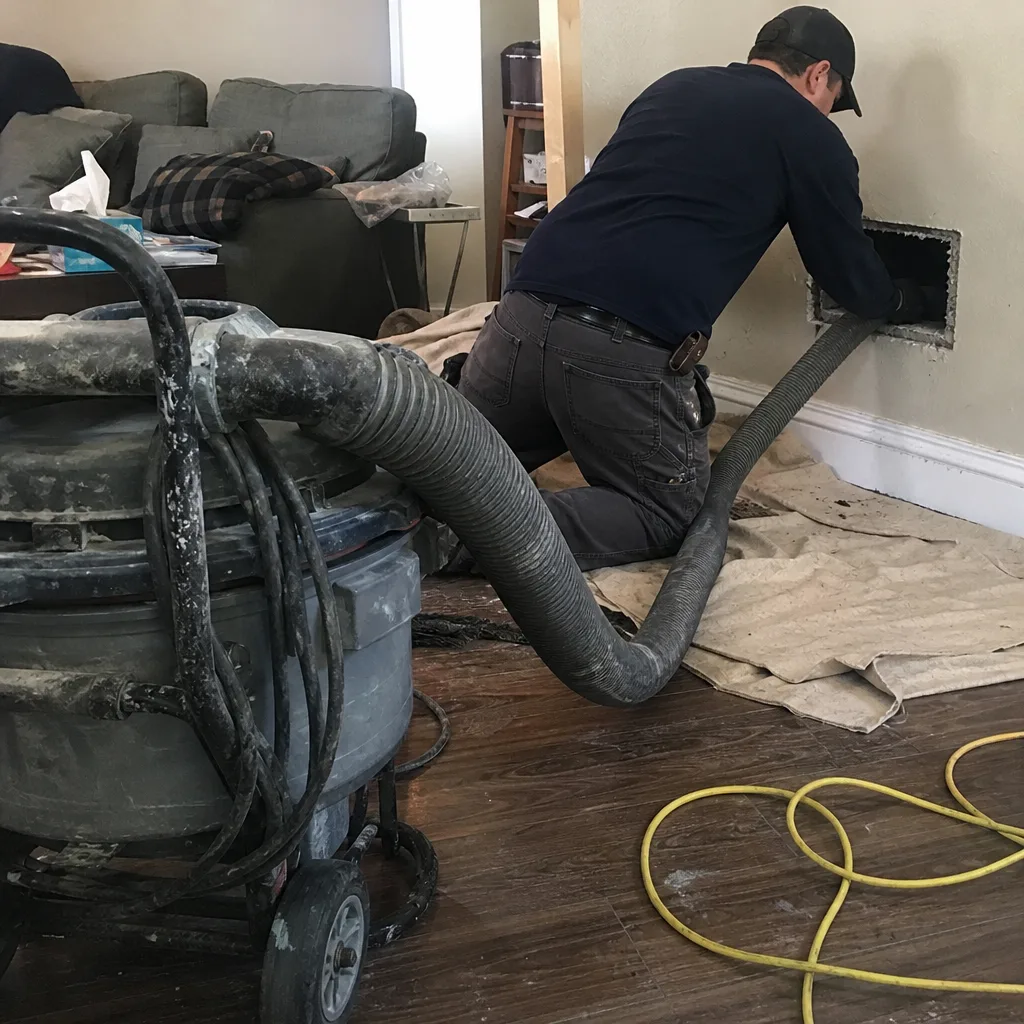 Before
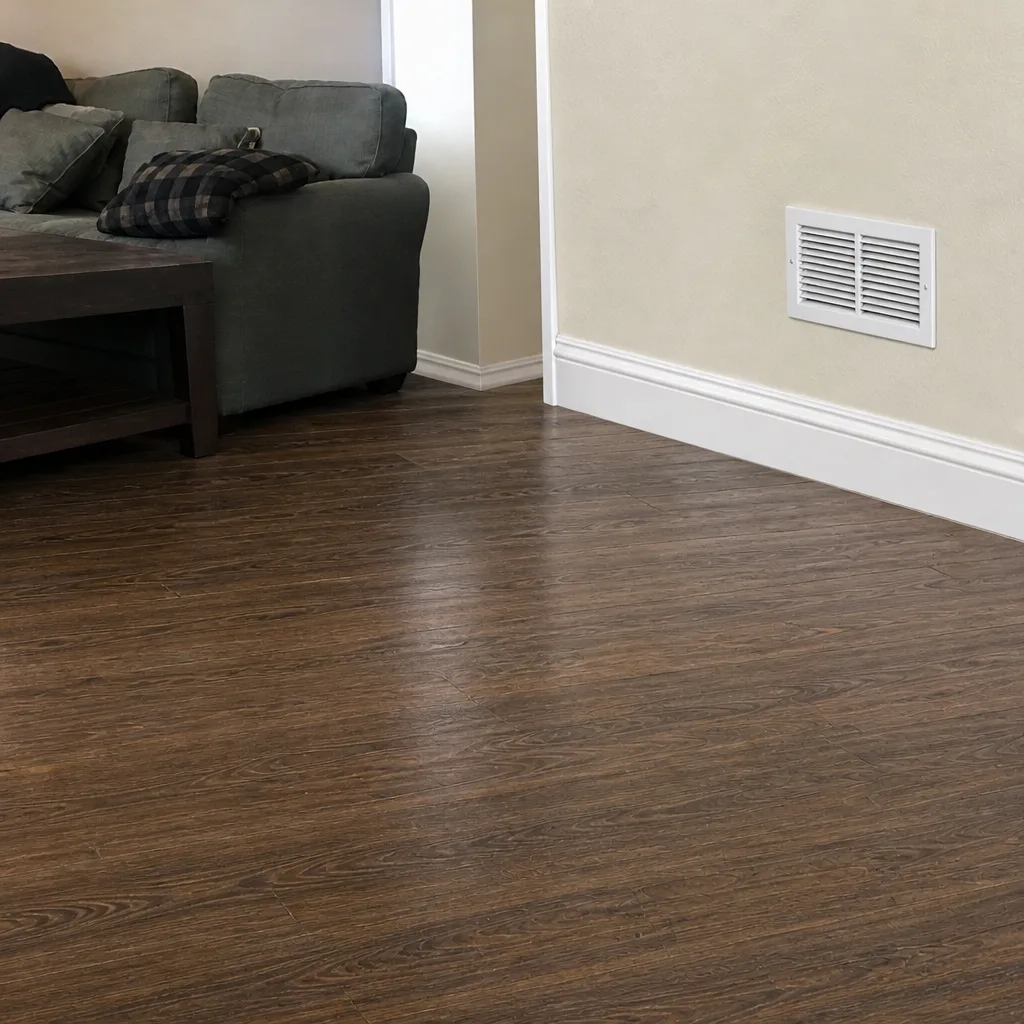 After
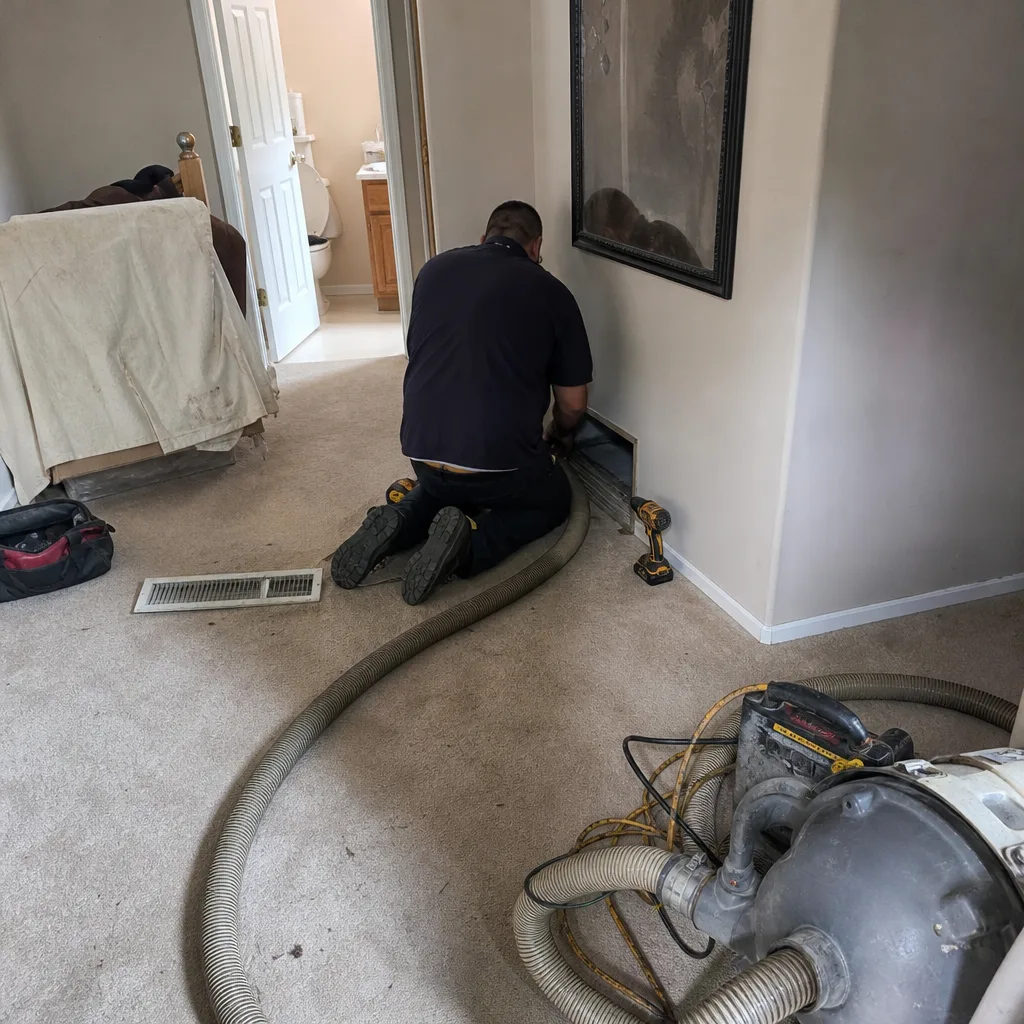 Before
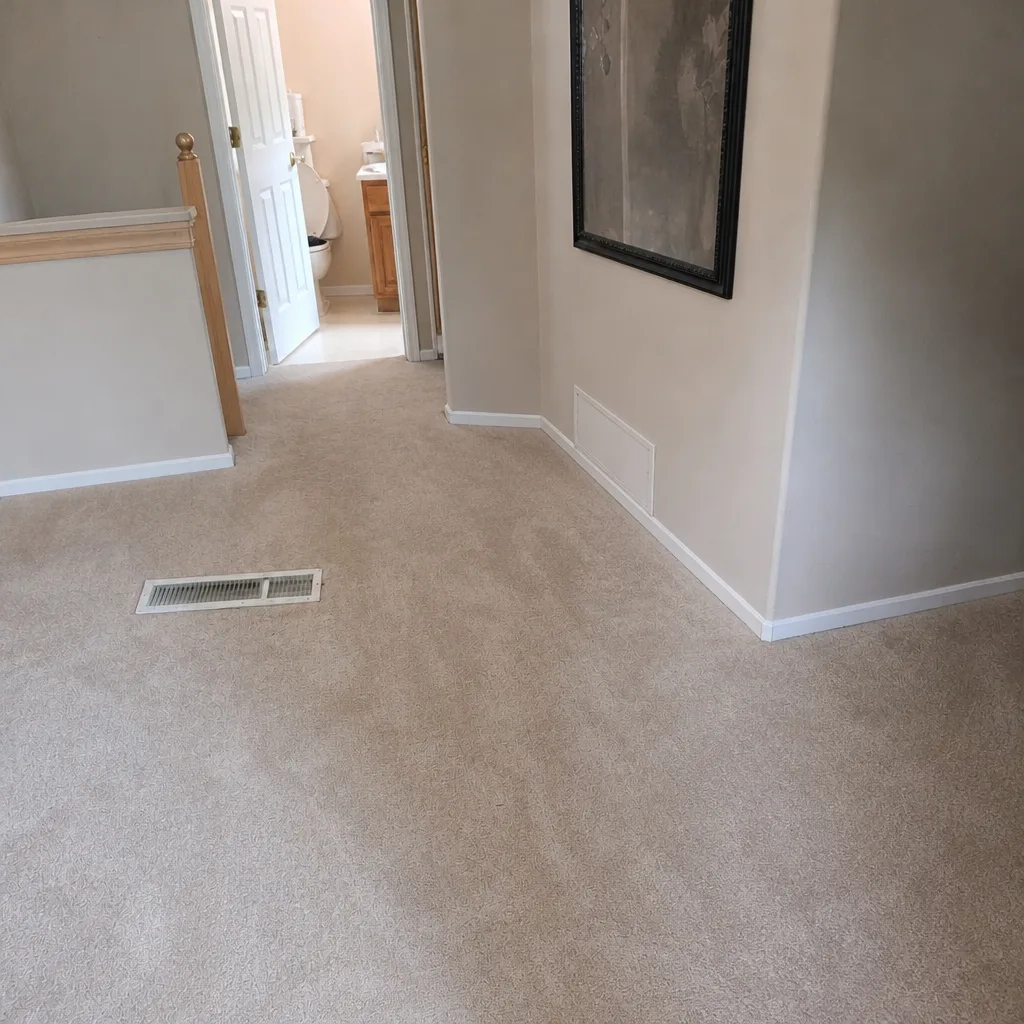 After
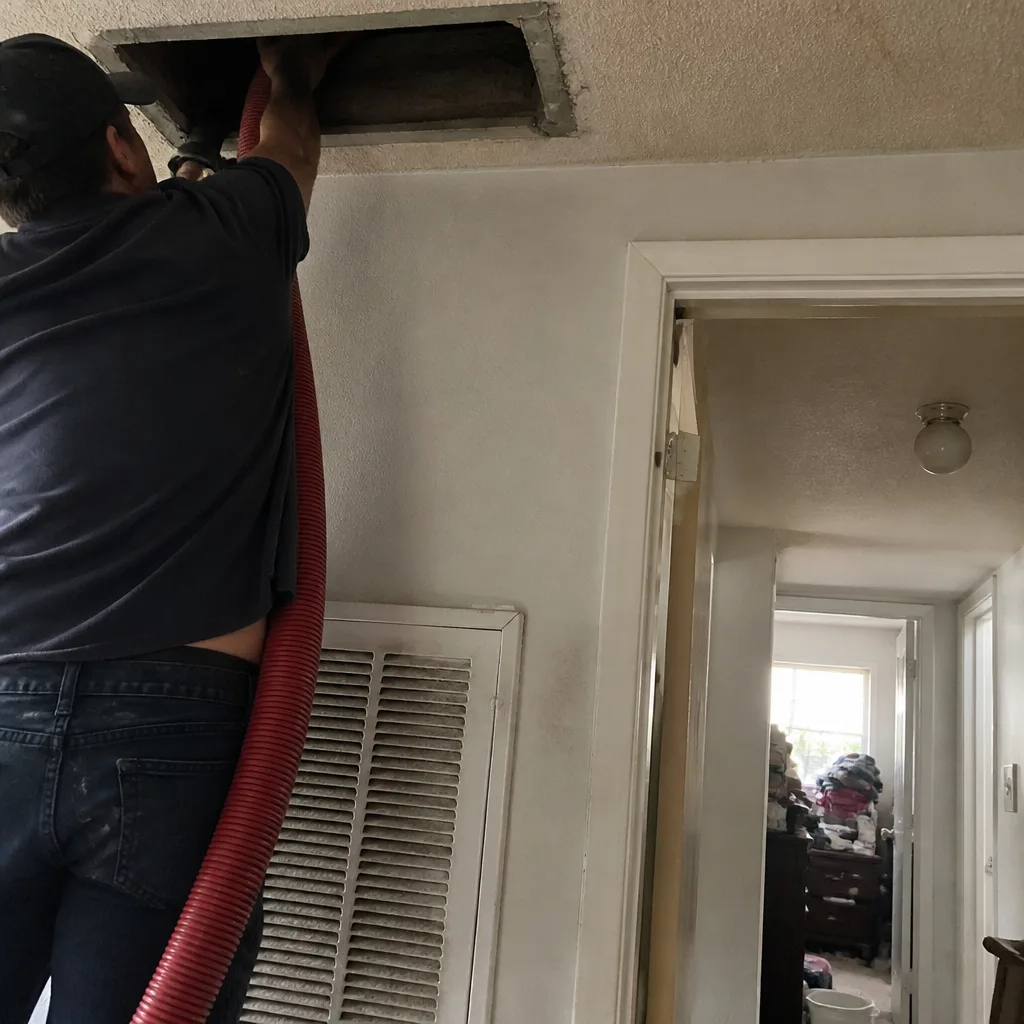 Before
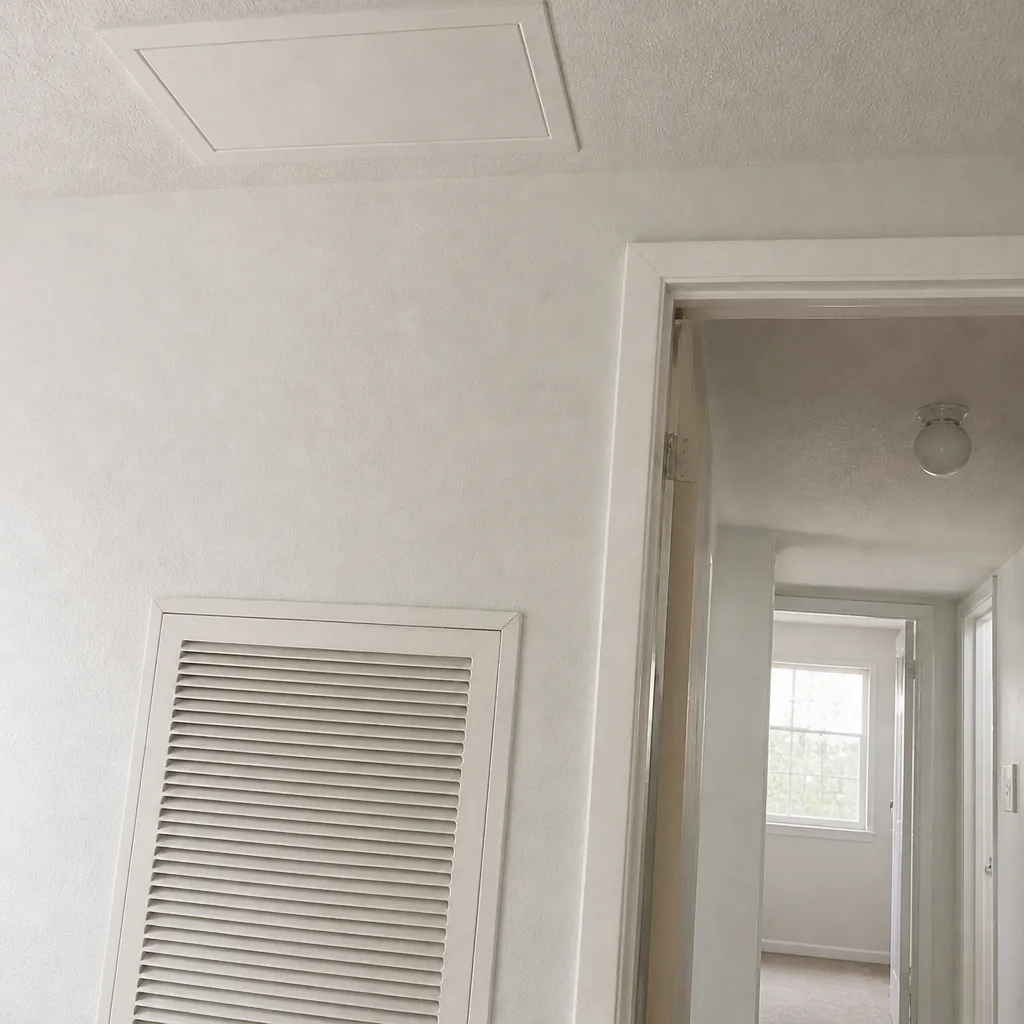 After
When to Call a Professional
Call a professional when the duct work involves anything beyond cleaning, when you find a disconnected run, a crushed flex section, or a rusty trunk that’s clearly been patched without a permit before, or when you’re getting ready to sell and the mechanical file has gaps. Call us too if your duct system hasn’t been mechanically cleaned and you’re noticing dust, airflow issues, or allergy symptoms that get worse inside the house. A cleaning job doesn’t need a permit, and a documented mechanical cleaning is the baseline the rest of this guide builds on.
Centennial Air Duct Cleaning Pros offers free estimates in Centennial. Our technicians have up to 13 years of experience, and we work with contractor-grade equipment: Rotobrush mechanical brush systems, Nikro HEPA extraction, and Abatement Technologies filtration for remediation-level air quality work. Call (877) 820-8053. We answer 24/7. Fast dispatch from 7am to 7pm, Sunday through Friday.
Frequently Asked Questions
No. Air duct cleaning in Centennial does not require a permit because it’s maintenance, not construction. Cleaning removes debris from an existing system without changing the system, so no building department review is involved. If the contractor is also repairing or replacing duct work during the visit, that part may require a permit. Call (877) 820-8053 for an exact quote. Estimates are free.
Yes, in most cases. Duct repair, replacement, and modification fall under the Colorado Mechanical Code and typically require a permit from Arapahoe County’s building department, which handles building services for the City of Centennial. A licensed mechanical contractor should pull the permit and hold it, not you. If a contractor offers to do the repair without one, ask why before you agree.
Check the license on the Colorado Department of Regulatory Agencies (DORA) online verification tool. Ask the contractor for the legal business name and license number, then confirm the name matches, the license type is right for mechanical work, and the status is active. Confirm insurance at the same time. It’s a ten-minute check and it tells you a lot about who you’re letting into your attic.
You can seal accessible, intact joints on your own if the duct isn’t being cut, spliced, or replaced. Once the job involves opening duct work, replacing a section, or reaching material inside an assembly, a licensed mechanical contractor should handle it, and a permit may be required. Use mastic or a code-approved closure rated for the application, not retail duct tape.
Keep the permit number and final inspection sign-off, the contractor’s written scope of work, product documentation for any materials installed, before-and-after photos of the duct system, and both the written estimate and final invoice showing the same scope. That file is what you hand a buyer’s inspector at resale, and a clean record shortens the conversation considerably.
Low quotes usually buy less equipment, less time, and less documentation. A quick compressed-air pass without mechanical brush contact and HEPA extraction doesn’t remove the debris, it just relocates it. We work to one flat price per system, agreed before work starts, with before-and-after photos of your own ducts so you can see the work was actually done. Call (877) 820-8053 for an exact quote. Estimates are free.
The Bottom Line
Cleaning your ducts in Centennial doesn’t require a permit. Repairing, replacing, or modifying your duct work usually does, because that’s a Colorado Mechanical Code matter reviewed through Arapahoe County on behalf of the city. The line sits between maintenance and construction, and it’s worth knowing which side of it a job falls on before anyone touches your duct system. Verify the contractor through DORA. Ask who holds the permit. Keep the paperwork. And if your duct system needs mechanical cleaning on its own, that job doesn’t need permission from anyone except you.
If you’re ready to get a real answer on your duct system, including a documented mechanical cleaning, a duct seal inspection, or a dryer vent assessment, call Centennial Air Duct Cleaning Pros at (877) 820-8053. We answer 24/7, and fast dispatch runs from 7am to 7pm, Sunday through Friday. Estimates are free, and the price is set per job by the written estimate. You can also start with our main page at Centennial Air Duct Cleaning Pros to see the full scope of what the full duct system service covers, from cleaning and sealing through Aprilaire and Honeywell indoor air quality improvements.
Written by the team at Centennial Air Duct Cleaning Pros.