
Last updated November 23, 2026
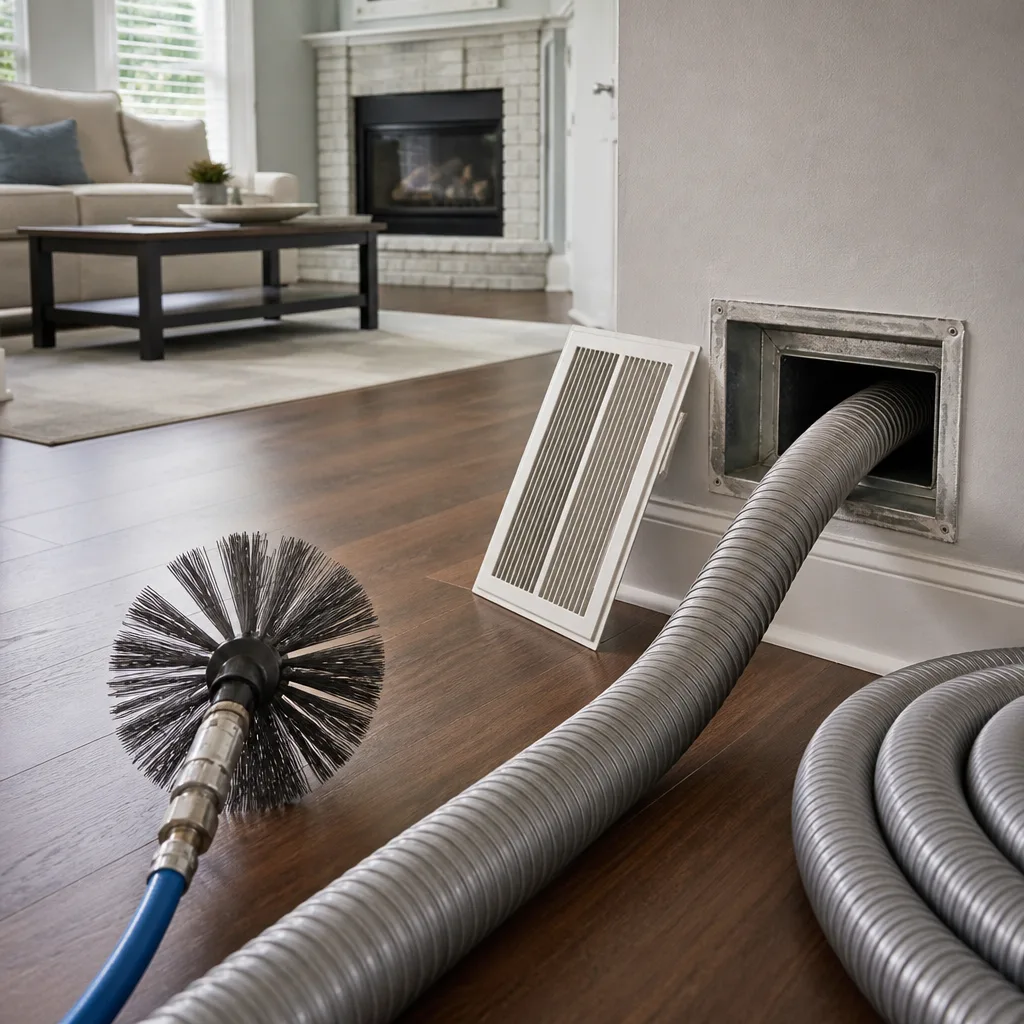 Whole-home duct cleaning
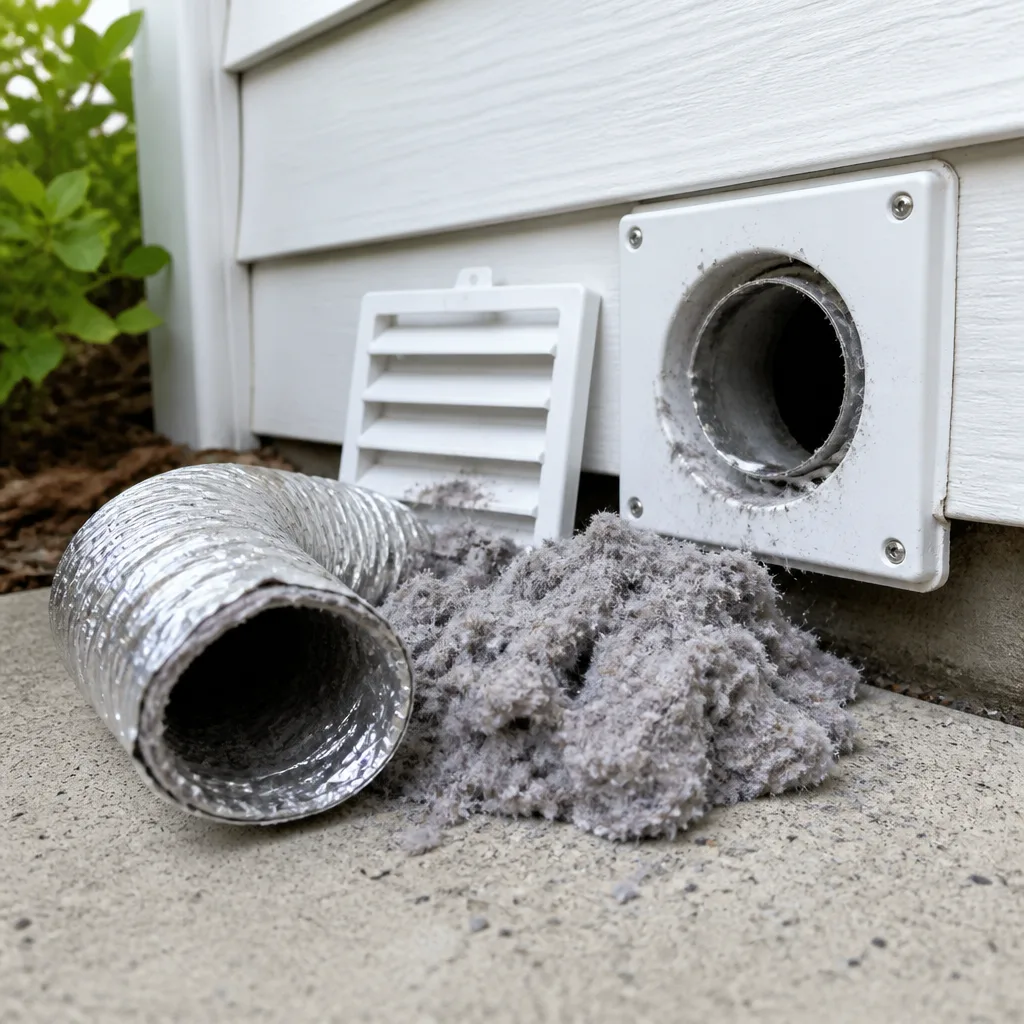 Dryer vent cleaning
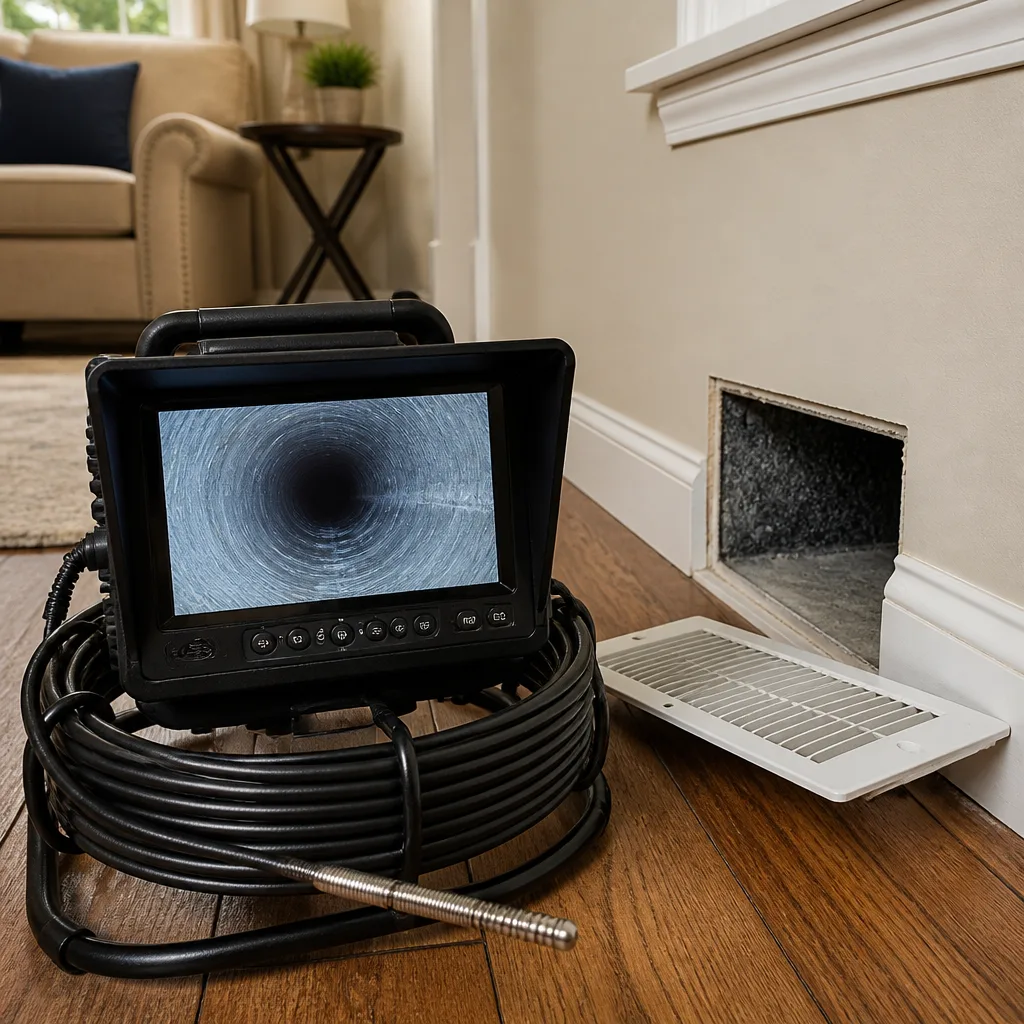 Camera inspection
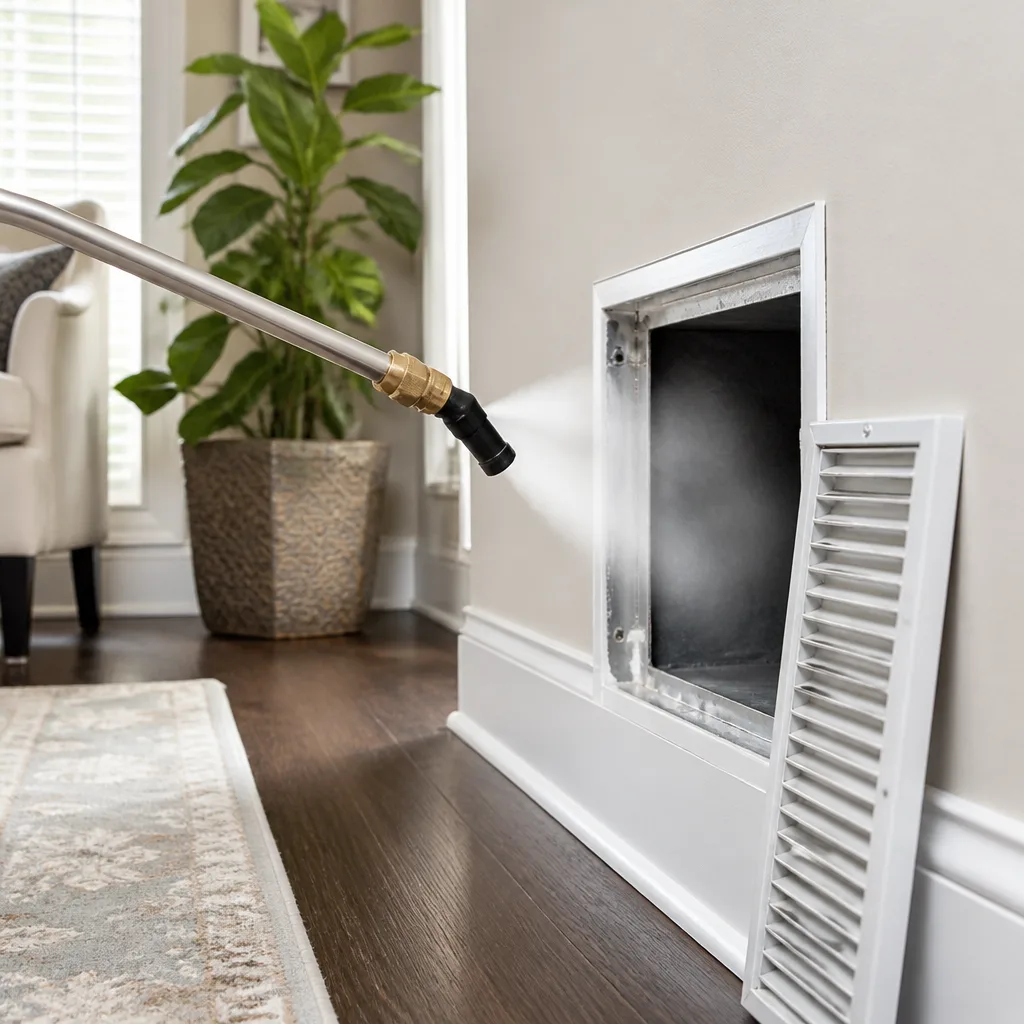 Sanitizing & deodorizing
Whole-system duct and dryer vent check with before-and-after photos - you see exactly what came out of your vents
That "$99 whole-house special" is a bait ad - the real number appears once they are in your hallway, or the "clean" is a shop-vac at the register. We photograph the inside of your ducts before and after instead.
Seasonal Air Duct Cleaning Care for Centennial: Year-Round Homeowner’s Guide
Most homeowners treat duct cleaning as a single errand on a long list: once every few years, whenever the air smells off or a coupon shows up in the mail. That approach misses the way your duct system actually gets stressed. Here in Centennial, four distinct conditions hit the ductwork in predictable order every year, and each one leaves a different kind of residue behind. Handling them the same way is why so many homes stay stuck reacting to problems instead of preventing them. This guide breaks the year into its four challenges and maps specific actions to each, so your ducts are always a step ahead of the next season rather than behind it.
Quick Answer
Seasonal air duct cleaning in Centennial works best when you match the timing to the local climate instead of following a generic every-3-to-5-years rule. In practice that means scheduling a professional mechanical cleaning in late spring after snowmelt and pollen have passed, addressing smoke infiltration in late summer, and inspecting before the heating season starts in fall. Winter calls for humidity and dust management rather than a full cleaning. The result is cleaner air and fewer surprises when each season turns over.
Key Takeaways
- Spring snowmelt raises humidity in Centennial basements, which feeds mold in return-air ductwork.
- Summer wildfire smoke is submicron in size and slips past standard MERV-8 filters to coat duct interiors.
- Fall is the time to inspect before the gas furnace fires up for the first cold snap.
- Winter static from dry indoor air pulls dust to duct walls faster than in humid climates.
- Timing a professional cleaning to the seasons beats a fixed multi-year schedule.
Styles & brands we work with
- Whole-home duct cleaning
- Dryer vent cleaning
- Camera inspection
- Sanitizing & deodorizing
Table of Contents
- Spring in Centennial: Snowmelt Humidity and Return-Air Mold
- Summer Wildfire Smoke and Why MERV-8 Filters Fall Short
- Fall Pre-Heating-Season Inspection Checklist
- Winter Static, Dry Air, and Dust Accumulation
- How to Time Professional Cleanings for Maximum Value
- Signs Your Ducts Are Overdue Regardless of Season
- Common Mistakes to Avoid
- When to Call a Professional
Spring in Centennial: Snowmelt Humidity and Return-Air Mold
Winter in Centennial leaves a lot of water behind when it melts, and much of it finds its way toward the lower parts of a home. As the snowpack gives way, soil stays saturated for weeks. Basements and crawlspaces pick up that humidity, and the return-air side of a duct system is often routed right through those spaces. That is the setup mold needs: a cool, damp environment with a steady film of settled dust to feed on. A return duct running through a humid basement is a far more inviting place for mold than the supply side that runs through conditioned rooms.
What makes spring tricky is that the problem builds quietly. Return-air ducts carry air back to the furnace, so any growth on the interior liner or on settled dust gets pulled toward the blower and then redistributed. Homeowners often notice the smell before they see anything. A musty, earthy odor when the system runs is a common early signal, and it tends to be strongest in the first warm weeks of the year when the humidity peaks.
What we recommend for spring:
- Check basement and crawlspace humidity with a simple hygrometer; sustained damp reads are your cue to act.
- Look for water staining, condensation, or peeling liner on any duct runs that pass through unconditioned space.
- Run the system fan less on basement-damp days, and ventilate the space when weather allows.
- Book a professional inspection if you smell mustiness when the air handler kicks on.
If a return run has genuinely been growing something, surface cleaning is not enough. Full mechanical cleaning with contact-based brushing is what removes the material rather than smearing it. You can read more about that process on our air duct cleaning page. When humidity has been high, our technicians also evaluate whether sanitizing is appropriate. Mold does not just disappear because the weather turned warm, so this is the season to catch it early.
Summer Wildfire Smoke and Why MERV-8 Filters Fall Short
Summer along the Front Range brings smoke from fires far to the west, and that smoke carries particles small enough to defeat a standard filter. Most homes run a MERV-8 filter in the return grille. MERV-8 does a reasonable job on pollen and larger dust, but much of wildfire smoke falls into the submicron range, which is where standard media filters lose efficiency fast. Those particles pass through the filter, ride the airstream, and end up sticking to duct interiors, where they remain long after the sky has cleared.
What gets left behind is a fine sooty film. It coats the duct walls, collects at joints and turns, and combines with ordinary household dust to form a layer that smells distinctly smoky whenever the system runs. In our experience, homes that keep windows open on smoky days during a bad season build this layer much faster than homes that sealed up.
Practical summer steps:
- Close windows and doors on smoke-heavy days and let the HVAC system filter the indoor air rather than pulling outside air in.
- Check your filter monthly during fire season instead of waiting for the usual change interval; a loaded filter stops doing its job.
- Consider a higher-efficiency filter only if your equipment is rated for the added pressure drop; not every system is.
- Watch for a lingering smoke smell in the house once the skies clear, which often points to what is sitting in the ducts.
For homes dealing with smoke or allergy concerns, filtration matters as much as cleaning. We work with Aprilaire and Honeywell indoor air quality products, and we can supply Abatement Technologies-grade filtration and air scrubbers for remediation-level work. That is the difference between cleaning the duct and then improving what the system filters going forward. Cleaning without an upgrade in filtration is a reset that gets undone by the next smoky week.
Fall Pre-Heating-Season Inspection Checklist
The first cold snap of the year is when many Centennial homeowners turn the furnace on for the first time since spring. If the ducts have not been touched since the previous heating season, that first run pushes months of settled dust into every room at once. Fall inspection exists to prevent exactly that.
Centennial has a large share of homes built between roughly 1995 and 2010, and most of those run a forced-air gas furnace with a duct system sized for that era. Those systems are now old enough that joints, seams, and connections are worth a close look before they run loaded for the winter. A pre-season inspection is a good moment to catch a loose joint or a failed seal while the system is off rather than after it has been pumping conditioned air into a crawlspace all winter.
Fall inspection checklist:
- Replace the furnace filter before the first run, not after.
- Walk the visible duct runs and check for disconnected joints, crushed flex duct, or gaps at the seams.
- Look at the return grilles and supply registers for dust streaks or dark edges, which point to air bypassing the filter.
- Run the furnace briefly and note any musty, dusty, or smoky odor carried through the vents.
- Check that the condensate line and drain pan are clear, since a slow leak over winter is easy to miss.
- Schedule duct cleaning or sealing if the inspection turns up gaps, loose joints, or heavy visible dust.
Duct sealing is the piece many homeowners skip. A cleaning removes what is inside, but a leaking joint lets new dust in from unconditioned space all winter. We handle repair and sealing as part of the same scope, so a fall visit can address both the dirt and the leak feeding it. That is the full-system approach rather than a one-time blow-out.
Winter Static, Dry Air, and Dust Accumulation
Winter air in Centennial is dry, and dry air is a dust magnet. When indoor relative humidity drops, surfaces build up static charge more readily. Dust particles pick up charge and cling to duct walls, grilles, and register covers instead of staying suspended and getting filtered out. That is why a duct system in a dry climate can look dustier after a heating season than after a humid one, even when the home sees the same amount of foot traffic.
The effect compounds because heating season runs the system constantly. Every cycle moves air, and the charged particles that cling to the inside of the duct stay put and build a film. Over a season that film thickens. Then spring arrives, humidity climbs, and that same settled layer becomes the food source described earlier. Winter dust and spring mold are two stages of the same problem.
What helps in winter:
- Add humidity to indoor air within a range your equipment and home can handle; a whole-house humidifier keeps the level steadier than room units.
- Change filters on a heating-season schedule rather than waiting for a warning.
- Keep return grilles clear of furniture and rugs so airflow stays even.
- Watch for static shocks from light switches and doorknobs, an easy sign indoor air is very dry.
Winter is usually not the season for a full cleaning, but it is the right time for humidity control and filtration upkeep. We install and recommend Aprilaire and Honeywell IAQ products for exactly this reason: the air-quality equipment you run between cleanings determines how fast the ducts load up again. Good humidity control through winter means less charge, less clinging dust, and a lighter load to clean in spring.
How to Time Professional Cleanings for Maximum Value
The standard advice of every three to five years is a starting point, not a rule. In a climate with four distinct stressors, timing matters more than the interval. The goal is to clean right after a period of heavy loading and right before the season that will put the system to work, so the cleaning lasts.
In our experience, the best window in Centennial is late spring into early summer, once snowmelt humidity has passed and pollen has dropped. That timing clears the accumulated winter dust and the spring moisture the system picked up, and it leaves clean ducts going into the smoke-heavy summer months. A second touchpoint makes sense in early fall for homes that run high-efficiency filtration or have had sealing work done, checking that everything is tight before heating season.
Timing guidance by situation:
- Homes with allergy sufferers: clean in late spring, before summer smoke and pollen season, and keep high-efficiency filtration running afterward.
- Homes near open space or with pets: expect faster loading and clean on the earlier end of any interval.
- Older homes or recent purchases: get a baseline inspection soon after moving in, then set the schedule from what is found.
- Homes with a gas furnace: pair the cleaning with a fall pre-season inspection so the cleaning and the safety check cover the same trip.
For anyone scheduling a full-system visit, the scope should cover cleaning, sealing where needed, and filtration. Our HVAC cleaning service addresses the equipment itself, and the dryer vent side belongs in the same conversation. We offer dryer vent cleaning as a dedicated service because a clogged dryer vent is a fire risk that air-duct-only shops rarely touch. Timing the whole system at once is how the work actually adds up to cleaner air year-round.
Signs Your Ducts Are Overdue Regardless of Season
Season is the guide, but the duct system also tells you directly when it is struggling. These signals override the calendar. If you notice any of them, it is worth an inspection no matter what month it is.
- A persistent smell when the system runs: musty, smoky, or dusty odors carried through the vents usually mean material is sitting in the ductwork.
- Visible dust at the registers: dark streaks or dust rings around grilles point to air bypassing the filter or to settled debris being pushed out.
- Uneven airflow room to room: some rooms warm fast and others never catch up, which can be a sign of a loose joint or debris blocking a run.
- Recent renovation: drywall dust and construction debris load a duct system quickly and should be cleaned up before regular use resumes.
- A new home to you: without a documented cleaning history, a baseline inspection is worth it for any home you have not had tested.
- Dryer taking longer to dry clothes: this is a dryer vent signal, and it deserves prompt attention for fire safety.
The point of listing these together is that they share a cause: buildup that has reached the point of affecting the air. That is the moment to call rather than wait for the next scheduled season. You can start with our main page for Centennial Air Duct Cleaning Pros to see the full scope of services we connect you with locally.
Common Mistakes to Avoid
- Treating every season the same. Cleaning once on a fixed interval ignores the way spring humidity, summer smoke, and winter dryness each stress the ducts differently. Match the action to the season.
- Assuming MERV-8 catches everything. Standard filters let smoke particles through, so a smoky summer leaves a film inside the ducts that a filter change alone will not remove.
- Skipping the pre-heating inspection. Firing up the furnace in October without checking the ducts first pushes months of settled dust into the house in a single afternoon.
- Cleaning without addressing leaks. A duct cleaned but not sealed pulls new dust in from unconditioned space all winter. Repair and sealing belong in the same scope.
- Ignoring the dryer vent. Many air-duct-focused shops never touch it, yet a clogged dryer vent is a fire risk worth checking once a year.
- Taking the cheapest quote without asking what’s included. A blow-out with compressed air stirs up debris rather than extracting it. Ask about mechanical brushing and HEPA vacuum capture before you book.
- Overlooking indoor humidity between cleanings. Neglecting humidity control lets dust cling faster in winter and lets mold find a foothold in spring, which shortens the life of every cleaning.
When to Call a Professional
Some seasonal tasks are yours to handle: filter changes, humidity checks, a quick walk of the visible duct runs. Others call for professional equipment and training. Call a professional when you smell mustiness or smoke from the vents that will not clear, when a fall inspection turns up loose joints, gaps, or crushed sections of duct, when you’ve had a renovation that loaded the system with construction dust, or when a dryer keeps taking longer to dry a load. The same goes for any home you’ve just bought with no cleaning history. Duct repair, sealing, and the equipment needed to clean mechanically and capture debris with HEPA-rated vacuum extraction are not things a homeowner should attempt, and a trained technician is the right call for anything involving the system’s structure or the blower.
Centennial Air Duct Cleaning Pros offers free estimates in Centennial. Our technicians have up to 13 years of experience, and they use professional-grade Rotobrush and Nikro equipment on every job so the work is mechanically cleaned rather than just blown out. Call (877) 820-8053 to get started. We answer 24/7, with fast dispatch from 7am to 7pm, Sunday through Friday.
See the difference
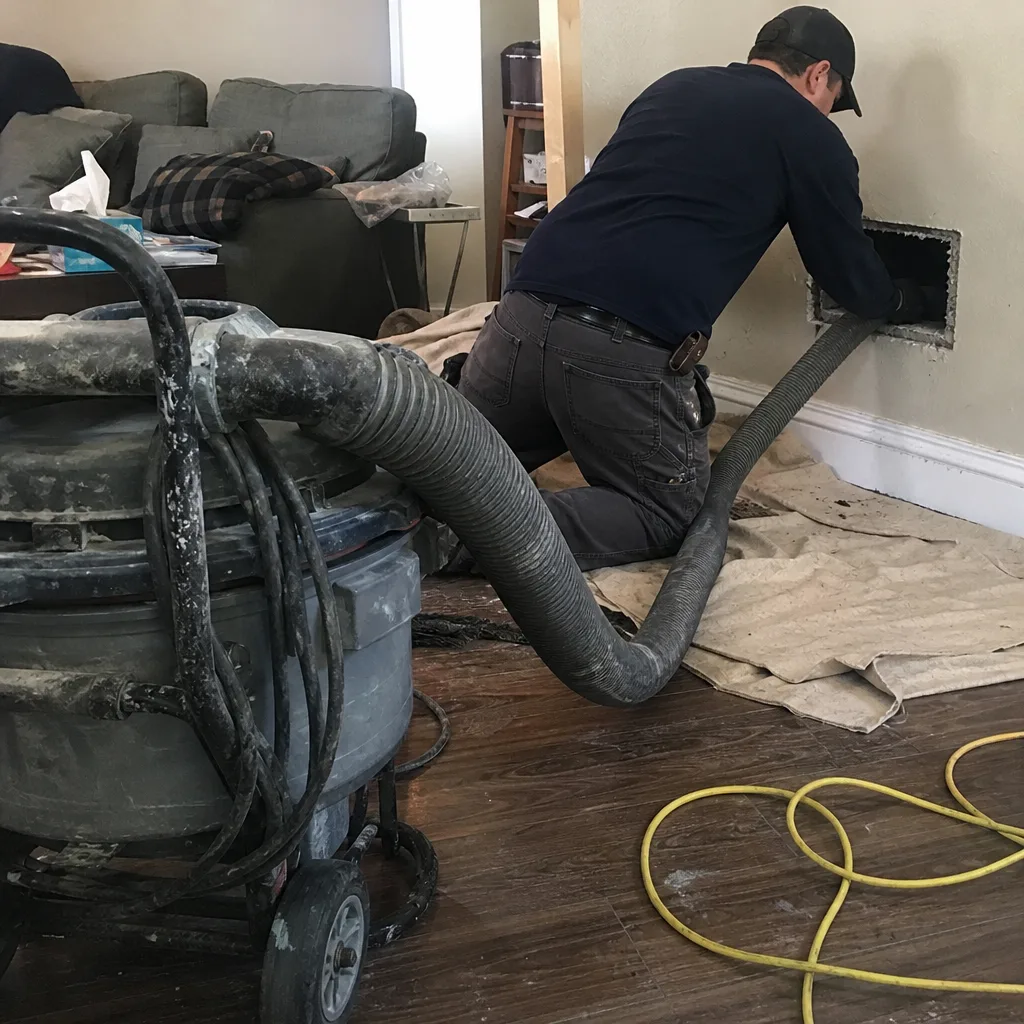 Before
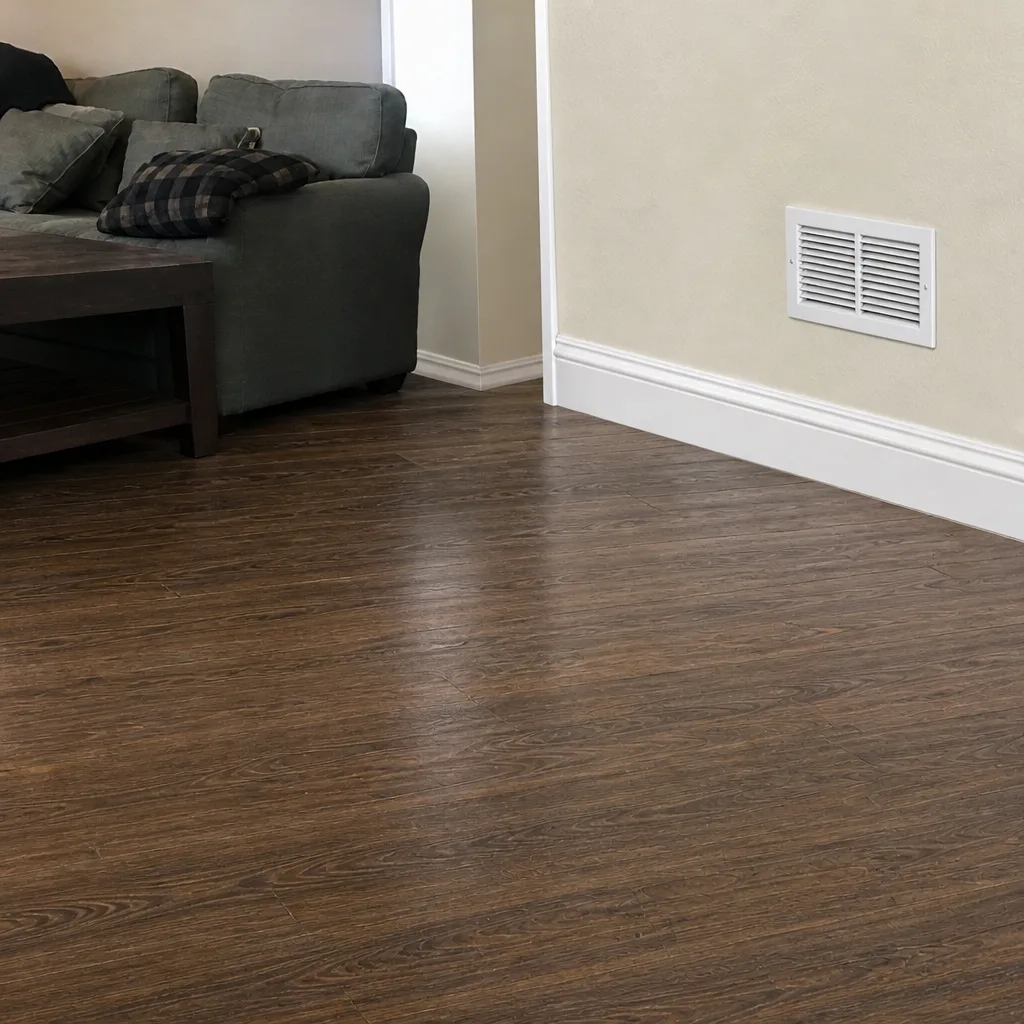 After
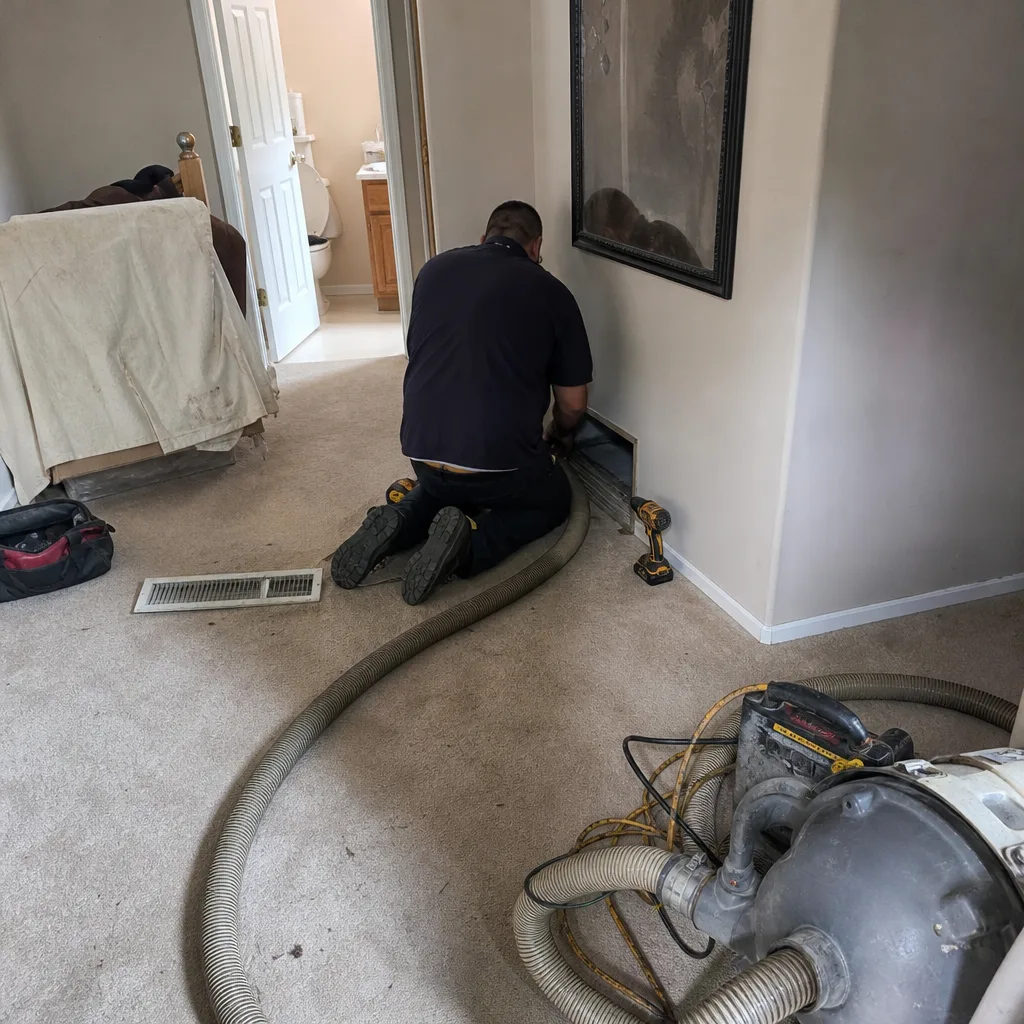 Before
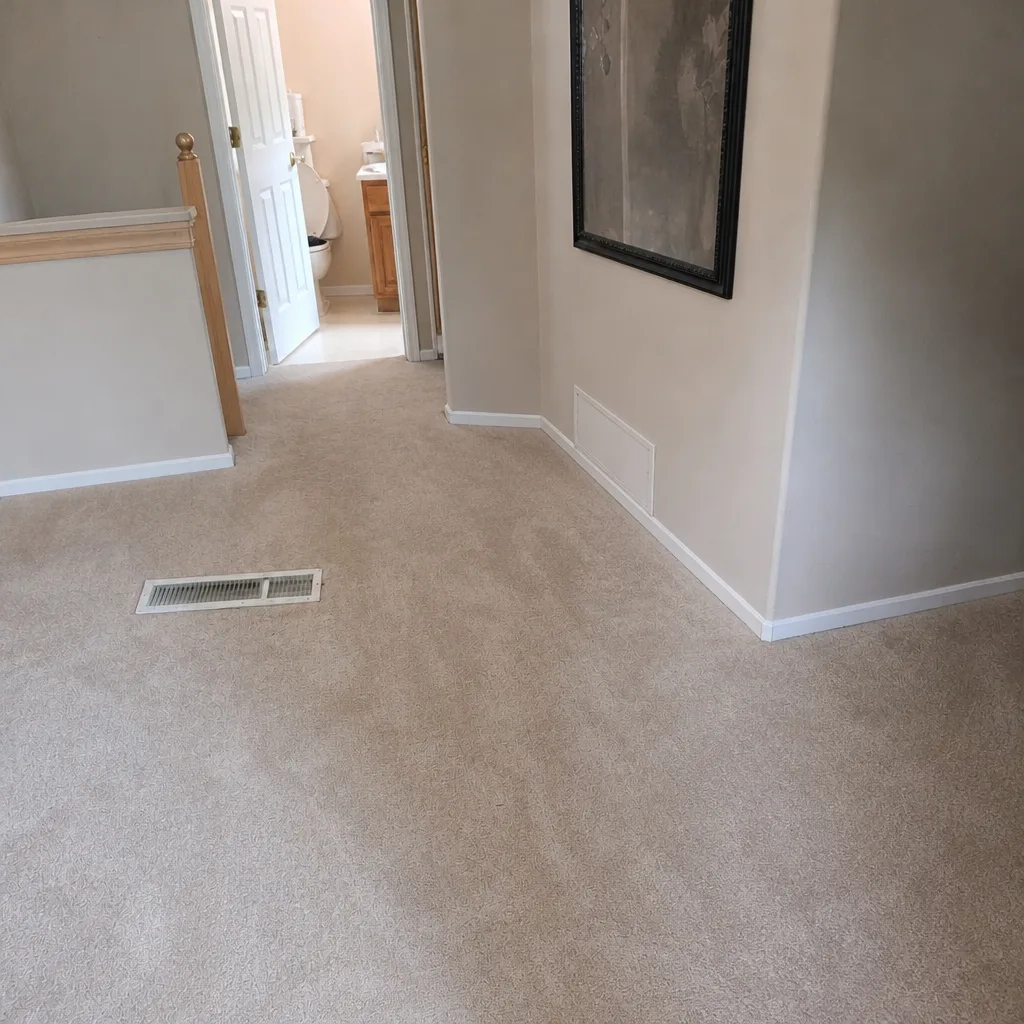 After
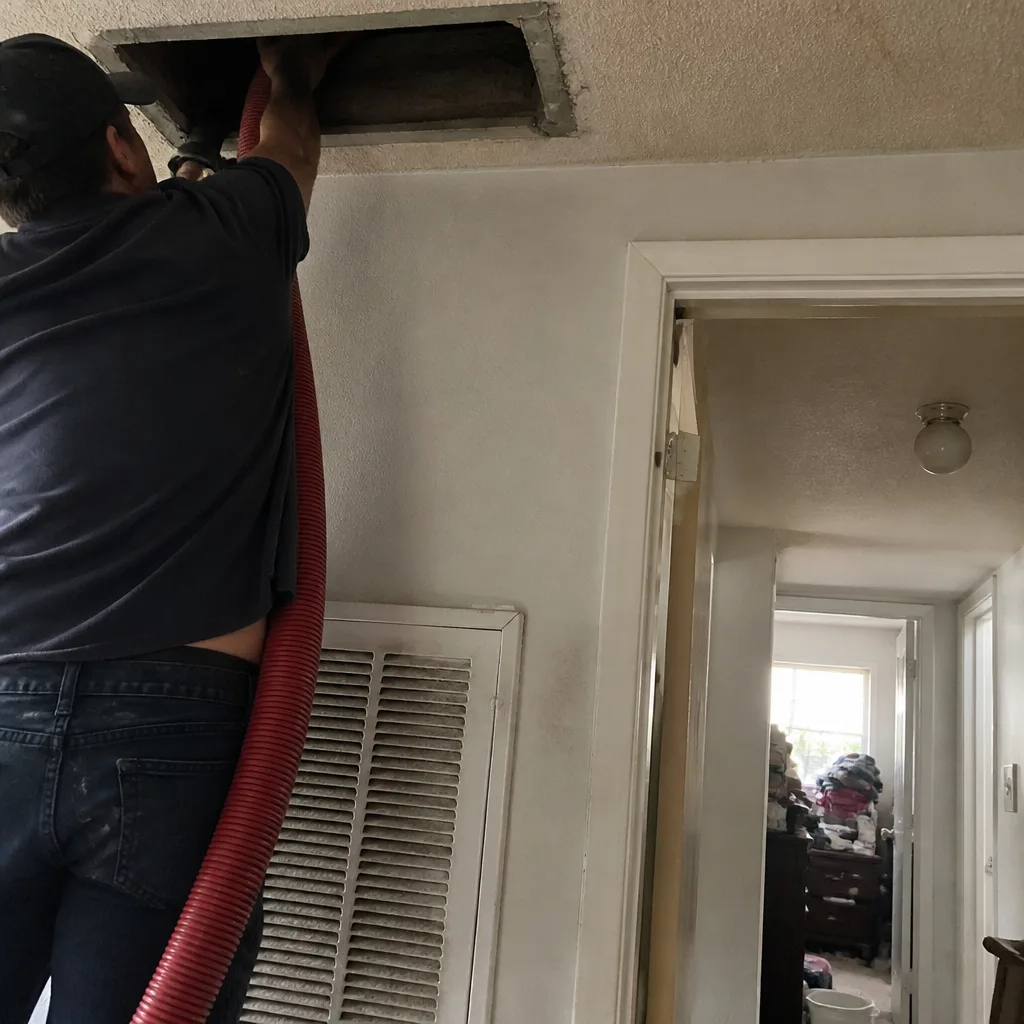 Before
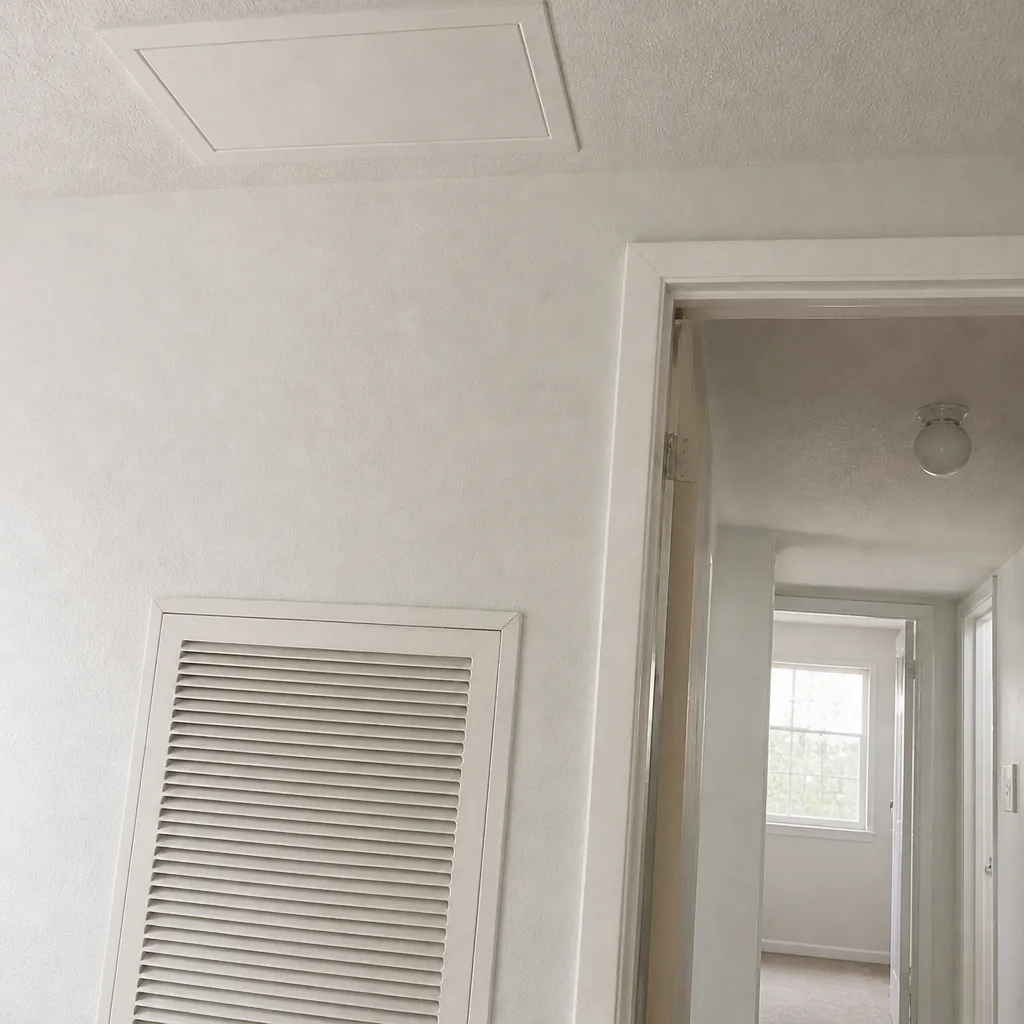 After
Frequently Asked Questions
Most Centennial homes do well with a professional cleaning every two to three years when matched to the seasons, though the exact interval depends on pets, allergies, and nearby open space. The key is timing the cleaning to late spring and doing a fall inspection rather than following a rigid multi-year rule. Call (877) 820-8053 for an exact quote, and ask about a baseline inspection if you don’t have a cleaning history.
Air duct cleaning in Centennial is priced per system, not per vent, and the written estimate you receive before work starts is the price you pay. The exact figure depends on the size of the system and what it needs, so the estimate is the honest number. Call (877) 820-8053 for a free estimate and a written price before anything begins.
Cheap quotes usually reflect a compressed-air blow-out with no real debris extraction, which stirs dust into the air and lets it settle back into the ducts. The reliable approach is mechanical contact cleaning with a brush-and-vacuum system and HEPA-rated vacuum capture, which takes longer and costs more to do correctly. Ask what equipment and process a quote includes, and call (877) 820-8053 for one flat price per system agreed before work starts.
You know the work was done when the technician shows you before-and-after photos of your own ducts, so you’re seeing what changed rather than taking it on faith. A legitimate service will document the work and explain what was found. Call (877) 820-8053 to schedule, and ask about the before-and-after record as part of the visit.
Yes. A dryer vent handles hot, lint-laden air and is a recognized fire risk when it clogs, which is why it deserves its own service rather than being lumped in with air ducts. A dryer taking longer to dry a load is the most common sign it needs attention. Call (877) 820-8053 to add dryer vent cleaning to a seasonal visit.
Late spring into early summer is generally the best window, after snowmelt humidity has passed and pollen has dropped but before the heavy smoke season. It clears the winter dust and spring moisture and leaves clean ducts going into summer. Call (877) 820-8053 to book a late-spring visit, or to schedule a fall pre-heating inspection if you’re getting ahead of heating season.
The Bottom Line
Seasonal duct care works because each part of the year stresses your duct system in a specific way. Spring brings snowmelt humidity that invites mold in return-air runs. Summer loads the ducts with submicron smoke that slips past standard filters. Fall is the moment to inspect and seal before the gas furnace fires up. Winter dries the air, builds static, and coats the duct walls in clinging dust. Match your action to the season, pair cleaning with the right filtration and humidity control, and treat dryer vent safety as part of the picture. That steady rhythm keeps the system ahead of the next stress period instead of always catching up. If you’d like a seasonal plan built around your home, we’re glad to help.
Contact
Call (877) 820-8053 for a free estimate from Centennial Air Duct Cleaning Pros. We answer 24/7. Fast dispatch from 7am to 7pm, Sunday through Friday. One flat price per system is agreed before work starts, and you’ll get before-and-after photos of your own ducts so you know exactly what changed.
Written by the team at Centennial Air Duct Cleaning Pros.