
Last updated November 23, 2026
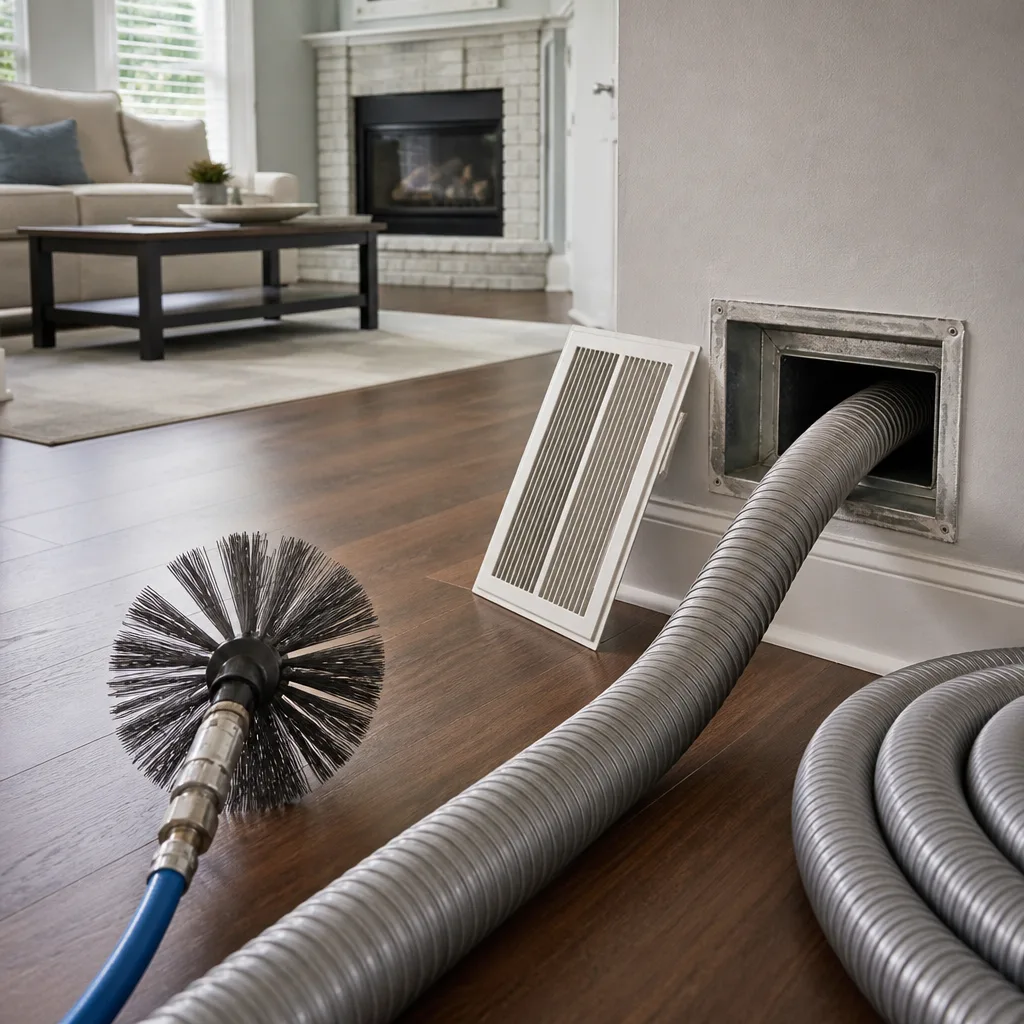 Whole-home duct cleaning
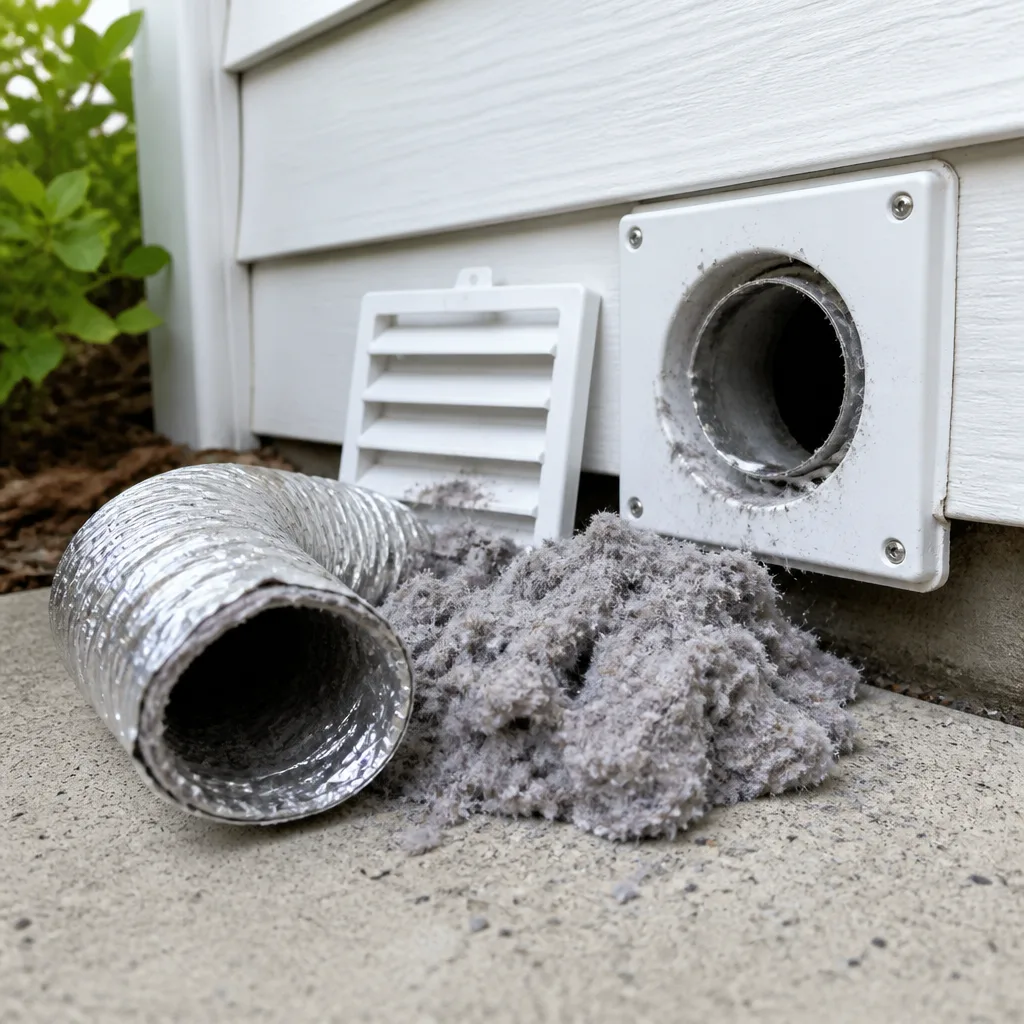 Dryer vent cleaning
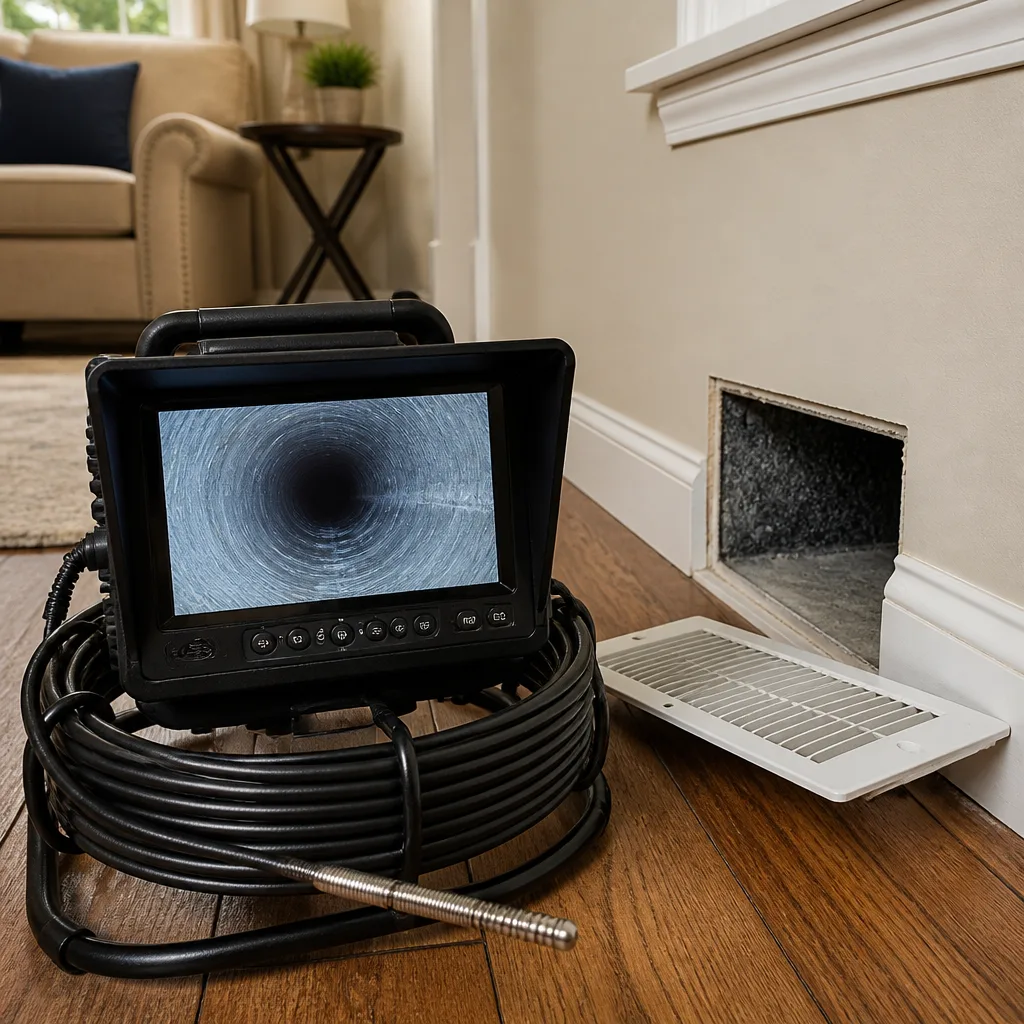 Camera inspection
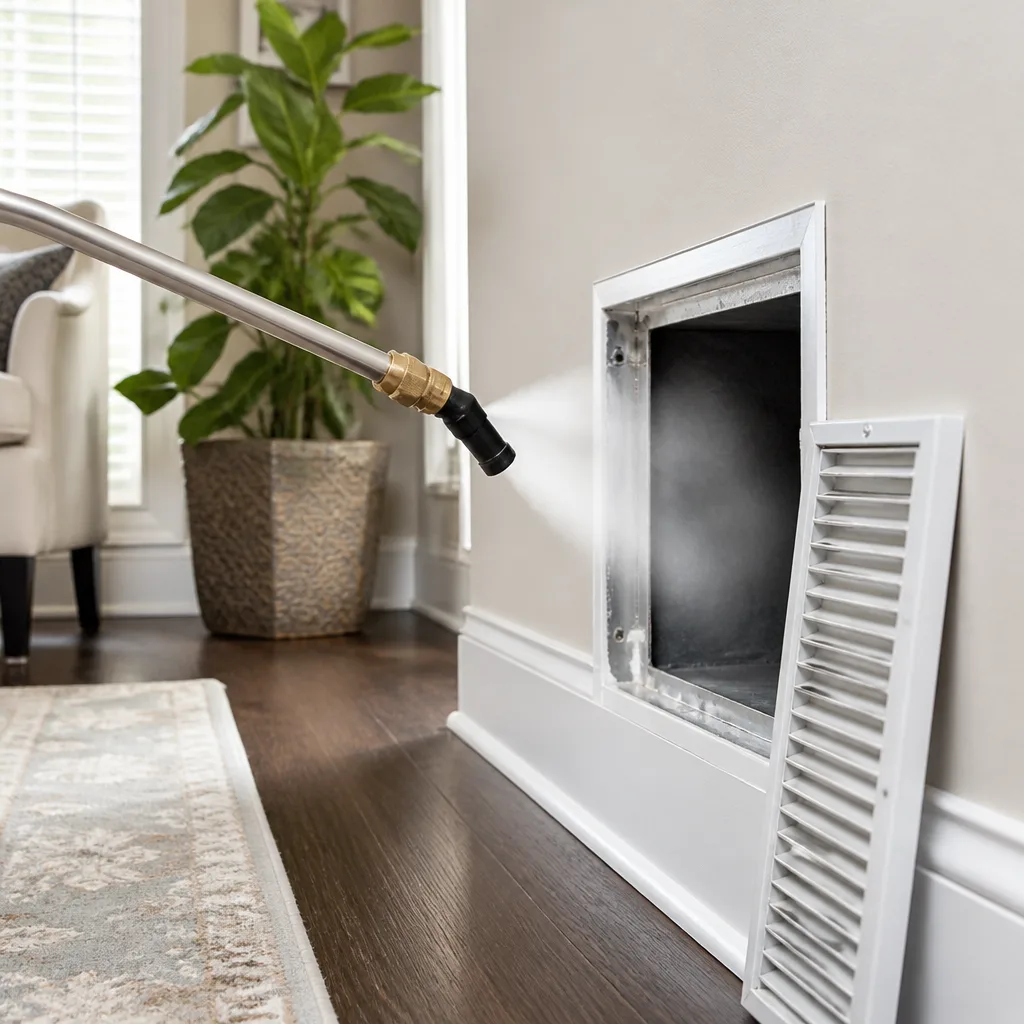 Sanitizing & deodorizing
Whole-system duct and dryer vent check with before-and-after photos - you see exactly what came out of your vents
That "$99 whole-house special" is a bait ad - the real number appears once they are in your hallway, or the "clean" is a shop-vac at the register. We photograph the inside of your ducts before and after instead.
Air Duct Cleaning Maintenance Checklist for Centennial Homeowners
Most homeowners change their filter and figure the ducts are handled. Here’s the problem: a clogged filter doesn’t trap everything. Once it loads up, air takes the path of least resistance and the particles that should have been caught get pulled deeper into the duct system, settling on plenum walls, turning vanes, and register boots where no filter will ever reach them. The filter is doing its job right up until it isn’t, and the ducts absorb the difference. What follows is a trackable maintenance checklist built around how homes in Centennial actually run: the seasonal particulate load from spring pollen and summer wildfire smoke, the runtime hours a furnace or AC logs through a Front Range year, and the age of your home’s ductwork. You’ll get separate monthly, quarterly, and annual tasks, a simple way to inspect registers without tools, and clear thresholds for when a finding calls for a professional look.
Quick Answer
A practical air duct maintenance checklist in Centennial runs on three rhythms: monthly filter checks and register walk-throughs, quarterly runtime-hour logging and seal inspections, and an annual professional assessment of the full duct system. The goal isn’t a single cleaning event. It’s catching the conditions that shorten duct life and degrade air quality before they compound.
Styles & brands we work with
- Whole-home duct cleaning
- Dryer vent cleaning
- Camera inspection
- Sanitizing & deodorizing
Table of Contents
- Monthly Tasks: The Ten-Minute Check
- Quarterly Tasks: Runtime, Seals, and Coils
- Annual Tasks: The Professional Assessment
- How to Inspect a Register Without Tools
- Choosing a MERV Rating for Centennial’s Smoke and Pollen Seasons
- Logging HVAC Runtime Hours as a Duct-Load Proxy
- When a Finding Means Inspection vs. Full Cleaning
- Common Mistakes to Avoid
Monthly Tasks: The Ten-Minute Check
Monthly maintenance is about pattern recognition, not deep work. You’re looking for change. A register that looked fine in March and looks dusty in June is telling you something about filter performance or a leak upstream. Ten minutes once a month, ideally on the same day so it becomes habit, catches most early warning signs.
- Check the filter, don’t just glimpse it. Pull it out and hold it to a light. If you can’t see through it, it’s done. In Centennial’s spring pollen window, that may be every three to four weeks. Through the summer smoke season, check more often than you think.
- Walk every register with a flashlight. Look at the grille face and the visible boot interior. Note dust buildup, dark streaking, or visible debris.
- Listen at each register while the system runs. A whistle or hiss points to restriction or a loose joint. A rattle points to a failing seal or a duct that’s come loose from its hanger.
- Smell the supply air. Musty or dusty odors that persist after a filter change are worth writing down. They often trace to moisture or a dirty evaporator coil, not the ducts themselves.
- Log what you see. A notebook or a phone note with the date is enough. Patterns matter more than any single observation.
For homes around the Willow Creek and Cherry Creek Vista areas, where many HVAC systems have seen a long run of service, monthly notes build a useful history. After a few months you’ll know which rooms run dusty and which stay clean, and that tells a technician where to look first.
Quarterly Tasks: Runtime, Seals, and Coils
Every three months, step up the depth. This is where you check the conditions that drive duct load over time: how many hours the system has actually run, whether the duct envelope is still sealed, and whether the cooling coil is shedding water the way it should.
- Record runtime hours. A smart thermostat usually logs this. If yours doesn’t, note the approximate daily on-time by season and multiply. You’re building a number, not a perfect one.
- Inspect accessible duct joints and seams. Look for gaps at plenum connections, taped joints that have dried and lifted, and flex duct that’s sagged or kinked. A sagging flex run restricts airflow and collects dust at the low point.
- Check the condensate path. In summer, the AC coil produces water. A slow drain or a pan that isn’t clearing properly creates the damp conditions that feed microbial growth inside the air handler and the ducts downstream of it.
- Look at the return grilles. Returns carry the heaviest particulate load because they pull from living space. A return that’s visibly gray is doing its job, but it’s also a reminder that the air it’s pulling is loaded with what your filter didn’t catch.
- Confirm the dryer vent is clear. This one isn’t part of the HVAC system, but it belongs on any quarterly list. Lint accumulation in a dryer vent is a fire risk, and it builds faster than most people expect. If you haven’t had it professionally cleared, put it on the schedule. Our dryer vent cleaning service exists precisely because so many air duct companies leave this out.
Quarterly checks are also the right time to note whether your system has developed a persistent imbalance: one room warm, another cold, with no obvious thermostat cause. That’s often a duct sealing issue, not a duct cleaning one.
Annual Tasks: The Professional Assessment
Once a year, bring in a professional for a full-system look. Not necessarily a full cleaning every year, but an assessment. A trained technician can see inside the plenum, the trunk lines, and the air handler in ways a homeowner with a flashlight cannot. The annual visit is where you find out whether last year’s monthly notes were pointing at something real.
What a proper annual assessment covers:
- Mechanical cleaning where needed. Contact-based cleaning with brush-and-vacuum systems, not a compressed-air blow-out that just redistributes debris. We use Rotobrush mechanical brush systems on the jobs we run, and the difference between contact cleaning and a blow-out is visible in what comes out of the system.
- HVAC cleaning. The air handler, blower, and coil are part of the same system. Cleaning the ducts without addressing the components that move air through them leaves the job half done. That’s why our scope includes HVAC cleaning as a standard part of the annual rhythm.
- Duct sealing. Leaky ducts waste conditioned air and pull in unconditioned air from attics and crawl spaces. Sealing is often the highest-value fix on the list for older Centennial homes.
- Air quality follow-through. Where the inspection reveals a filtration or humidity gap, we can recommend and install Aprilaire and Honeywell indoor air quality products so the system is improving air quality continuously, not only on cleaning day.
Cost is per system, set by a written estimate before work starts. You’ll know the scope and the price before anyone touches a duct. Call Centennial Air Duct Cleaning Pros to book the annual assessment if you’d rather not guess at what the monthly notes mean.
How to Inspect a Register Without Tools
A register inspection needs no tools and takes about thirty seconds per vent. The goal is to catch early warning signs between professional visits. You’re not diagnosing anything. You’re collecting observations that inform the next professional conversation.
- Remove the grille. Most pop off or lift out with a finger tab, no screwdriver needed on most styles.
- Shine a flashlight into the boot. Look for the dust line. A uniform light film is normal. A heavy dark coating, especially one that looks greasy or velvety, is worth noting.
- Check the seam where the boot meets the duct. Gaps here are common and easy to miss. Run a fingertip around the edge; you’ll feel an air leak readily at the boot perimeter.
- Look for streaks fanning out from the grille. That pattern indicates air bypassing the filter and carrying particulates through the register.
- Smell the vent air with the system running. Note any odor in your log. Odors that change with the season may be moisture-related; odors that are consistent may be debris or microbial buildup.
Homes along the eastern edge of Centennial near the Parker and Smoky Hill corridors often show heavier register dust through summer, when open windows and high particulate days coincide. It’s not a defect. It’s a condition to track.
Choosing a MERV Rating for Centennial’s Smoke and Pollen Seasons
MERV rating selection is a balance. Higher MERV captures more particulate, but too high a rating on a system not designed for it restricts airflow, which can strain the blower and reduce efficiency. In Centennial, the right rating changes with the season.
- Spring pollen window: A MERV 8 to 11 filter handles typical tree and grass pollen well. Most residential systems handle MERV 11 without measurable airflow penalty.
- Summer smoke season, typically July through September: This is when finer particulate from wildfire smoke matters. Stepping up to MERV 13 for these weeks can make a measurable difference in what reaches living space, provided the system’s blower can handle the pressure drop. Check your air handler’s maximum filter rating before stepping up.
- Winter heating season: Back to MERV 8 to 11, changed on the cadence your monthly checks suggest. Cold months on the Front Range bring fewer outdoor particulates but dust from the heating cycle still moves through the system.
The common mistake is buying a high-MERV filter and leaving it in too long. A loaded MERV 13 filter is worse than a fresh MERV 11: it restricts more airflow and lets more air bypass. Change it, and let monthly checks decide when.
If the seasonal filter strategy isn’t enough to keep indoor air where you want it, whole-home filtration systems from Abatement Technologies and brand-matched Aprilaire filters can address the gaps that filter swaps can’t reach. We’ve installed enough to know where the line is between “filter better” and “improve the system.”
Logging HVAC Runtime Hours as a Duct-Load Proxy
Runtime hours tell you how hard your duct system is actually working, which is a better planning input than the calendar alone. Two homes of the same size in Centennial can have wildly different duct loads depending on occupancy, pets, and how the thermostat is set.
How to log it:
- Check your thermostat’s runtime report. Most modern smart thermostats log daily or weekly runtime hours. Note the figure monthly.
- If you have no runtime report, approximate. Watch the hour meter or use a stopwatch on a typical day, and multiply by season. The exact number matters less than the trend.
- Adjust for occupancy and pets. A home with two dogs and a family of four generates noticeably more particulate load than a retired couple in the same square footage. Multiply the runtime by a rough factor for your household: 1.2 to 1.5 for pet-heavy or large-occupancy homes is a reasonable mental adjustment.
- Watch the trend across a year. A rise in runtime hours without a rise in demand often means the system is working harder because ducts have lost sealing or a coil has fouled. That’s a call to a professional.
In practice, homeowners who log runtime alongside monthly register checks build a picture that tells their technician exactly where to focus. It’s a small habit that shortens diagnosis considerably.
When a Finding Means Inspection vs. Full Cleaning
Not every observation needs a cleaning. Some need an inspection. Some need nothing. Here’s how to sort them.
- Light uniform dust at registers: Nothing to do beyond the monthly checks. Expected.
- Dark streaking or a heavy velvety coating at multiple registers: Inspection. Could be filter bypass, a dirty coil, or microbial growth. Needs eyes on it.
- Persistent musty odor in supply air after a filter change: Inspection, and prioritize it. Odor that doesn’t clear usually points to moisture.
- Visible debris or pest evidence inside a boot: Inspection. Possibly cleaning, depending on extent.
- Rising runtime with no obvious thermostat cause, or rooms that never reach temperature: Inspection. Likely duct sealing, not cleaning.
- Diagnosed heavy microbial growth, a recent water event, or documented contaminant spread: Full cleaning, likely with sanitizing. This is where air duct cleaning is the right scope.
- Never professionally cleaned with no other symptoms: Assessment, and decide based on what’s found. Duct cleaning isn’t an automatic need, but the system deserves a look.
Our rule of thumb: clean when there is something specific to remove. Inspect when there isn’t. If a technician recommends a full cleaning without an inspection, ask why.
Common Mistakes to Avoid
- Assuming a filter change is duct maintenance. Filters catch what they can, but once loaded they let finer particulate bypass and travel deeper. The ducts need their own schedule.
- Buying the highest MERV filter on the shelf. A filter your system wasn’t designed for restricts airflow and can wear the blower. Match the filter to the air handler’s rating, especially during Centennial’s smoke season.
- Hiring for a “blow-out.” Compressed-air cleaning just moves debris around. Mechanical brush-based cleaning dislodges and extracts it; ask any company what equipment they use before they start.
- Skipping the dryer vent. Lint accumulation is a genuine fire risk, and most air-duct-only shops don’t offer the service. It belongs on the annual list, not just the occasional one.
- Ignoring the air handler. Cleaning ducts but not the coil or blower leaves the source of downstream contamination in place. Ask about HVAC cleaning as part of the scope.
- Not logging anything. Observations without dates are just memories. A simple note-building habit makes the next professional visit far more productive.
- Treating annual cleaning as mandatory. Clean when there’s a finding. Inspect on the regular cycle. Conflating the two leads to unnecessary work.
See the difference
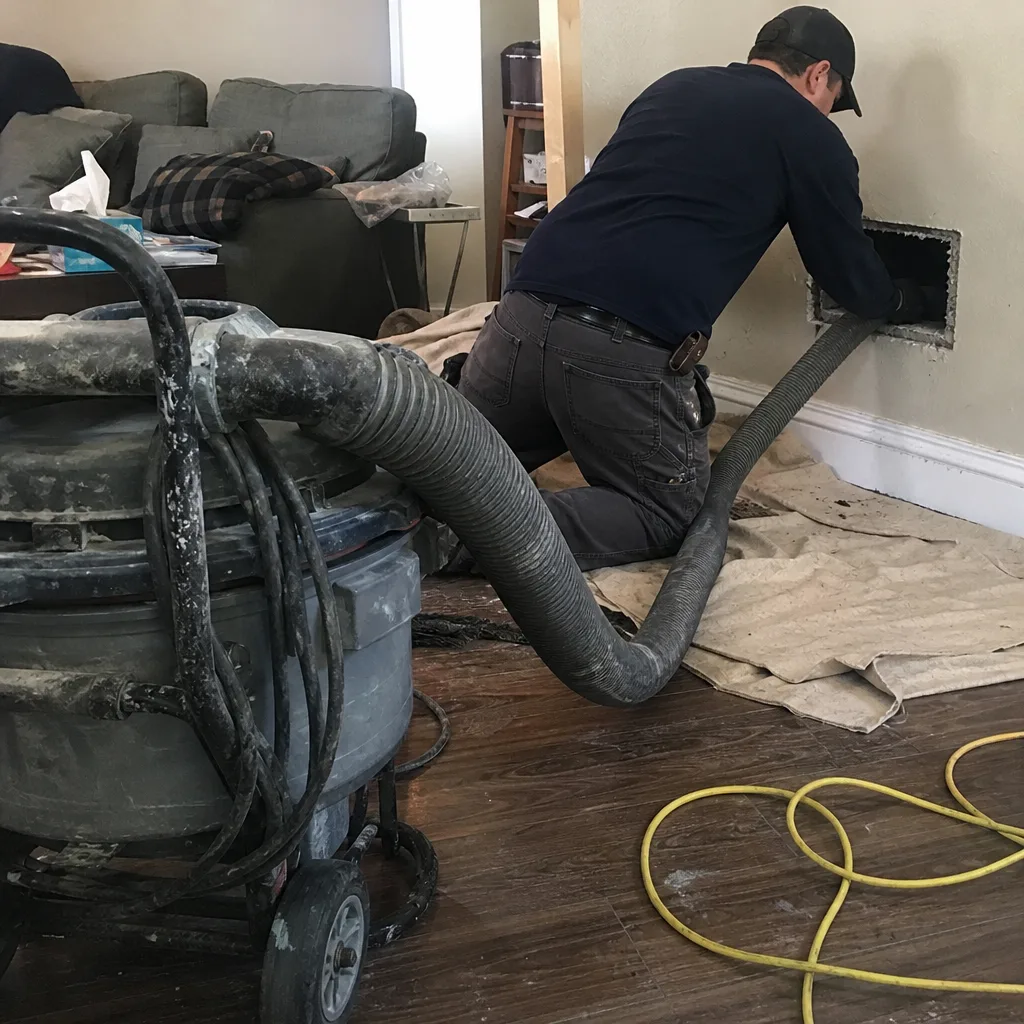 Before
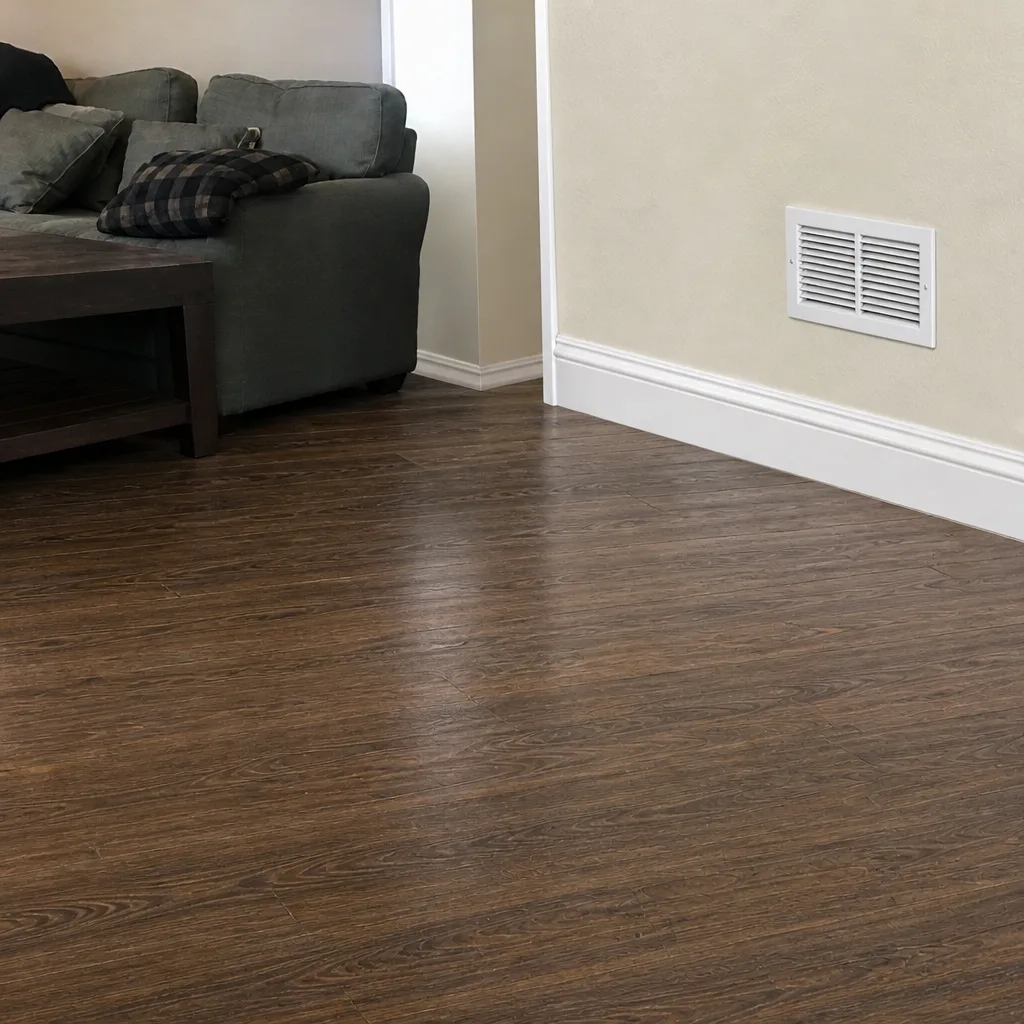 After
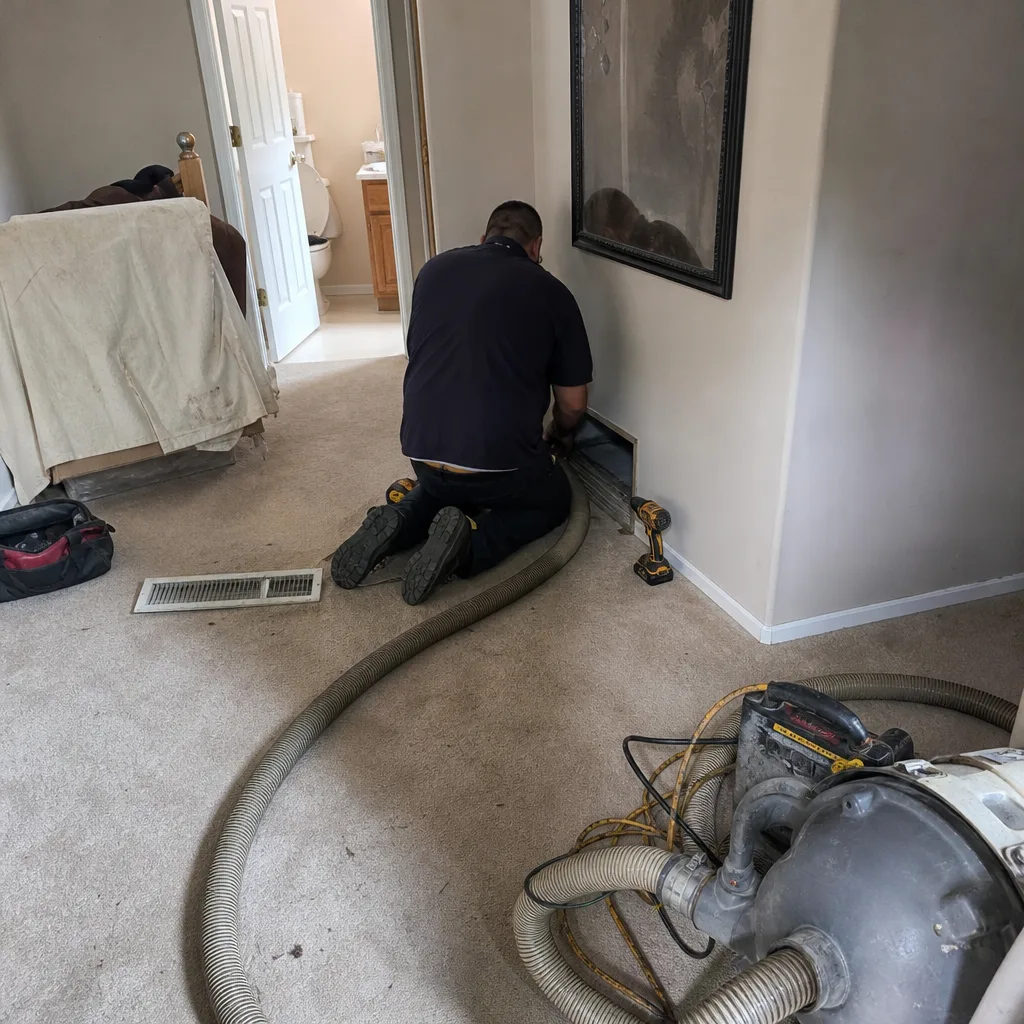 Before
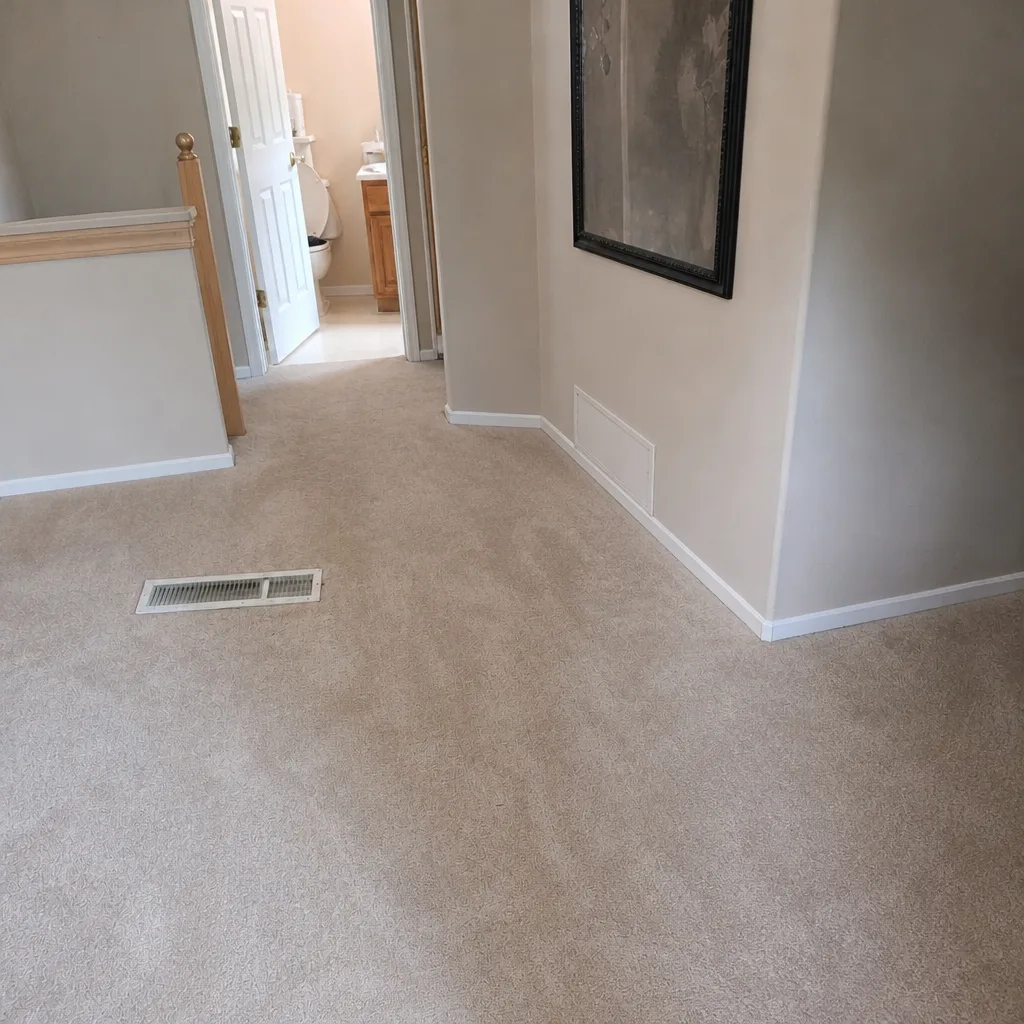 After
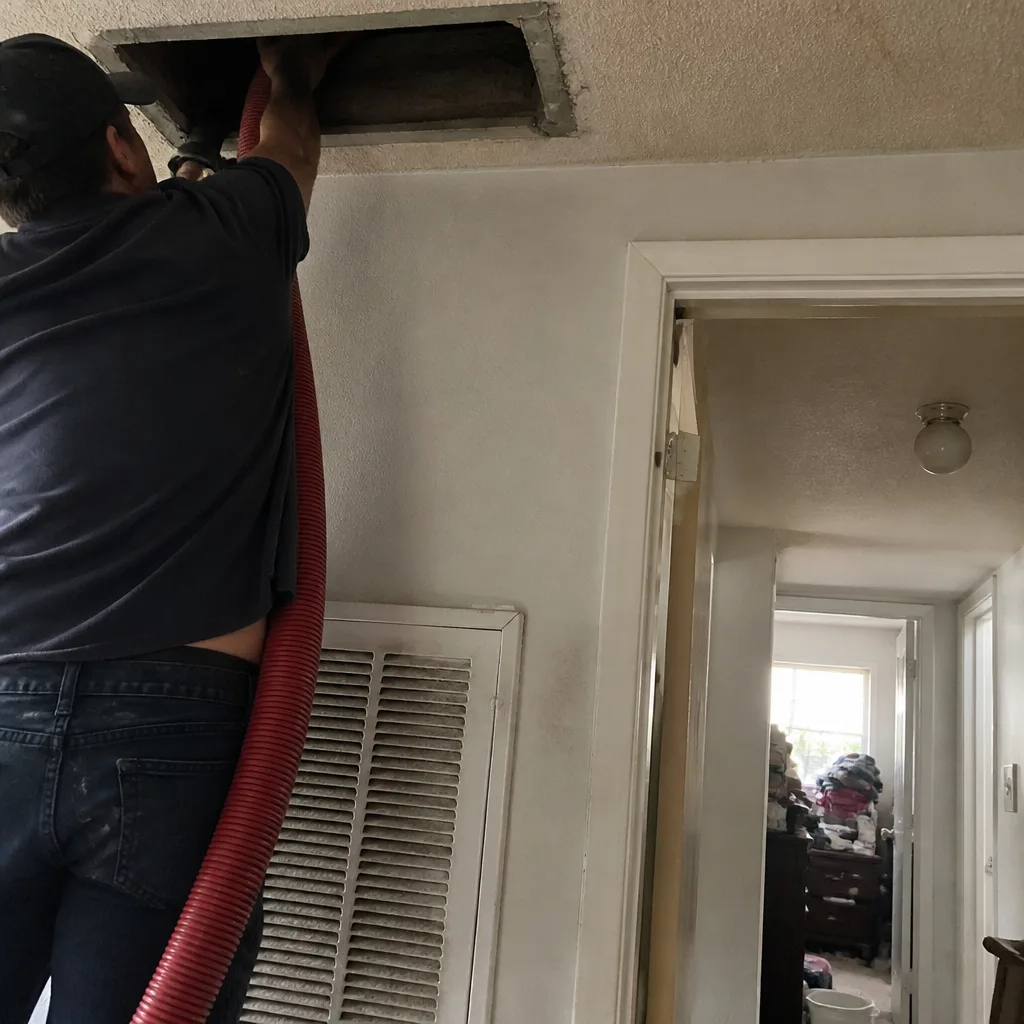 Before
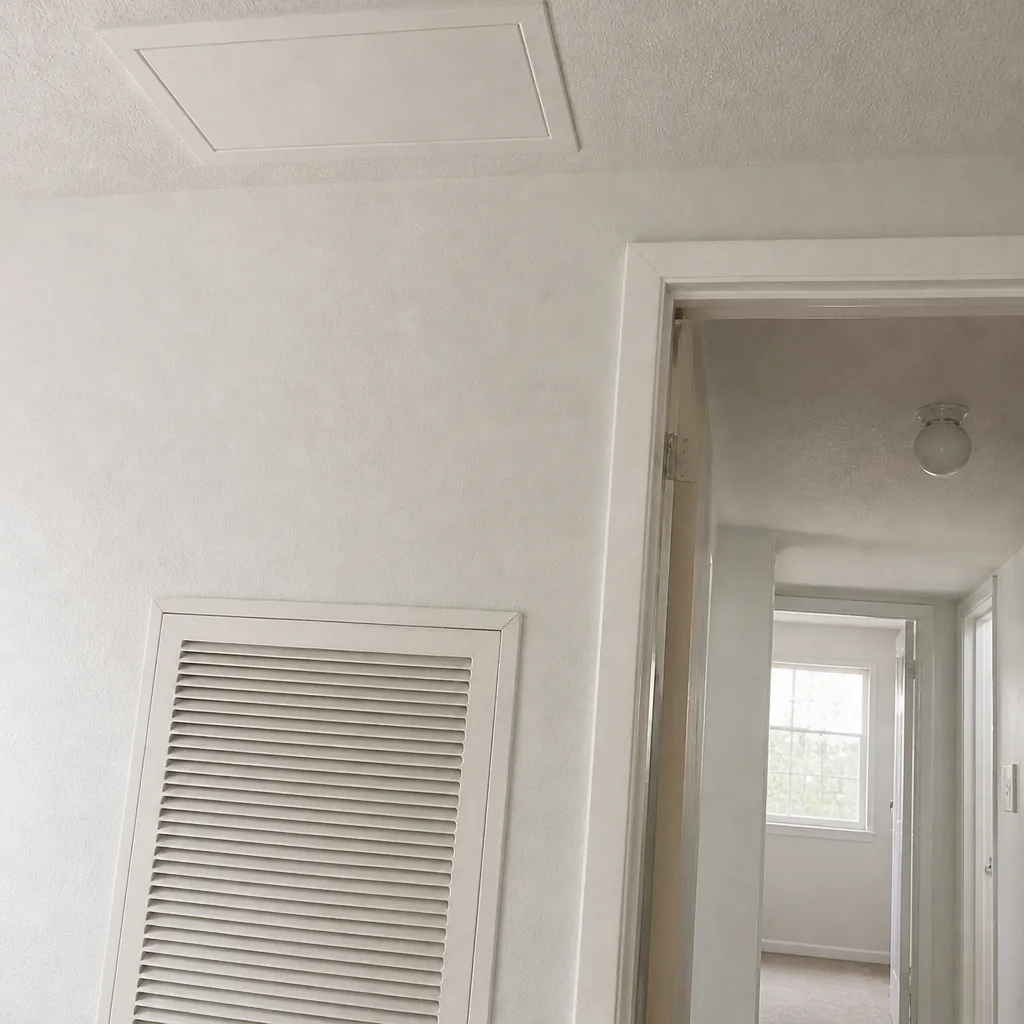 After
When to Call a Professional
Call when the checklist turns up a finding you can’t classify: persistent odors, visible microbial growth, rising runtime with no thermostat cause, or a register pattern that’s clearly changing. Call after a water event, a rodent or pest issue in the ducts, or a renovation that generated heavy dust. Call if you’ve never had the system professionally assessed and your home is older than fifteen years. Call if the dryer vent hasn’t been cleared in a while. Centennial Air Duct Cleaning Pros offers free estimates in Centennial. Call (877) 820-8053. We answer 24/7. Fast dispatch from 7am to 7pm, Sunday through Friday. Whatever the checklist is telling you, we can look at it and give you a clear scope and a written price before any work starts.
Frequently Asked Questions
Most Centennial homes benefit from a professional assessment annually and a full cleaning every three to five years unless a specific finding (odor, microbial growth, water event, pest issue) triggers an earlier cleaning. Duct cleaning isn’t a fixed-interval service. It responds to the conditions your monthly and quarterly checks reveal. Call (877) 820-8053 for an exact quote on your system; estimates are free.
No. A filter catches particulate until it loads, then air bypasses it and carries what it can’t catch deeper into the system. Filter changes are one task on the checklist. Duct cleaning, sealing, and HVAC cleaning are separate lines on the same list. Call us for a system assessment: (877) 820-8053.
A MERV 13 filter during the July through September smoke window captures finer wildfire particulate, provided your air handler is rated for it. Confirm the maximum MERV rating on your system first. For the rest of the year, a MERV 8 to 11 handles typical pollen and dust load. If filtration alone isn’t enough, whole-home solutions from Aprilaire may fit your system. Call (877) 820-8053 for a free estimate on filtration upgrades.
Ask for before-and-after photos of your own ducts and confirm the cleaning equipment being used. Mechanical brush-and-vacuum systems with HEPA extraction, like Rotobrush paired with Nikro HEPA-rated vacuum units, capture dislodged material rather than redistributing it. If a company can’t tell you what equipment they’re bringing, that’s your answer. Call (877) 820-8053 to schedule a documented assessment.
Cheap quotes are usually either a compressed-air blow-out or a teaser price that expands once the technician is on site. Neither cleans the system. We price per system by a written estimate agreed before work starts, with no per-vent pricing and no surprise line items after the truck is in your driveway. Call (877) 820-8053 for a straight-quote estimate.
Yes, if it hasn’t been cleared recently. Dryer vent lint is a leading cause of residential fires, and most air-duct-only providers don’t include it. It’s a separate service here, but combining it on the same visit makes sense. Call us for a dryer vent safety check alongside your duct assessment.
The Bottom Line
Duct maintenance is not one appointment. It’s a rolling checklist tied to how your home runs: monthly register and filter checks, quarterly runtime logging and seal inspections, and a professional assessment once a year. In Centennial those rhythms shift with the seasons, from spring pollen through the summer smoke window and into the heating cycle. The filter is doing its job right up until it isn’t, and the ducts absorb the gap. A simple log builds history, and history turns a vague “should I clean my ducts” question into a specific, answerable one. Clean when there’s something to remove. Inspect when there isn’t.
If you’d like a professional eye on the full duct system, call Centennial Air Duct Cleaning Pros at (877) 820-8053 for a free estimate. We answer 24/7. Fast dispatch from 7am to 7pm, Sunday through Friday. Our technicians have up to 13 years of experience, and we come with the equipment to make any cleaning count.
Written by the team at Centennial Air Duct Cleaning Pros.