
Last updated November 23, 2026
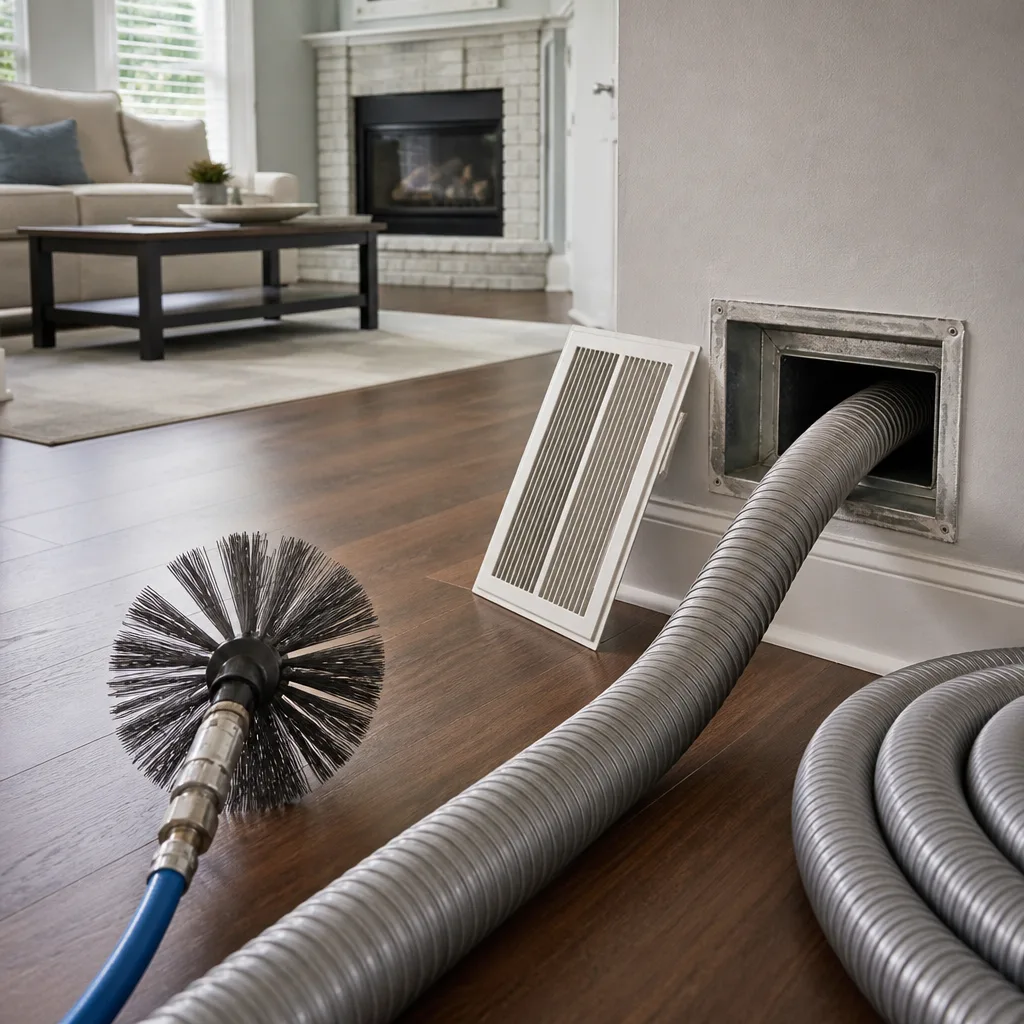 Whole-home duct cleaning
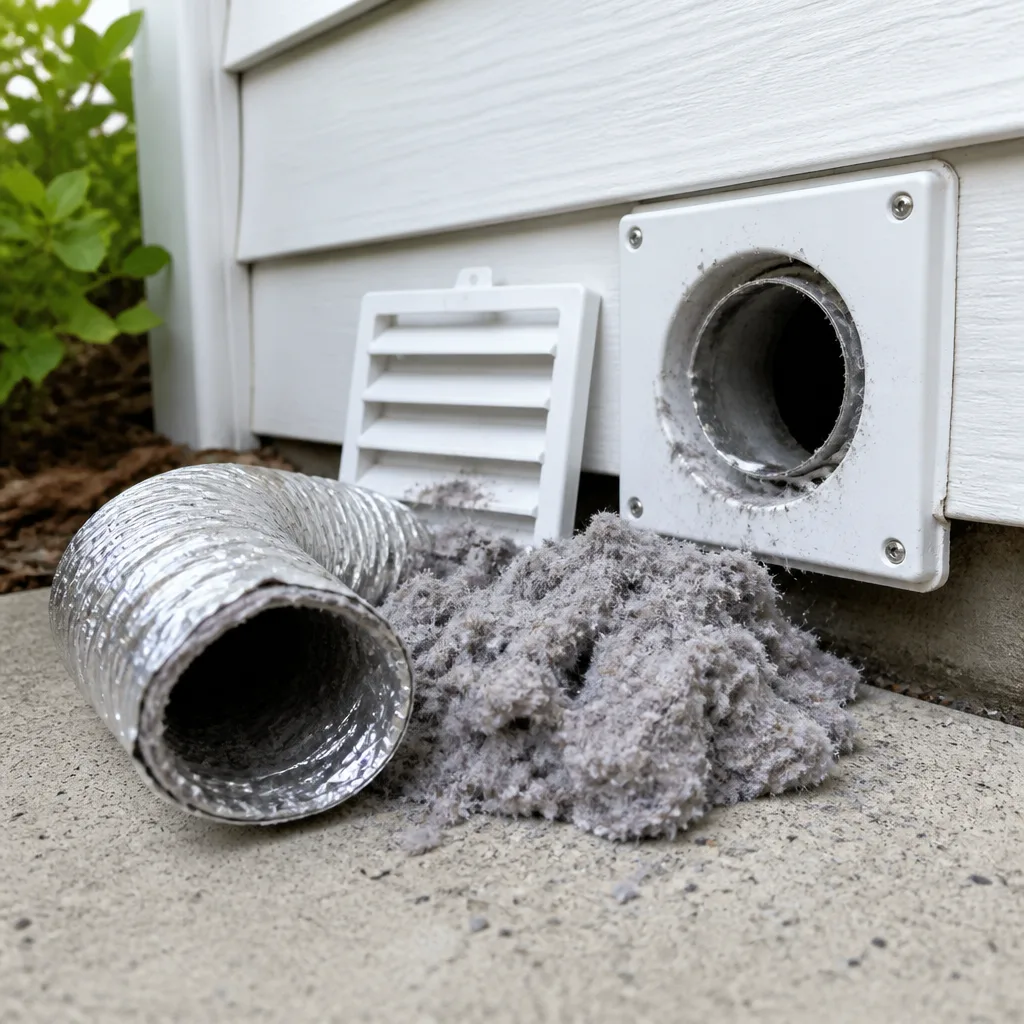 Dryer vent cleaning
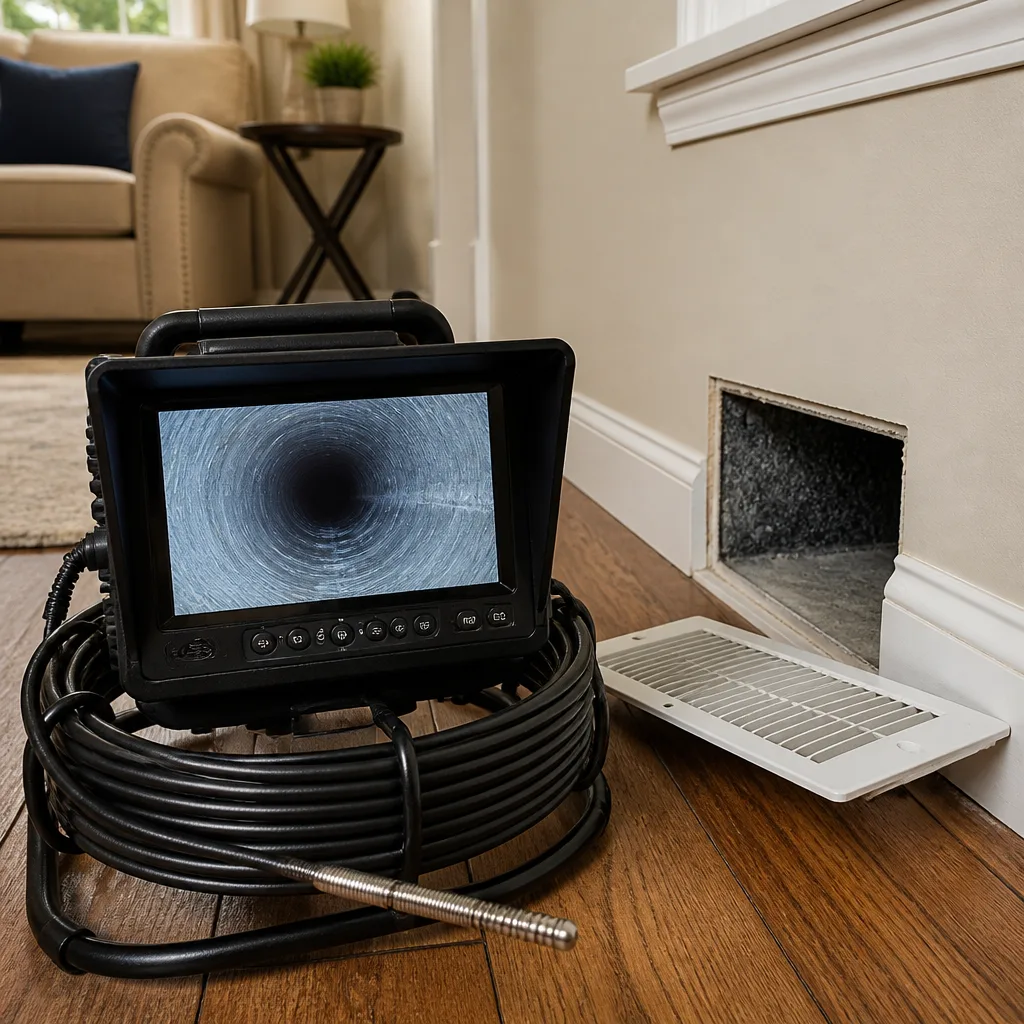 Camera inspection
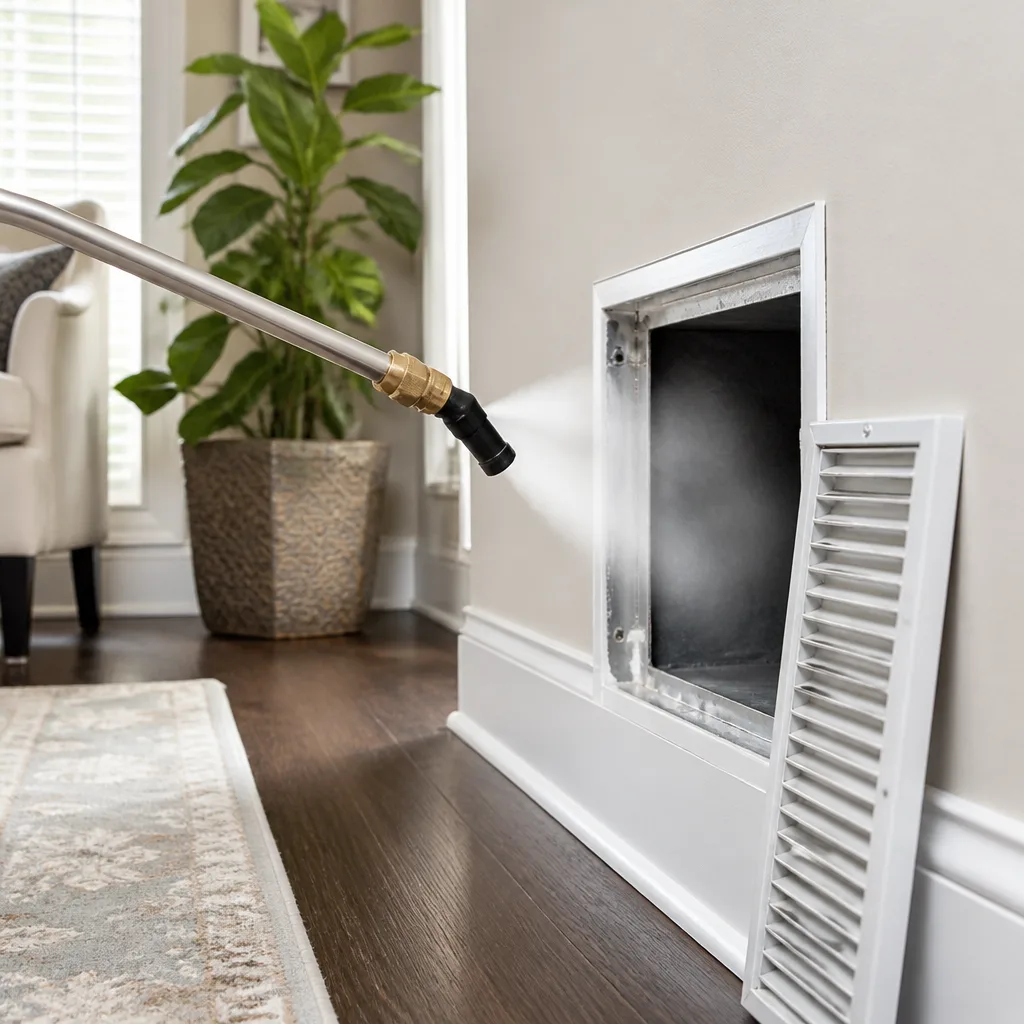 Sanitizing & deodorizing
Whole-system duct and dryer vent check with before-and-after photos - you see exactly what came out of your vents
That "$99 whole-house special" is a bait ad - the real number appears once they are in your hallway, or the "clean" is a shop-vac at the register. We photograph the inside of your ducts before and after instead.
The Complete Guide to Air Duct Cleaning in Centennial
Most homeowners picture air duct cleaning as a big vacuum sucking dust out of the vents. That picture is wrong in a way that matters. A truck-mounted vacuum alone, with nothing to break debris loose from the duct walls, removes only a fraction of what’s stuck in there. The discount crews know this, and they count on you not knowing it. A real cleaning is a sequence, and each step depends on the one before it. In this guide, we’ll walk through that sequence from inspection to sealed ducts, explain why Centennial’s high, dry climate makes the problem worse than it is in lower Front Range cities, and show you how to tell a genuine clean from a marketing clean before you pay anyone.
Quick Answer
Air duct cleaning in Centennial is a four-stage system process: camera inspection, mechanical agitation of the duct walls, negative-pressure HEPA extraction, and sealing of leaks found along the way. Skipping the agitation step leaves the majority of stuck-on debris in place no matter how strong the vacuum. A complete job ends with before-and-after video of your own ducts, not a handshake at the door.
Styles & brands we work with
- Whole-home duct cleaning
- Dryer vent cleaning
- Camera inspection
- Sanitizing & deodorizing
Table of Contents
- Why Centennial’s Climate Makes Duct Cleaning Different
- Source Removal vs. Blow-Out: The Difference That Matters
- What Contractor-Grade Equipment Actually Does
- The Four-Stage Process, Step by Step
- New Construction and Renovation Dust in Centennial’s Growing Suburbs
- What a Finished Job Should Look Like
- Dryer Vents: The Duct Service Most Companies Skip
- Repair, Sealing, and Air Quality Improvement After the Clean
Why Centennial’s Climate Makes Duct Cleaning Different
Centennial sits high on the Front Range, and that elevation changes how dust behaves inside a house. The air here is dry for most of the year, and dry air holds fine particulate longer instead of letting it settle out quickly. The result is that dust stays airborne in your living space longer, gets pulled into the return side of your system more often, and has more time to cling to duct walls before it drops. Ducts in Centennial accumulate material faster than ducts in the lower-elevation cities to the north.
There’s a second local factor: the seasonal swing. A Centennial home runs its furnace through a long heating season and its air conditioning through hot, dry summers, and each switch stirs up whatever has settled in the ducts over the previous months. The first cold snap and the first hot week are when people notice the smell, the dust on the registers, and the allergy symptoms that seemed to disappear for a while.
Newer neighborhoods across Centennial, from the areas around Centennial Center Park out toward the eastern edges of the city, sit on ground that gets worked over by construction traffic and wind. Fine soil and drywall dust from nearby building sites find their way into return grilles. None of this is cause for panic. It’s just the local reality, and it’s the reason a Centennial home often needs its first professional cleaning sooner than a homeowner expects.
What this means for your schedule
- Homes near active construction in Centennial tend to load up faster than settled neighborhoods.
- Dry, windy spring months push more particulate into return grilles.
- Homes with pets, carpet, or a family member with allergies hit the threshold sooner.
- Older Centennial homes with original flex duct or leaky seams collect debris at the joints.
Source Removal vs. Blow-Out: The Difference That Matters
Source removal means physically taking the contaminants out of the system and out of the house. It’s the standard the industry is built around, and it’s the only method that actually cleans. A blow-out is something different. Compressed air or a weak vacuum is run through the ducts, the loose dust goes into the air, and some of it settles back on the duct walls while the rest drifts into your rooms. You paid for movement, not removal.
Here’s the part that gets missed in most marketing copy: even a powerful truck-mounted vacuum, without mechanical agitation, leaves the majority of stuck-on debris where it is. The grime that clings to duct walls has to be broken loose by contact. That’s why we run mechanical brush systems as the core of every job rather than treating the vacuum as the whole tool kit.
Three signs you’re looking at a blow-out, not a cleaning
- No access holes are cut or opened. A real clean needs access to the trunk and branch runs. If nobody opened anything, nothing got cleaned.
- No mechanical agitation tool appears. A shop vac hose waved at a register is not agitation. Look for a rotary brush system or whip tool.
- No before-and-after documentation. If the crew can’t show you camera footage of the inside of your ducts, you have no way to know what happened.
When you book air duct cleaning with a company that leads with source removal, the questions above answer themselves before you ask them.
What Contractor-Grade Equipment Actually Does
The tool list is where a serious duct cleaner separates from a generalist with a vacuum. What we carry isn’t a marketing detail; it’s the reason the work gets done right. Here’s what each piece does on a Centennial job.
- Rotobrush mechanical brush systems. A rotating brush head travels the inside of the duct, contacting the walls and breaking loose the compacted dust, lint, and drywall residue that air alone can’t move. This is the contact step that most blow-out crews skip.
- Nikro HEPA-rated vacuum extraction. Once debris is dislodged, the extraction equipment has to capture it before it re-enters living spaces. HEPA-rated filtration does that. Without it, you’ve just moved the problem from the ducts to your air.
- Viper whips and specialized agitation tools. For flex duct and tighter branches, whips and brushes reach where a rotary head can’t. Different duct types need different tools, and a proper kit carries more than one.
- Abatement Technologies air scrubbers and filtration. For remediation-level work, sanitizing, and jobs where air quality concerns are high, this equipment brings commercial filtration into a residential job.
Our technicians have up to 13 years of experience with this equipment, and we treat the tool list as the standard, not an upgrade. You’ll notice the difference between a shop vac and a Rotobrush the moment you see the before-and-after footage.
The Four-Stage Process, Step by Step
A complete cleaning is a sequence. Each stage sets up the next, and skipping any of them leaves contaminants behind. Here’s how we approach Centennial Air Duct Cleaning Pros jobs from the moment we arrive.
- Inspection. Before any tool touches a duct, we run a camera through the main runs and branches to see what’s actually there. Dust load, moisture, debris type, duct material, and seal condition all get documented. The inspection tells us which tools to bring into the system and how long the job will take.
- Containment and negative pressure. We put the extraction unit on the system and bring the ducts under negative pressure so anything we disturb moves toward the vacuum, not into your rooms. This is the step discount crews cut short, and it’s the one that protects your air during the work.
- Mechanical agitation. A Rotobrush system runs the length of each run, contacting the walls and breaking loose debris. Whips and brushes handle the tighter branches. This is where the real cleaning happens. Everything before it is preparation; everything after is capture.
- Extraction and verification. With the debris loosened and pulled into HEPA filtration, we seal any access holes, document the runs on camera again, and walk through the results with you before we leave.
Notice that the vacuum runs through stages two, three, and four. It’s a support tool for the agitation step, not a replacement for it. That’s the structural point many homeowners miss when comparing quotes.
New Construction and Renovation Dust in Centennial’s Growing Suburbs
A newly built Centennial home can have the dirtiest ducts on the block. During construction, return and supply runs sit open while drywall is cut, sanded, and screwed into place. Fine drywall dust settles inside the system and stays there after the certificate of occupancy is signed. Homeowners move in, turn on the furnace, and immediately smell something they can’t identify.
Renovation produces the same problem on a smaller scale. A kitchen remodel or a basement finish pushes drywall dust, insulation fibers, and sawdust into the return side of the system, and much of it never reaches the filter. It settles on the duct bottom and on the seams, where a standard filter change won’t touch it.
Why this dust is a bigger deal than regular dust
- Drywall dust is fine and abrasive. It travels deeper into the system than ordinary household dust.
- It can clog the evaporator coil and reduce airflow, which makes the whole HVAC system work harder.
- It gets pulled into living spaces through supply registers, not just the return grille.
- It sets up as a hard layer on duct walls that a standard vacuum can’t lift.
If you’ve recently closed on new construction or finished a renovation in Centennial, a camera inspection before the first heating season is worth the call. Cleaning the system before the dust bakes on saves you a bigger job later.
What a Finished Job Should Look Like
You should be able to see the work. Not a verbal assurance, not a signed form, but actual footage of your ducts before and after. This is the single most reliable way to tell a real clean from a marketing clean, and it’s the reason we treat video documentation as part of the job rather than an extra.
Here’s what you should expect on a completed Centennial job:
- Before-and-after camera footage of your main trunk and at least the branches that got the heaviest load. If a company can’t produce it, ask why.
- A written summary of what was found and what was done, including which runs were cleaned, what tools were used, and where access was cut and resealed.
- Confirmation that access holes were sealed with proper tape or mastic after cleaning, not left open or taped with whatever is on hand.
- A debris check on the register grilles and coil so you’re not looking at dust on the vent face the next morning.
If a crew finished in twenty minutes and there’s no footage, you didn’t get a cleaning. You got a visit. The difference between those two outcomes is what this guide is meant to help you spot.
Dryer Vents: The Duct Service Most Companies Skip
Dryer vent cleaning is a fire-safety service, and most air duct cleaning companies don’t offer it. The lint that builds up inside a dryer vent line is highly combustible, and restricted airflow makes both the dryer and the vent run hotter. Dryer vent cleaning is a named core service for us because it belongs in the same conversation as the rest of your ductwork.
If you’ve ever noticed that a load of towels takes two cycles to dry, or the top of the dryer feels hot to the touch after a normal run, the vent line is one of the first places to look. When we run dryer vent cleaning on a Centennial home, we inspect the full run from the dryer connection to the exterior termination, not just the section we can reach from the wall.
Signs the dryer vent needs attention
- Clothes take longer than they used to, or need a second cycle to dry.
- The exterior vent flap doesn’t open fully or has visible lint accumulation.
- The dryer cabinet runs hot to the touch.
- The vent line has never been professionally cleaned.
- The run has bends, long horizontal stretches, or exits through a roof.
Cleaning the duct system without checking the dryer vent is a partial job. Treat both as part of the same maintenance conversation.
Repair, Sealing, and Air Quality Improvement After the Clean
Cleaning a duct system that leaks just means the leaks get clean. If your ducts have separated seams, disconnected runs, or crushed flex sections, the air you’re paying to heat or cool is escaping into your crawlspace or attic instead of reaching your rooms. That’s why we treat duct repair and sealing as part of the same scope, not a separate call to a different contractor.
Sealing is where the indoor air quality side of the job comes in. Once the duct system is clean and tight, we can install and recommend Aprilaire and Honeywell indoor air quality products that keep it that way: better filtration, humidity control, and ventilation equipment that make the clean last longer and improve the air you breathe day to day. Cleaning alone leaves you with a cleaner duct and no plan. The IAQ side is the plan.
HVAC cleaning belongs in the same conversation. The coil, blower, and cabinet collect the same debris the ducts do, and a dirty coil on top of clean ducts is a wasted clean. When we run HVAC cleaning alongside a duct job, the whole system works together the way it should.
What the full scope covers
- Air duct cleaning across supply, return, and main trunk runs.
- HVAC cleaning for the coil, blower, and equipment cabinet.
- Duct repair for separated joints, crushed runs, and damaged flex.
- Duct sealing for leaky seams and disconnected runs.
- Dryer vent cleaning from dryer to exterior termination.
- Air quality sanitizing and IAQ upgrades with Aprilaire and Honeywell systems.
Nobody should have to book three contractors for a single duct system. One scope, one job, one clean result.
Common Mistakes to Avoid
- Judging the job by the price alone. A coupon that brings a crew out for less than the equipment costs to run is a signal, not a deal. Ask what’s included before the truck pulls up in Centennial.
- Accepting a blow-out as a cleaning. If no mechanical agitation tool appears on the job, the vacuum is doing movement, not removal. The debris stays where it was.
- Skipping the camera inspection. A crew that arrives and starts working without inspecting is guessing. You paid for a diagnosis, so ask for the footage.
- Cleaning the ducts but ignoring the dryer vent. In Centennial homes with a vent run longer than a few feet, the dryer line loads up fast, and it’s a fire-safety issue, not just an efficiency problem.
- Leaving leaks unsealed after cleaning. Clean ducts that leak through separated seams let unfiltered air in, and the clean doesn’t hold. Sealing is part of the job, not an upsell.
- Assuming new construction doesn’t need a cleaning. A Centennial home built in the last few years can have drywall dust packed into the return runs. New doesn’t mean clean.
- Taking a verbal assurance instead of footage. Before-and-after video is the only reliable proof the work was done. Ask for it up front.
See the difference
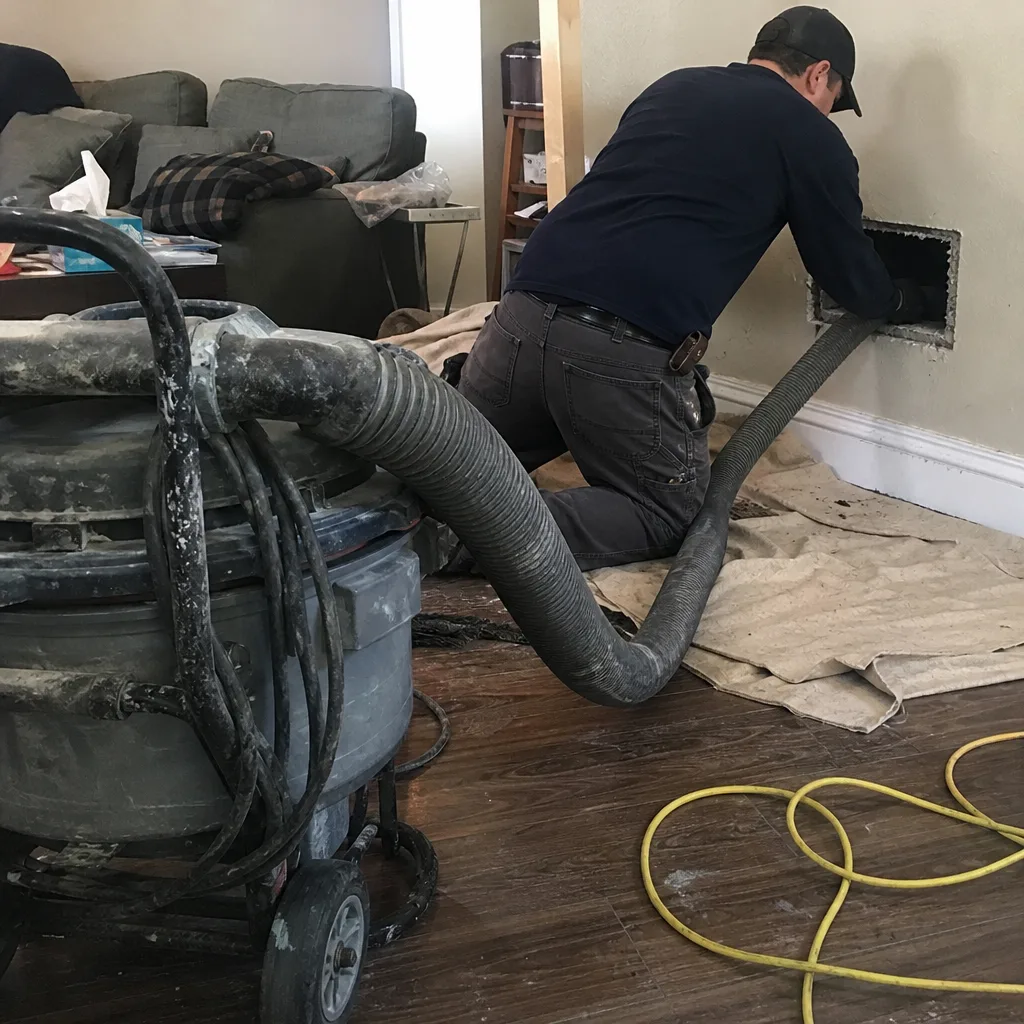 Before
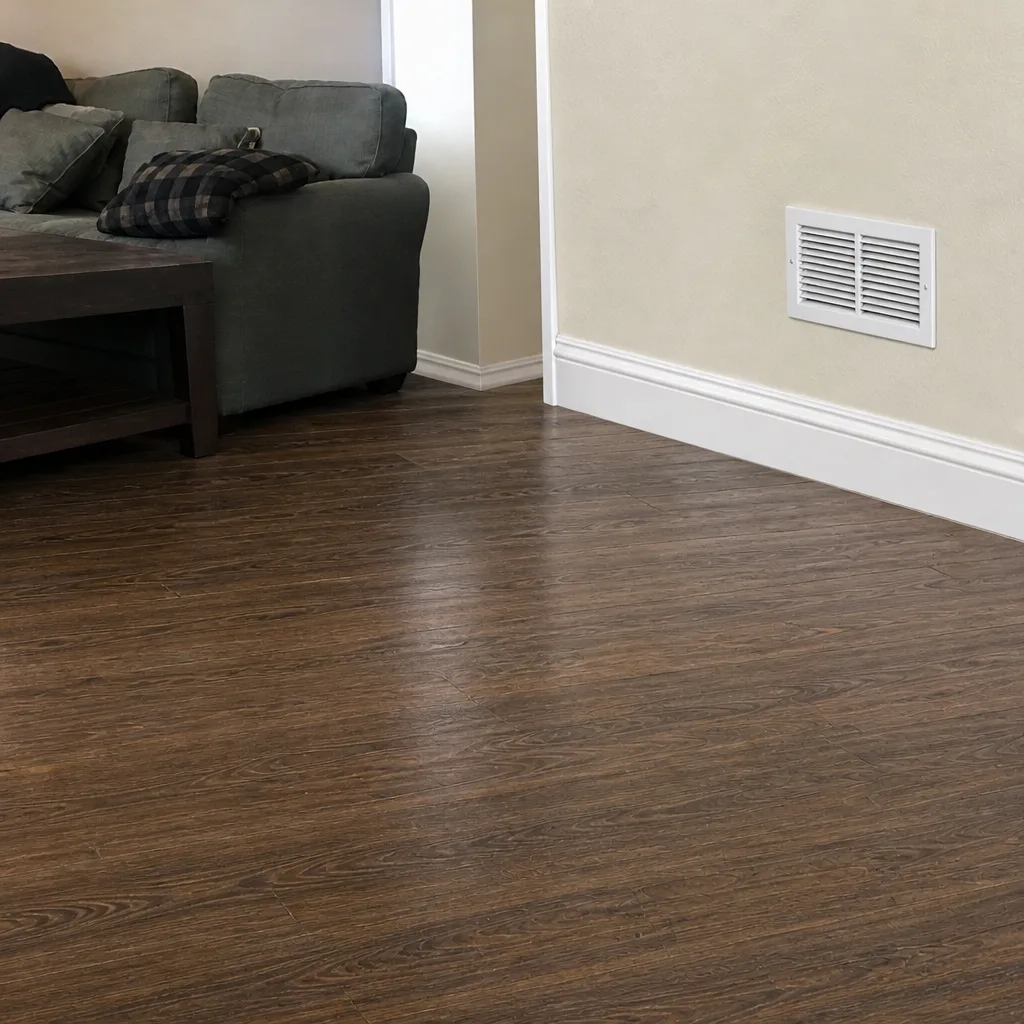 After
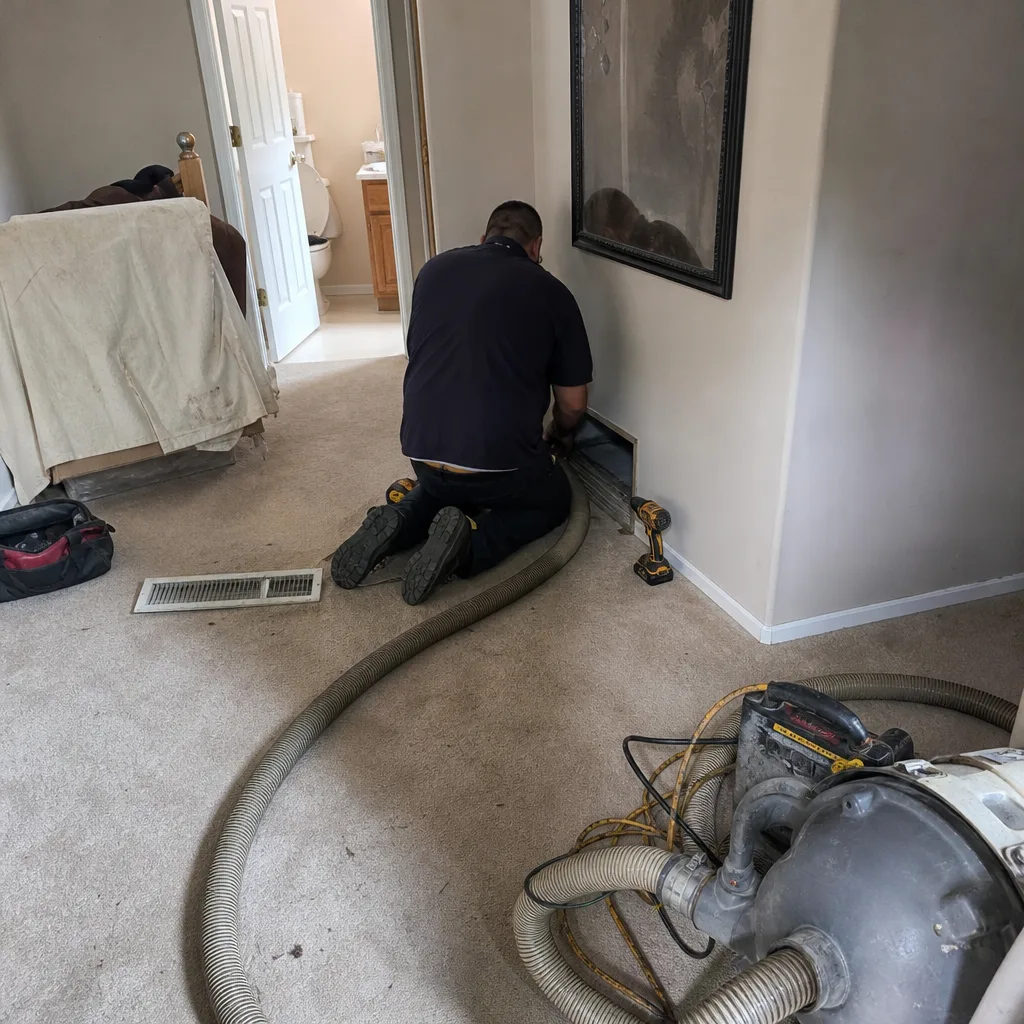 Before
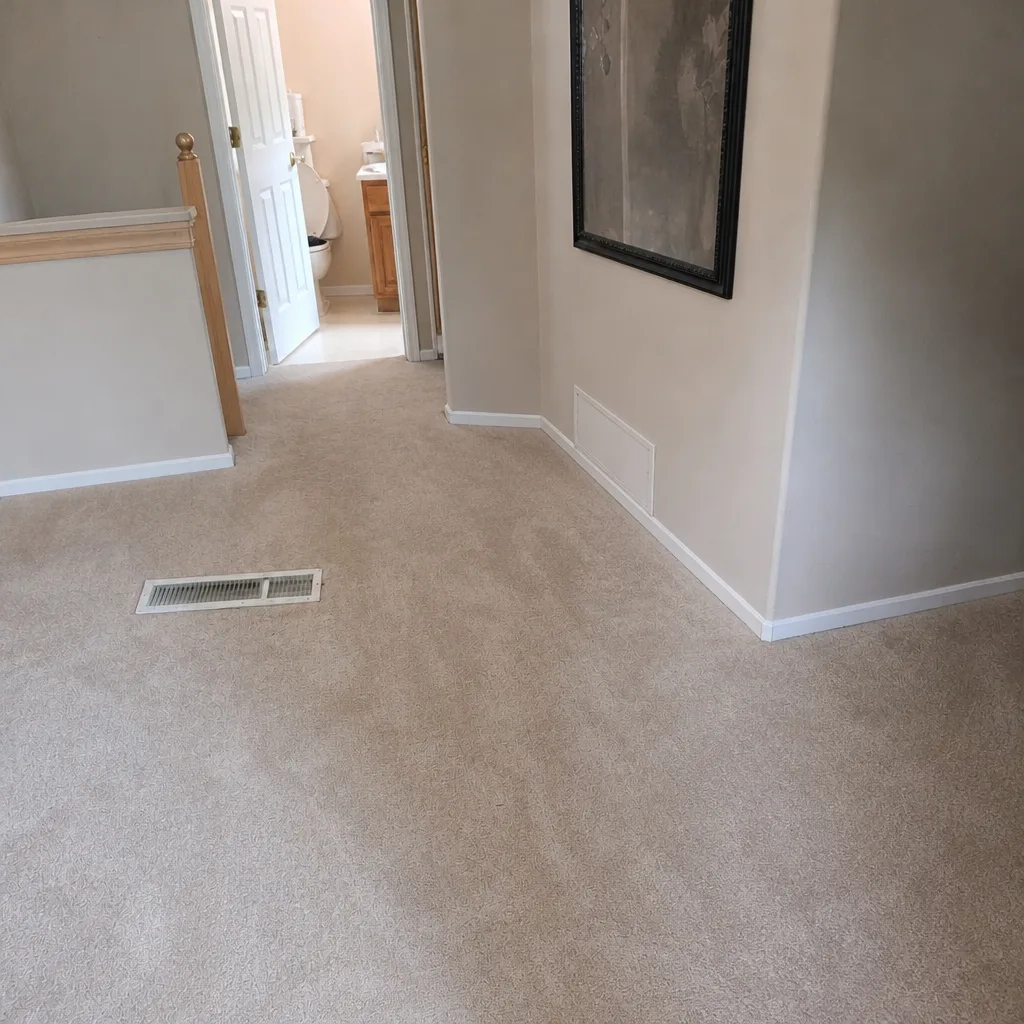 After
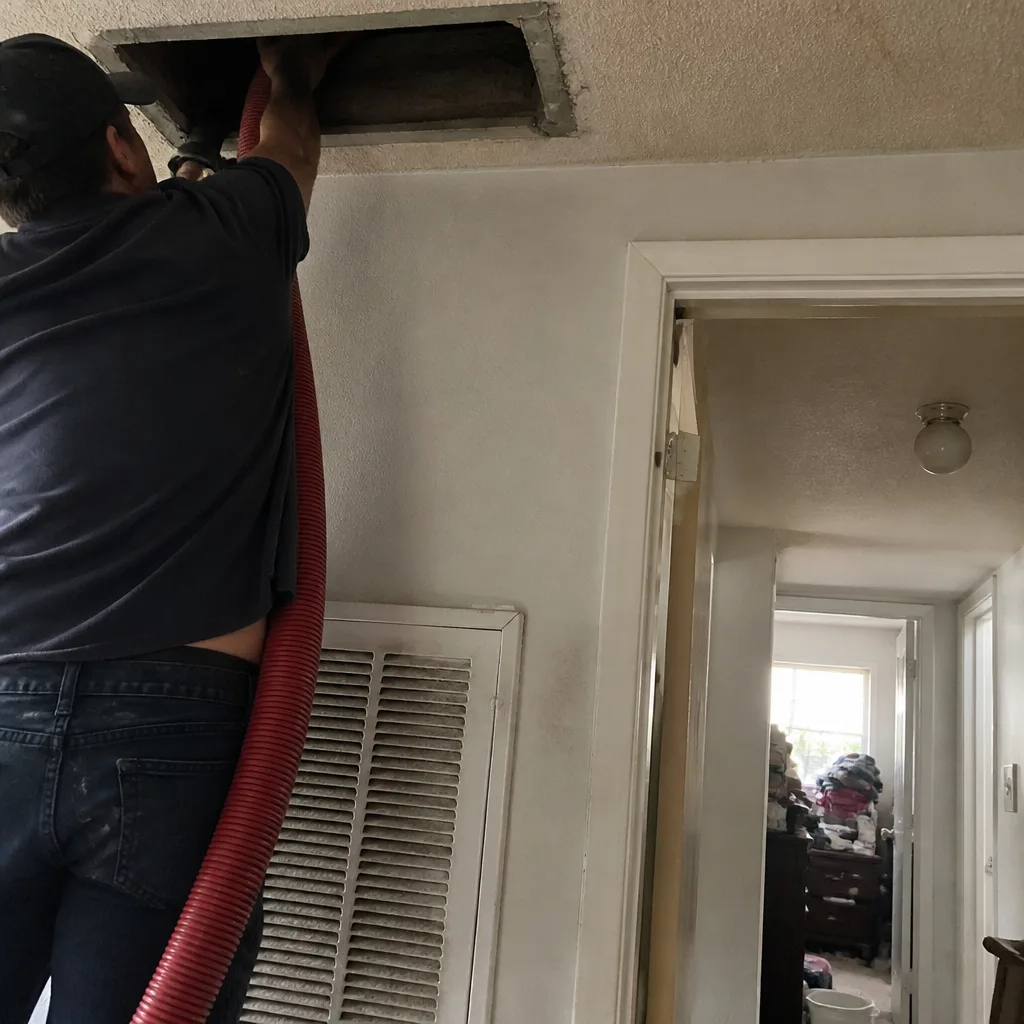 Before
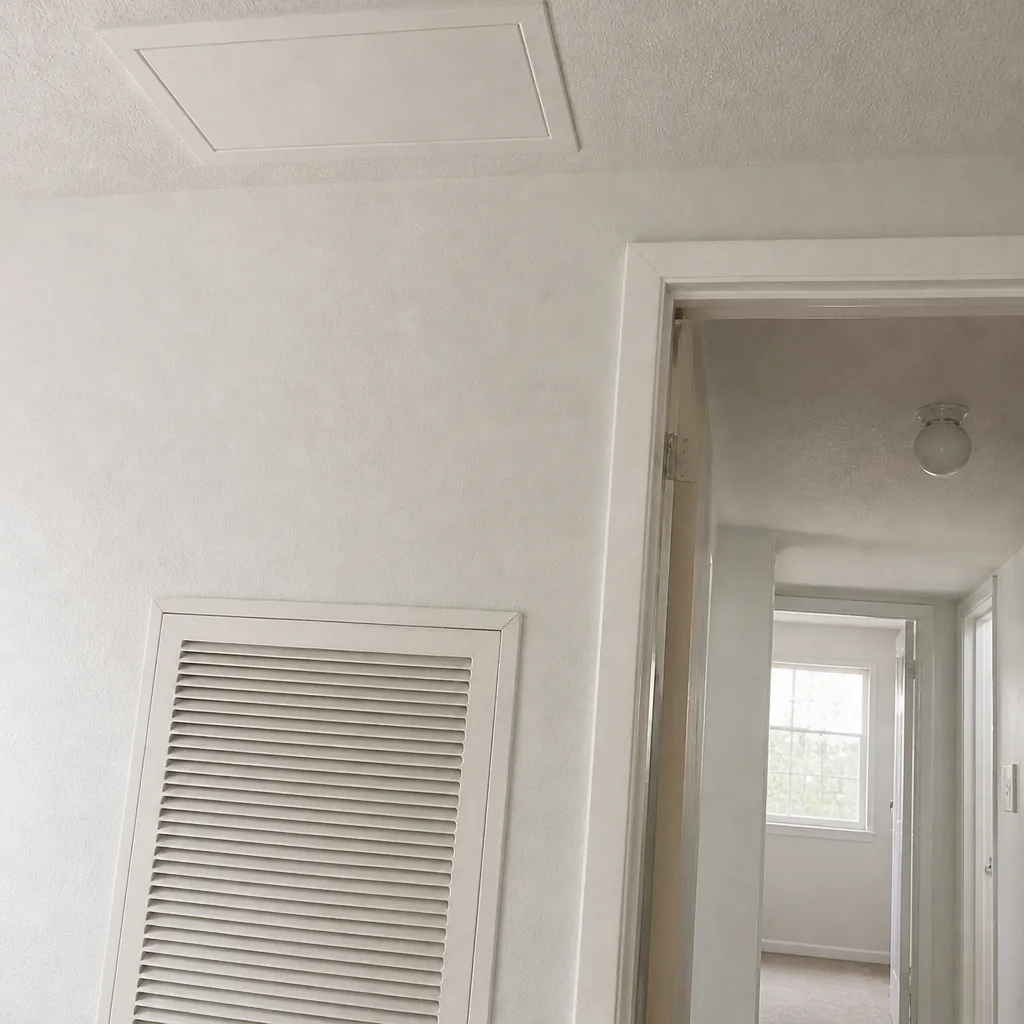 After
When to Call a Professional
Some signals don’t need a wait-and-see. If you’re seeing visible dust blowing out of supply registers just after the system kicks on, that’s a system that has already loaded past what a filter can catch. If a family member with allergies or asthma starts reacting more inside the house than outside, the ducts are worth inspecting. If you’ve just closed on an older Centennial home and don’t know the service history, a camera inspection is the right first move. If a renovation pushed drywall dust into the returns, if the dryer takes two cycles to dry a load, or if there’s musty odor at a register, the checklist has started checking itself. Centennial Air Duct Cleaning Pros offers free estimates in Centennial, and we can walk through what’s in your system on camera before any work begins. Call (877) 820-8053. We answer 24/7. Fast dispatch from 7am to 7pm, Sunday through Friday.
Frequently Asked Questions
Most residential jobs in Centennial fall in a typical range based on the number of runs, the duct material, and how much debris has built up, and the written estimate sets the final price before any work starts. There’s no per-vent pricing and no coupon teaser that grows once the crew is on site. Call (877) 820-8053 for an exact quote; estimates are free.
Cheap quotes usually skip the mechanical agitation step, run a vacuum at the registers, and call it done. A blow-out moves dust around; it doesn’t remove what’s stuck to the duct walls. The lower price reflects less equipment and less time, not a better deal. Call (877) 820-8053 and we’ll explain what a real clean includes.
Before-and-after camera footage of your own ducts is the only reliable proof. On a completed job, you should see the footage, a written summary of which runs were cleaned and how, and confirmation that any access holes were sealed. If a crew can’t produce it, the cleaning is unverified. Call (877) 820-8053 to see how the inspection works.
For a typical Centennial home, most duct systems are worth inspecting every few years, and homes with pets, allergy sufferers, recent renovation, or a new construction move-in benefit from an inspection sooner. The right answer depends on what the camera finds, not on a fixed calendar. Call (877) 820-8053 and we’ll give you a straight answer after the inspection.
Yes, somewhat. The dry, high-altitude air along the Front Range keeps fine particulate airborne longer, and the sharp seasonal swings between heating and cooling stir up what’s settled. Ducts here load up faster than in lower-elevation cities, which is why an inspection in Centennial tends to be worthwhile sooner. Call (877) 820-8053 with your home’s details and we’ll talk through timing.
Yes. Dryer vent cleaning is a named service, and we can run it alongside a duct cleaning so the whole system gets addressed in one visit. Dryer vent cleaning is a fire-safety job, not just an efficiency one. Call (877) 820-8053 to schedule both together.
The Bottom Line
A complete duct cleaning in Centennial is a sequence, not a suction event. Inspection, containment, mechanical agitation, extraction, and sealing each do a specific job, and pulling any one of them leaves the work unfinished. The equipment matters, the documentation matters, and the willingness to show you footage of your own ducts is the clearest signal that the crew is serious. Everything else, including the price and the coupon, is downstream of those facts. If you want to know what your system actually looks like before you spend money on it, call us. The estimate is free and the camera doesn’t lie.
Call Centennial Air Duct Cleaning Pros at (877) 820-8053 for a free estimate on air duct cleaning in Centennial. We answer 24/7, with fast dispatch from 7am to 7pm, Sunday through Friday. Whether you’re in a newer build dealing with construction dust or in an older Centennial home that has never had a professional inspection, we’ll walk you through what the camera finds and what a complete clean includes before any work begins.
Written by the team at Centennial Air Duct Cleaning Pros.